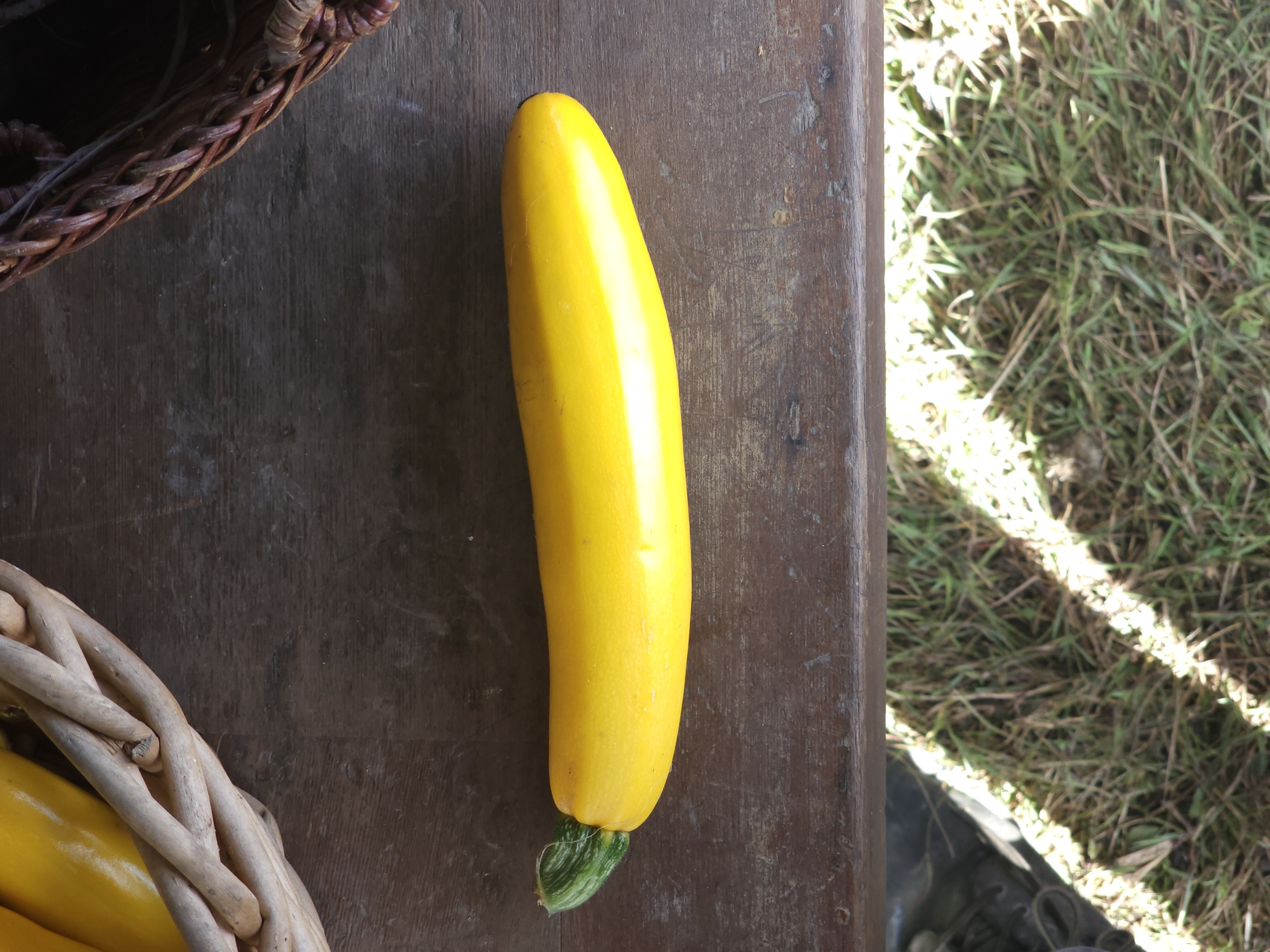
You’ve probably seen them sitting there. Those bright, waxy, yellow batons at the farmers market or tucked into the corner of the produce aisle near the zucchini. Honestly, most people just treat yellow summer squash as a filler vegetable—something to bulk up a stir-fry or add a splash of color to a backyard grill session. But here’s the thing: yellow summer squash nutrition is actually kind of a powerhouse, even if it doesn’t get the same "superfood" PR as kale or blueberries.
It’s mostly water. Like, 95% water. That’s why it shrinks to almost nothing when you sauté it for too long. But within that remaining 5% is a surprisingly dense profile of vitamins and antioxidants that actually do something for your body.
We’re talking about Cucurbita pepo. That’s the scientific name for most summer squashes, including the straight-neck and crookneck varieties you’re used to seeing. Unlike winter squashes (think butternut or acorn), which sit in the field until their skins turn into armor, summer squash is harvested while it's still immature. The skin is thin. The seeds are soft. You eat the whole thing. And because you eat the skin, you’re getting a lot more than just flavored water.
Why Yellow Summer Squash Nutrition Is More Than Just Water
If you look at the raw data from the USDA FoodData Central, one cup of sliced yellow squash (about 113 grams) has roughly 18 to 20 calories. That is practically negligible. But don't let the low calorie count fool you into thinking it's "empty" food.
It’s loaded with Vitamin C. One cup gives you about 19mg, which is roughly 20-25% of your daily value depending on your age and gender. Vitamin C isn't just for avoiding scurvy; it’s a major player in collagen synthesis. If you want your skin to actually hold its shape as you age, you need Vitamin C. It also acts as an antioxidant, mopping up free radicals that cause oxidative stress.
Then there’s the Vitamin B6. It’s got about 0.12mg per cup. It doesn't sound like much, right? But B6 is critical for brain development and keeping your nervous and immune systems healthy. Most people don't get enough B6 from plant sources, so having a vegetable that provides a decent hit is a win.
The Manganese Factor
Nobody talks about manganese. It’s the "forgotten" mineral. Yellow summer squash is an excellent source of it. Manganese helps your body form connective tissue, bones, and even blood-clotting factors. It also plays a role in fat and carbohydrate metabolism. Basically, if your metabolism is feeling sluggish, manganese is one of those tiny gears in the machine that needs to be turning.
Lutein and Zeaxanthin: The Eye Health Heroes
This is where yellow summer squash really shines. Literally. The yellow pigment in the skin isn't just for show. It comes from carotenoids, specifically lutein and zeaxanthin.
These are the same compounds found in marigold flowers and egg yolks. According to the American Optometric Association, these two carotenoids filter harmful high-energy blue wavelengths of light and help protect and maintain healthy cells in the eyes. They’re basically internal sunglasses.
Most people think they need to chug carrot juice for their eyes. Carrots have beta-carotene, which is great for night vision, but lutein and zeaxanthin are what you want to prevent age-related macular degeneration (AMD) and cataracts. Since yellow squash is one of the few vegetables kids will actually eat without a fight, it's a great way to start building that ocular defense early.
The Fiber Myth and Reality
People always say "vegetables are high in fiber."
Well, yellow squash is... okay at it. You’re getting about 1.2 grams of fiber per cup. It’s not a fiber bomb like lentils or chia seeds. However, the type of fiber it does have is mostly soluble fiber, particularly pectin.
Pectin is a polysaccharide that helps regulate blood sugar levels. It slows down the absorption of glucose in your gut, which prevents those nasty insulin spikes after you eat. If you’re managing Type 2 diabetes or just trying to avoid a mid-afternoon energy crash, adding squash to your lunch is a smart move. It provides bulk and hydration without the sugar load.
Potassium and Heart Health
Let's talk about blood pressure. Most Americans eat way too much sodium and not nearly enough potassium. This imbalance is a primary driver of hypertension.
Yellow squash offers about 210mg of potassium per cup. It’s not a banana, but it’s a very solid contribution. Potassium acts as a vasodilator. It relaxes the walls of your blood vessels, which lowers blood pressure and reduces the strain on your heart.
The American Heart Association frequently highlights that foods rich in potassium are essential for managing blood pressure because potassium lessens the effects of salt. The more potassium you eat, the more sodium you lose through urine. It’s a natural balancing act.
Is the Skin Necessary?
Yes. 100%. Stop peeling your squash.
Almost all the fiber and the vast majority of the antioxidants, including that lutein we talked about, are concentrated in the skin. If you peel it, you’re essentially eating a vitamin-fortified water balloon. The skin is tender enough that it doesn't need to be removed. Just give it a good scrub to get rid of any dirt or residual wax.
If you’re worried about pesticides, yellow squash is generally not on the "Dirty Dozen" list, but it’s still worth buying organic if you can, or at least washing it thoroughly with a vinegar-water soak.
How Heat Changes Everything
Nutrition isn't just about what's in the raw vegetable. It's about what survives the kitchen.
Yellow squash is delicate. If you boil it until it’s mush, you’re leaching out all those water-soluble vitamins (Vitamin C and the B vitamins) into the water. Unless you’re drinking the "squash tea" left in the pot, those nutrients are going down the drain.
Steaming is better. Roasting is great for flavor but can degrade Vitamin C if the temperature is too high for too long. My favorite way? Sautéing it quickly over medium-high heat with a little olive oil. The fat in the oil actually helps your body absorb the fat-soluble carotenoids (lutein and zeaxanthin). Without a little bit of fat, those eye-healthy nutrients just pass right through you.
Magnesium and Folate
We shouldn't skip over the folate. A cup of yellow squash has about 20 micrograms of folate. It’s vital for DNA synthesis and repair. It’s especially important for pregnant women, but honestly, everyone needs it for cellular health.
Then there’s magnesium. About 19mg per cup. Magnesium is involved in over 300 biochemical reactions in the human body. It helps with muscle function, heart rhythm, and even sleep quality. If you’re feeling twitchy or stressed, you might be low on magnesium. A big bowl of roasted yellow squash isn't a medical cure, but it’s a step in the right direction.
Common Misconceptions About Summer Squash
"It’s just the same as zucchini." Not quite. While they are very similar, yellow squash usually has a slightly sweeter, nuttier profile than zucchini. Nutritionally, yellow squash often has slightly higher levels of Vitamin C and Vitamin A (in the form of beta-carotene) because of that pigmented skin.
"Large squashes are better." Actually, the opposite is true. Those giant, baseball-bat-sized squashes you find at the end of summer? They’re tough, seedy, and actually less nutrient-dense per gram because they’ve become so overgrown with water. The small to medium ones—about 6 to 8 inches long—are the sweet spot for both flavor and nutrition.
"You can't eat it raw." You totally can. Shaved thin with a peeler, tossed with some lemon juice, mint, and feta? It’s incredible. Raw squash preserves all the Vitamin C that would otherwise be lost to heat.
Real-World Impact: Weight Management
If you're trying to lose weight, yellow summer squash is your best friend. Because of the high water and fiber content, it provides "volumization." You can eat a massive portion of it, feel physically full, and have only consumed 50 calories.
A study published in The American Journal of Clinical Nutrition found that people who ate more high-volume, low-energy-density foods (like squash) felt more satisfied and lost more weight over time than those who just tried to eat smaller portions of high-calorie foods. It’s about tricking your stretch receptors in your stomach without overloading your system with glucose.
Surprising Facts About Squash Seeds
Most people ignore the seeds in summer squash because they’re so small and soft. But they contain small amounts of omega-3 fatty acids. While you’d need to eat a mountain of squash to get your daily requirement, every little bit helps in the fight against systemic inflammation.
The seeds also contain cucurbitacin, a compound that some studies suggest may have anti-inflammatory and even anti-cancer properties, though research is still ongoing in humans.
Practical Ways to Use Yellow Squash
Don't just steam it into oblivion.
- Grill it: Slice it into thick planks, brush with avocado oil (which has a high smoke point), and grill for 3 minutes per side.
- Zoodles: Everyone does it with zucchini, but yellow squash "noodles" are often sweeter and less watery if you salt them and let them sit for 10 minutes before cooking.
- Breakfast: Grate it into your morning oats. It sounds weird, but it adds volume and moisture without changing the taste much. It’s basically "proats" (protein oats) but with veggies.
- Baking: You can use grated yellow squash in muffins or bread just like you would use zucchini. It keeps the bread moist and adds a hidden hit of Vitamin C.
Final Summary of Nutrients
To keep things clear, here is the basic breakdown of what you're getting in a standard 1-cup serving of cooked yellow squash:
- Calories: 20
- Protein: 1 gram
- Fat: 0.2 grams
- Carbohydrates: 4 grams
- Fiber: 1.2 grams
- Vitamin C: ~20% DV
- Vitamin B6: ~10% DV
- Manganese: ~15% DV
- Potassium: ~5% DV
- Magnesium: ~5% DV
Actionable Steps for Better Health
To maximize the benefits of yellow summer squash nutrition, follow these specific habits:
- Pick the small ones. Look for squash that is heavy for its size and has a bright, vibrant color. Avoid the ones with soft spots or wrinkled skin, as that indicates they've lost their moisture and nutrient density.
- Leave the skin on. Wash it, don't peel it. You need those carotenoids for your eyes.
- Add a healthy fat. Always eat your squash with a little bit of olive oil, grass-fed butter, or avocado. This is non-negotiable if you want to absorb the lutein and zeaxanthin.
- Quick cook methods. Use high heat for a short duration. Sautéing or air-frying at 400°F (200°C) for 8-10 minutes preserves more vitamins than slow-boiling or baking for an hour.
- Eat the blossoms. If you grow your own, squash blossoms are edible and packed with extra antioxidants. Stuff them with a little goat cheese and bake them for a nutrient-dense appetizer.
Yellow summer squash might seem humble, but it’s a strategic addition to any diet. It’s cheap, versatile, and does heavy lifting for your heart, eyes, and metabolism. Next time you're at the store, grab three or four. Your body will thank you for the hydration and the manganese.