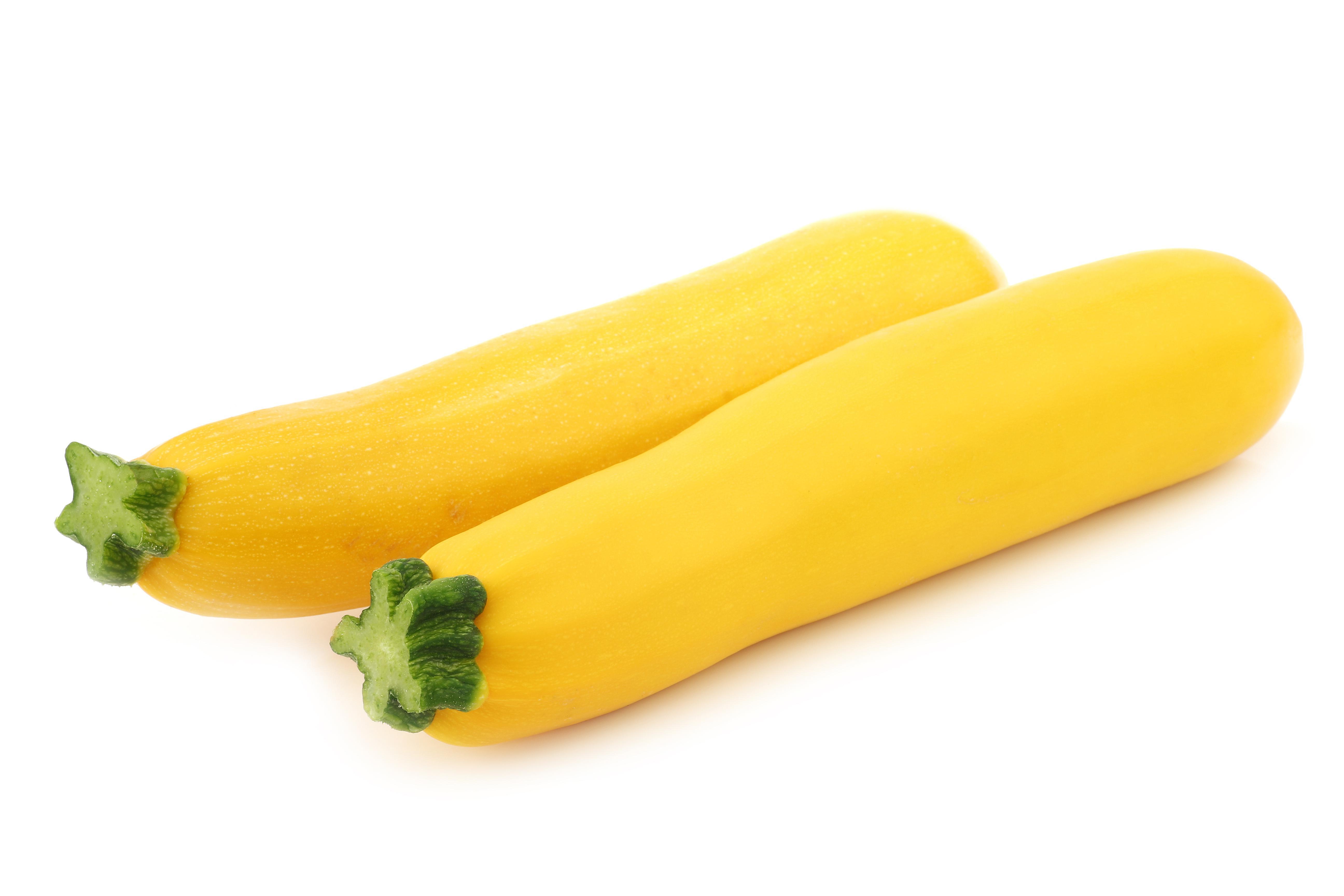
You’re at the farmers market. It’s July. The heat is thick, and there’s a literal mountain of bright, waxy yellow vegetables staring you down. Most people just grab a handful of whatever looks shiny and head for the register. But honestly? Not all different kinds of yellow squash are created equal. Some are watery and bland. Others have this rich, nutty profile that makes you wonder why you ever bothered with the grocery store stuff.
It’s a summer staple. But it's also a trap if you don't know what you're looking at.
Most gardeners and home cooks stick to the "Straightneck" or the "Crookneck." That’s fine. It’s classic. But if that's where your journey ends, you’re missing out on things like the Zephyr or the weirdly adorable Pattypan. We’re talking about a plant family (Cucurbita pepo) that has been domesticated for thousands of years. It’s diverse. It’s resilient. And if you’re still just steaming it until it turns into mush, we need to talk.
The Straightneck vs. Crookneck Rivalry
Let’s start with the basics. The Yellow Straightneck is basically the "Golden Retriever" of the squash world. It’s reliable. It’s uniform. It’s exactly what you see in every supermarket from Maine to California. It’s got a smooth, thin skin and a creamy white flesh. Because it’s so uniform, it’s the easiest to slice for those Pinterest-worthy ratatouille rounds.
Then there’s the Yellow Crookneck.
This one is different. It’s got character. You’ll notice the "swan neck" that bends at the top, and the skin is usually covered in these little bumps or warts. Some people find the texture off-putting, but let me tell you a secret: the flavor is often way more intense than the Straightneck. It’s got a bigger seed cavity, though, which means if you let it get too big, it turns into a woody mess pretty fast. You’ve gotta pick these small. If they get much longer than six inches, you’re basically eating a decorative gourd.
Why the Zephyr Squash is Actually Superior
If you want to look like a pro at your next dinner party, look for Zephyr. You can’t miss it. It’s a hybrid—a cross between a Yellow Crookneck, a Delicata, and an Acorn squash. It’s two-toned. The top two-thirds are a pale yellow, while the bottom looks like it was dipped in lime-green paint.
It’s beautiful.
But it isn't just about looks. The Zephyr has a firmer texture than your standard summer squash. It doesn't give up its water the second it hits a hot pan. According to breeders at Johnny's Selected Seeds, who popularized the variety, it was bred specifically for that nutty flavor and high yields. If you’re sautéing, this is the one. It holds its shape. It browns beautifully. Honestly, it’s the variety that makes people who "hate squash" change their minds.
The Strange World of Pattypans and Sunbursts
Sometimes you don’t want a cylinder. Enter the Pattypan.
Depending on where you live, you might hear these called scallop squash or even "flying saucer squash." They’re flat, round, and have scalloped edges. While they come in green and white, the bright yellow "Sunburst" variety is the star of the show.
Cooking these is a totally different ballgame. Because they’re denser and less watery than a Straightneck, they can handle higher heat. You can halve them and roast them, or even stuff them like little edible bowls. Just be careful with the timing. A tiny Pattypan the size of a golf ball is a delicacy—tender, sweet, and buttery. A Pattypan the size of a dinner plate is basically a frisbee made of fiber. Don't do that to yourself.
Squash Blossoms: The Gift You’re Throwing Away
We spend so much time talking about the fruit that we forget the plant is literally trying to give us free appetizers.
If you’re growing these at home, you have access to squash blossoms. These are the large, orange-yellow flowers that precede the vegetable. Most people don't realize that squash plants produce both male and female flowers. The male flowers grow on a thin stalk and don't produce fruit. You can pick them, stuff them with ricotta, dip them in a light tempura batter, and fry them. It is quite possibly the best thing about summer.
Just don't pick all the flowers. You still need some males for pollination, or you’ll end up with a garden full of nothing but leaves.
The Science of Why Your Squash Gets Bitter
Ever bitten into a yellow squash and felt like you just licked a piece of aspirin? It’s gross. It’s also a biological defense mechanism.
Squash plants produce a group of chemicals called cucurbitacins. Usually, in domesticated varieties, these levels are so low you can’t taste them. But stress—like extreme heat, lack of water, or even a pest infestation—can cause the plant to crank up the bitterness. There's also something called "Toxic Squash Syndrome," though it's incredibly rare. It usually happens when people save seeds from "wild" or cross-pollinated squash that have reverted to their bitter roots.
Basically, if it tastes extremely bitter, spit it out. Don't try to power through it with ranch dressing. Your stomach will thank you.
Real-World Selection: How Not to Buy Trash
When you're looking for different kinds of yellow squash at the store, stop looking for the biggest one. I know, we’re conditioned to want "more" for our money. But with summer squash, bigger is almost always worse.
- Weight matters: It should feel heavy for its size. If it feels light or "hollow," it’s probably old and drying out.
- The Skin Test: Use your thumbnail to very gently nick the skin near the stem. If it doesn't pierce easily, the skin is too thick and the squash is overripe.
- The Stem: Look for a moist, green stem. A shriveled, brown stem means it’s been sitting in a crate for a week.
A Note on Nutrition and Storage
Is yellow squash a superfood? Maybe not in the way kale is marketed, but it’s pretty solid. You’re getting a good dose of Vitamin C, B6, and manganese. Most of that is in the skin, so for the love of everything, stop peeling your squash.
As for storage, keep them dry. Moisture is the enemy. Wrap them in a paper towel and put them in a perforated plastic bag in the crisper drawer. They’ll last about a week. But really, the best way to eat yellow squash is within 48 hours of it being picked. That's when the sugars are highest and the texture is at its peak.
Culinary Misconceptions: Stop Boiling It!
The biggest crime committed against the yellow squash is boiling. Why do we do this? It turns into a translucent, slimy mess that slides off your fork.
Try dry-heat methods. High-heat roasting at 425°F (218°C) caramelizes the natural sugars. Grilling is even better. Slice them thick, coat them in olive oil and salt, and get those char marks. The smokiness plays off the sweetness in a way that’s honestly addictive.
If you really want to get wild, try them raw. Shave a young Yellow Straightneck into thin ribbons using a peeler. Toss it with lemon juice, high-quality olive oil, some shaved parmesan, and mint. It’s crunchy, refreshing, and completely different from the mushy side dish most of us grew up with.
How to Actually Succeed in Growing Them
If you decide to grow your own, you need to be prepared for the Squash Vine Borer. It is the villain of the garden world. One day your plant looks beautiful; the next, it’s wilted and dying because a clear-winged moth laid eggs at the base of the stem, and the larvae are eating the plant from the inside out.
Expert gardeners like those at the University of Minnesota Extension recommend physical barriers. Wrap the base of your squash stems in aluminum foil. It sounds crazy, but it works. It stops the borers from getting in. Also, plant your squash in "hills"—small mounds of soil—to improve drainage. Squash plants are heavy drinkers, but they hate having "wet feet."
Actionable Next Steps for Your Kitchen
Ready to move beyond the basic sauté? Here is exactly what you should do next time you have a haul of yellow squash.
- Seek out a specialty variety. Check a local farmers market specifically for Zephyr or Sunburst Pattypans. Ask the farmer when they were picked.
- The "High-Heat" Test. Slice your squash into half-moons. Get a cast-iron skillet ripping hot with a high-smoke-point oil (like avocado oil). Sear them fast. Don't crowd the pan. You want brown edges, not steamed squash.
- Use the blossoms. If you find a vendor selling just the flowers, buy them. They are a seasonal delicacy that only lasts a few weeks.
- Preserve the surplus. If you have too many, don't let them rot. Shred them, squeeze out every drop of water using a kitchen towel, and freeze the "pulp" in bags. It’s perfect for adding moisture to muffins or cakes in the winter.
- Check for "heavy" fruit. Next time you're at the store, weigh two identical-looking squashes in your hands. Buy the heavier one. It’s a game-changer for texture.
Yellow squash doesn't have to be the boring side dish you ignore at the BBQ. Whether it’s the weird, warty Crookneck or the elegant, two-toned Zephyr, there is a world of flavor hidden in that yellow skin. You just have to know which ones to pick and, more importantly, when to stop cooking them.