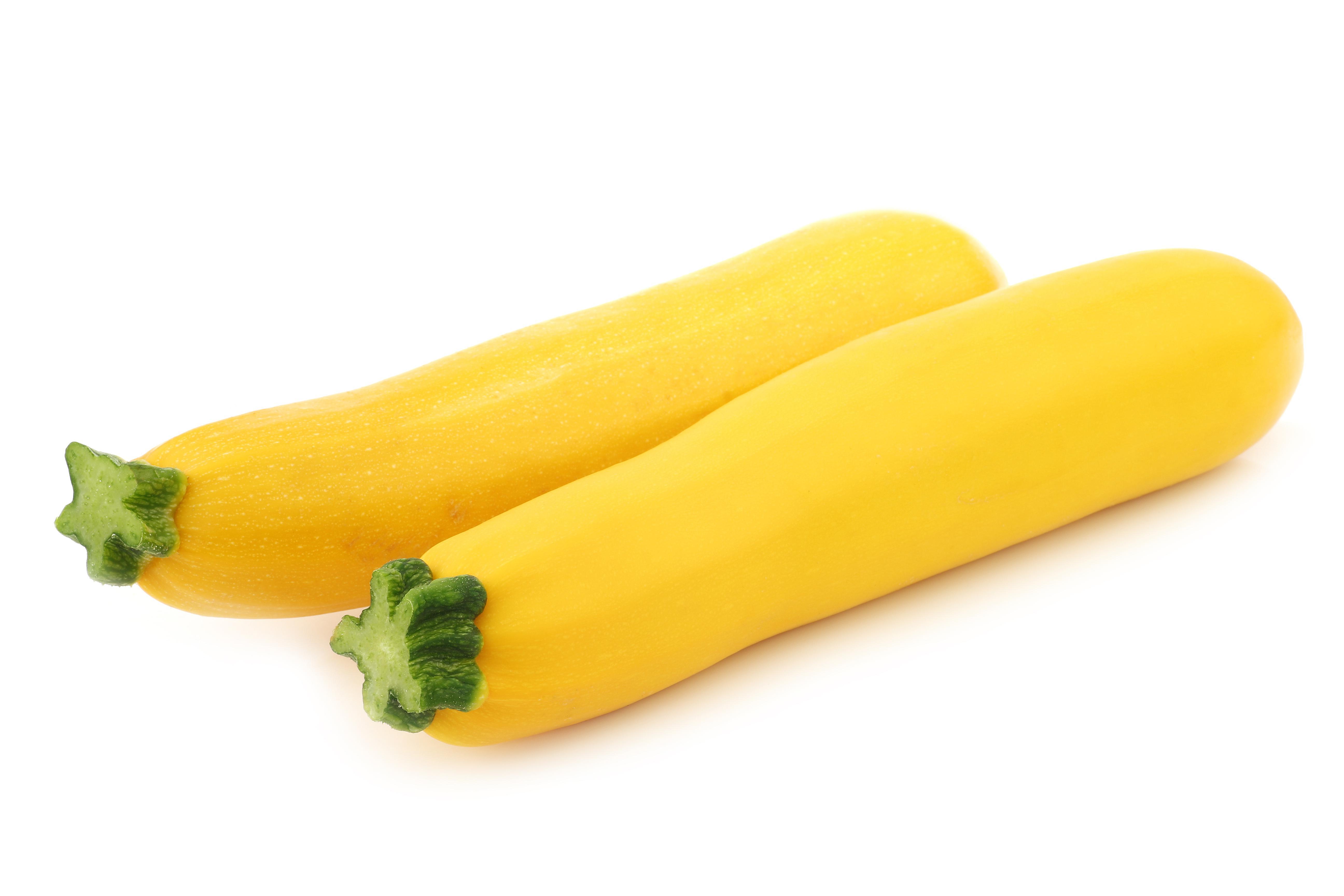
You’re standing in the produce aisle, staring at a pile of bright, sunny vegetables. They look great, right? But then you get them home, slice into one, and it’s basically a pithy, seedy mess. We’ve all been there. It’s frustrating. Looking at pics of yellow squash online can actually teach you a lot more than just how to style a summer salad for Instagram; it’s about learning the visual cues of a vegetable at its peak. Honestly, most people just grab the biggest one they see, thinking they’re getting more for their money. That is a huge mistake.
Big squash are usually woody. They're tough.
When you scroll through high-quality photography of summer squash, you’ll notice a distinct difference between the prize-winning giants at a state fair and the tender "crooknecks" or "straightnecks" used by professional chefs. The best ones have a specific sheen. It’s not quite shiny like a waxed apple, but it’s definitely not dull or dusty-looking. If you’re looking at pics of yellow squash to figure out what to cook tonight, you want to see skins that look thin enough to puncture with a fingernail.
The Visual Anatomy of a Perfect Yellow Squash
Let’s get into the weeds here. Or the vines, I guess.
Yellow squash comes in two main varieties: the straightneck and the crookneck. The straightneck is exactly what it sounds like—uniform and easy to slice into perfect rounds. The crookneck has that iconic tapered, curved top and usually features a slightly more "warty" or textured skin. Many heirloom pics of yellow squash show these bumps prominently. Don't be scared of them. In many varieties, like the Early Golden Summer Crookneck, those bumps are a sign of character and traditional genetics, not a sign that the vegetable has gone bad.
Look at the stem. That’s the "tell" for freshness.
In a fresh photo, that stem should look green and slightly moist at the point where it was cut from the vine. If the stem in the picture is shriveled, black, or looks like a piece of driftwood, that squash is old. It’s been sitting in a cold storage unit for weeks. The skin should also be a vibrant, buttery yellow. If you see green tinges at the ends, it might be a hybrid or just slightly underripe, which actually isn't a bad thing if you want it to hold its shape during a long grill session.
Why Size Matters (and Why Smaller is Better)
If you see a picture of a yellow squash the size of a baseball bat, it’s a prop. Or it’s meant for compost.
Ideally, you want squash that are between five and seven inches long. Why? Because the seeds haven't fully developed yet. When you look at cross-section pics of yellow squash, the internal flesh should be creamy white and the seeds should be almost invisible. Once they get huge, the seeds turn hard and bitter. It’s basically like eating a mouthful of wet cardboard.
What to Look for in Real-World Photos
There’s a big difference between a "stock photo" and a real photo from a farmer’s market. Stock photos are often sprayed with glycerin to make them look dewy. Real life is messier.
- Skin Integrity: Look for nicks and scratches. Because the skin is so thin, yellow squash bruises if you even look at it wrong. Small brown scuffs are fine—they’re just "field scars" from leaves rubbing against the fruit in the wind.
- Soft Spots: You can’t always see these in pics of yellow squash, but you can see the results. A slight indentation or a darkening of the yellow into a muddy orange usually indicates a soft spot where the cell walls are breaking down.
- The Taper: On a crookneck, the "neck" should be firm. If it looks shrunken or wrinkled in the photo, the squash is dehydrated.
Most people don't realize that yellow squash is actually a "pepo"—a category that includes pumpkins and cucumbers. But unlike a pumpkin, we eat this when it’s immature. That’s the secret. You’re essentially eating a "baby" vegetable.
Misconceptions About Those "Warts"
I hear this all the time: "I saw a picture of a squash with bumps, is it diseased?"
Probably not. While some viruses can cause weird growths, most of the time, bumps on yellow summer squash are just genetic. According to Texas A&M AgriLife Extension, the "warty" appearance is a classic trait of many crookneck varieties. It’s a texture thing. Some people love it because it holds onto butter and herbs better when roasted. If the bumps are the same color as the rest of the skin, you’re golden. If the bumps are a weird, oozing green or black? Yeah, throw that away.
The Best Ways to Use Your Visual Finds
So you’ve found the perfect specimen. You’ve looked at the pics of yellow squash and found one that matches the "ideal" look. Now what?
You’ve got to cook it fast. Summer squash has a high water content. Like, 95% water. If you leave it in the crisper drawer for a week, it’ll turn into a puddle.
Quick Sauté: Slice it thin. High heat. A little olive oil. Don't crowd the pan or it’ll steam instead of sear. Raw: Honestly, young yellow squash is amazing shaved into ribbons with a peeler. Add lemon, parmesan, and some toasted pine nuts. It’s crunchy and sweet. Grilling: This is where those slightly larger (but not giant) ones come in handy. Slice them lengthwise so they don't fall through the grates.
Identifying Pests Through Photos
If you’re a gardener and you’re looking at pics of yellow squash to diagnose a problem, pay attention to the leaves, not just the fruit. If you see tiny orange eggs or a "sawdust" like substance at the base of the stem, you’ve got squash vine borers. It’s the worst. They eat the plant from the inside out.
And then there are squash bugs. They look like gray stink bugs. If your squash looks "deflated" in a photo or has small yellow spots on the skin, these guys are likely sucking the sap out of your plants.
Taking Your Own High-Quality Squash Pics
Maybe you’re the one taking the photos. If you want to make your garden harvest look professional, lighting is everything.
- Golden Hour: Take your pics of yellow squash in the late afternoon. The warm light makes the yellow pop without blowing out the highlights.
- Contrast: Put the yellow squash against a dark blue or deep green background. Since yellow and purple/blue are opposites on the color wheel, it’ll make the vegetable look vibrant and "punchy."
- Macro: Get close. Show the tiny fuzz on the stem. Show the texture of the skin.
Nutritional Reality Check
It’s not just a pretty face. Yellow squash is loaded with Vitamin C and B6. It’s also a decent source of manganese. When you see those deep, vibrant yellow pics of yellow squash, you’re seeing a vegetable rich in lutein and zeaxanthin. These are carotenoids that are great for your eyes. Essentially, the brighter the yellow, the better the nutrient profile (within reason—don't eat a neon-painted one).
I’ve spent years working with produce, and the biggest takeaway is that nature isn't perfect. A photo of a "perfect" squash is often less delicious than a photo of a slightly quirky, farm-grown one. The farm-grown ones haven't been bred solely for "shipability." They’ve been bred for flavor.
Key Actionable Steps for Your Next Market Trip
- Ignore the giants: Stick to squash that are roughly the size of a standard flashlight.
- Check the "Heft": A good squash should feel heavy for its size. If it feels light or "hollow," the water content has dropped, and it'll be stringy.
- The Fingernail Test: If the vendor allows, gently press a fingernail into the skin near the stem. If it doesn't easily pierce, the skin is too tough.
- Look for "Bloom": Sometimes fresh squash has a very fine, white powdery dust on it (not mold, just natural wax). This is a sign it was picked very recently.
- Storage: Once you get those photogenic veggies home, do not wash them until you're ready to eat. Moisture is the enemy of shelf life. Store them in a perforated plastic bag in the fridge for no more than 4 or 5 days.
When you're browsing pics of yellow squash, use them as a blueprint. Look for the green stems, the vibrant skins, and the modest sizes. Your stir-fry will thank you.
Next Steps for Better Squash Selection:
- Examine the Stem: Look for a "wet look" at the cut site; a bone-dry or shriveled stem means the squash is at least a week old.
- Check the Skin Luster: Avoid "matte" or dull finishes, which indicate the vegetable is starting to dry out and lose its crisp texture.
- Feel for Firmness: Gently squeeze the neck of the squash. It should have zero "give." If it feels soft or spongy, the interior is likely already pithy or beginning to decay.



