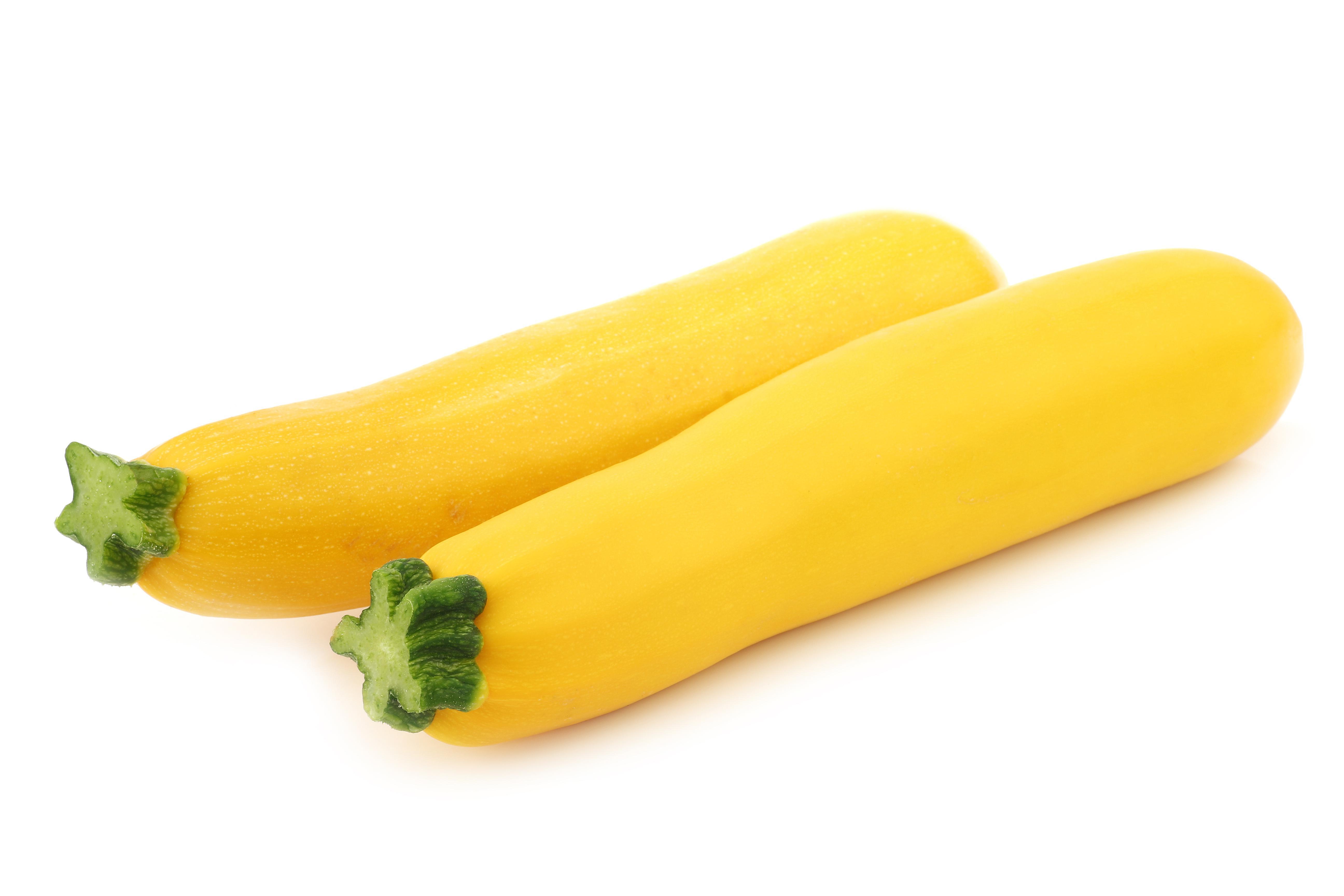
You’re standing in the produce aisle, staring at a pile of bright, waxy yellow veggies. Most people just grab whatever’s on top and toss it in the cart. But honestly, if you think all kinds of yellow squash are the same, you're missing out on some serious flavor. There is a world of difference between a watery, over-sized crookneck and a dense, nutty Zephyr.
The botanical name is Cucurbita pepo. That covers everything from the classic straightneck to the weird, bumpy heirloom varieties your grandma probably grew. They’re all "summer squash," meaning we eat them when the skin is still tender and the seeds haven't turned into wood. If you wait too long to harvest, they basically become decorative gourds that taste like cardboard.
The Straightneck vs. Crookneck Rivalry
Most of the time, you're looking at a Straightneck. It's the workhorse. It's uniform. It’s easy to slice into perfect rounds for a sheet-pan dinner. But then you have the Crookneck. These are the ones with the swan-like curve at the top and, usually, a bit of "warty" texture on the skin.
Don't let the bumps scare you.
Old-school gardeners like those at the Old Farmer's Almanac swear by the crookneck because it often has a slightly firmer texture. When you sauté it, it doesn't turn into mush quite as fast as the straightneck. The "Early Golden Summer Crookneck" is a legend in the gardening world; it’s been around since the 1800s. It’s bumpy, it’s weirdly shaped, and it tastes better than anything wrapped in plastic at a big-box store.
The issue with crooknecks is the neck itself. It’s solid flesh. The bulbous bottom contains the seeds. This uneven distribution means if you're trying to grill them, you have to be smart about how you cut them, or the skinny necks will burn before the fat bottoms even get warm.
The Zephyr and the "Two-Tone" Revolution
If you’ve ever been to a high-end farmer's market and seen a squash that looks like it was dipped halfway into a bucket of light green paint, you've found a Zephyr. This is a hybrid. It's actually a cross between a yellow crookneck, a delicata, and a yellow acorn squash.
It's fancy.
The Zephyr is widely considered the "chef's favorite" among the different kinds of yellow squash. Why? Because it’s surprisingly nutty. It has a crunch that holds up even under high heat. While a standard yellow squash is 95% water, the Zephyr feels more substantial.
- Texture: Firm, almost crisp.
- Color: Yellow top, pale green bottom.
- Flavor: Slightly sweet, reminiscent of a hazelnut if you brown it in butter.
Pattypan: The Flying Saucers of the Garden
Then there’s the Pattypan (or Scallop squash). These look like little UFOs. They come in bright yellow, white, and dark green, but the yellow ones are the most common in summer cooking.
They are fundamentally different to cook with.
Because they are dense and round, you can't really "slice" them into rings. Most people either dice them or—the pro move—stuff them. You scoop out the middle, mix it with some sausage or quinoa, and bake the whole thing. The skin on a yellow pattypan is a bit tougher than a zucchini, so it holds its shape like a bowl.
James Beard, the "Dean of American Cuisine," famously loved simple summer vegetables. He often argued for not overcomplicating these plants. For a pattypan, that usually means just steaming them whole if they are small (the size of a golf ball) or roasting them with heavy salt if they are larger.
Why Size Actually Matters (A Lot)
Here is a hard truth: Big squash are bad.
When you see those massive, two-foot-long yellow squashes at the end of the summer, don't buy them. Don't even take them for free from your neighbor. As the fruit grows larger, the water content skyrockets and the seeds become tough and bitter.
The "sweet spot" for most kinds of yellow squash is between five and seven inches. For Pattypans, you want them under three inches in diameter. At this size, the skin is so thin you don't need to peel it, and the seeds are basically non-existent.
The Yellow Zucchini Identity Crisis
Is yellow zucchini the same as yellow squash? Technically, no.
While they are both Cucurbita pepo, a yellow zucchini is just a zucchini that lacks green pigment. It is perfectly cylindrical. It doesn't have the tapered neck of a traditional yellow squash.
In terms of taste, yellow zucchini is milder. It’s less "squashy." It’s also less likely to have that slight bitterness that some heirloom yellow squashes carry. If you’re making a ratatouille and you want it to look beautiful, you use yellow zucchini because the slices are uniform. If you want flavor, you go for the crookneck.
Nutritional Reality Check
We talk about squash like it's a "superfood," but let’s be real. It’s mostly water. However, that doesn't mean it’s empty calories. Yellow squash is loaded with Lutein and Zeaxanthin.
These are carotenoids. They are what give the squash its yellow color, and they are scientifically linked to eye health. Specifically, they help protect your retinas from UV damage. According to the American Optometric Association, these antioxidants can actually reduce the risk of chronic eye diseases like cataracts.
You also get a decent hit of Vitamin C and Manganese. But because squash is so low in calories (about 20 calories per cup), you have to eat a fair amount of it to get a massive nutritional boost. Or, you know, just use it as a vehicle for butter and garlic.
Growing Your Own: The Squash Vine Borer Problem
If you decide to grow these kinds of yellow squash yourself, you’re going to run into the "Devil of the Garden": the Squash Vine Borer.
It’s a clearwing moth that lays eggs at the base of the plant. The larvae tunnel into the stem and eat it from the inside out. One day your squash plant looks glorious; the next, it’s a wilted pile of sadness.
Expert gardeners like those at the University of Minnesota Extension recommend a few things:
- Row covers: Keep the moths off the plants until they start flowering.
- Succession planting: Plant one batch in May and another in July. By the time the borers kill the first batch, the second one is ready to take over.
- Aluminum foil: Some people wrap the base of the stems in foil to prevent the larvae from entering. It looks crazy, but it works.
Culinary Mistakes You're Probably Making
Stop salting your squash too early.
If you salt yellow squash before it hits the pan, the salt draws out all the water. You end up boiling the squash in its own juices instead of searing it. You want a hot pan, a little oil, and then the squash. Don't crowd the pan. If the pieces are touching each other, they’re steaming, not browning.
The Grate-and-Squeeze Method If you’re making squash fritters or "zoodles" out of yellow squash, you have to grate it, salt it in a colander, let it sit for 20 minutes, and then literally wring it out with a kitchen towel. You will be shocked at how much green/yellow water comes out. If you skip this, your fritters will be soggy disks of regret.
Real-World Varieties to Look For
If you are buying seeds or looking at labels, keep an eye out for these specific names:
- Slicker: A straightneck variety that is famous for having a very "clean" skin with almost no spines. It’s great if you have sensitive skin and hate the "itchy" feeling of picking squash.
- Gourmet Gold: This is a classic yellow zucchini. It’s very prolific. You’ll have more than you know what to do with within six weeks.
- Sunburst: This is the gold standard for Pattypans. It has a tiny green ring on the blossom end. It's beautiful and holds its color well when cooked.
Actionable Insights for Your Kitchen
Next time you're dealing with kinds of yellow squash, follow these rules for a better experience:
- Buy small. If it’s bigger than a flashlight, leave it behind. Smaller squash have better flavor and fewer seeds.
- Check the skin. It should be matte or slightly shiny, but never shriveled. A shriveled neck means the squash was picked a long time ago and is dehydrating.
- Store it dry. Do not wash your squash before putting it in the fridge. Moisture is the enemy. Keep it in a perforated plastic bag in the crisper drawer, and use it within 4-5 days.
- High heat is your friend. To avoid the "mush factor," cook yellow squash quickly over medium-high to high heat. Grilling is perhaps the best way to handle the high water content—the fire evaporates the moisture while caramelizing the sugars.
- Don't ignore the blossoms. If you grow your own, the male flowers (the ones on skinny stems) can be stuffed with ricotta, battered, and fried. It’s a delicacy that you’ll almost never find in a store because the flowers wilt within hours of being picked.
Yellow squash isn't just a "filler" vegetable. Whether it's the nutty Zephyr, the sturdy Pattypan, or the classic heirloom Crookneck, each type brings a different structural integrity to your plate. Choose the right one for the job, keep the heat high, and stop buying those giant, watery monsters.



