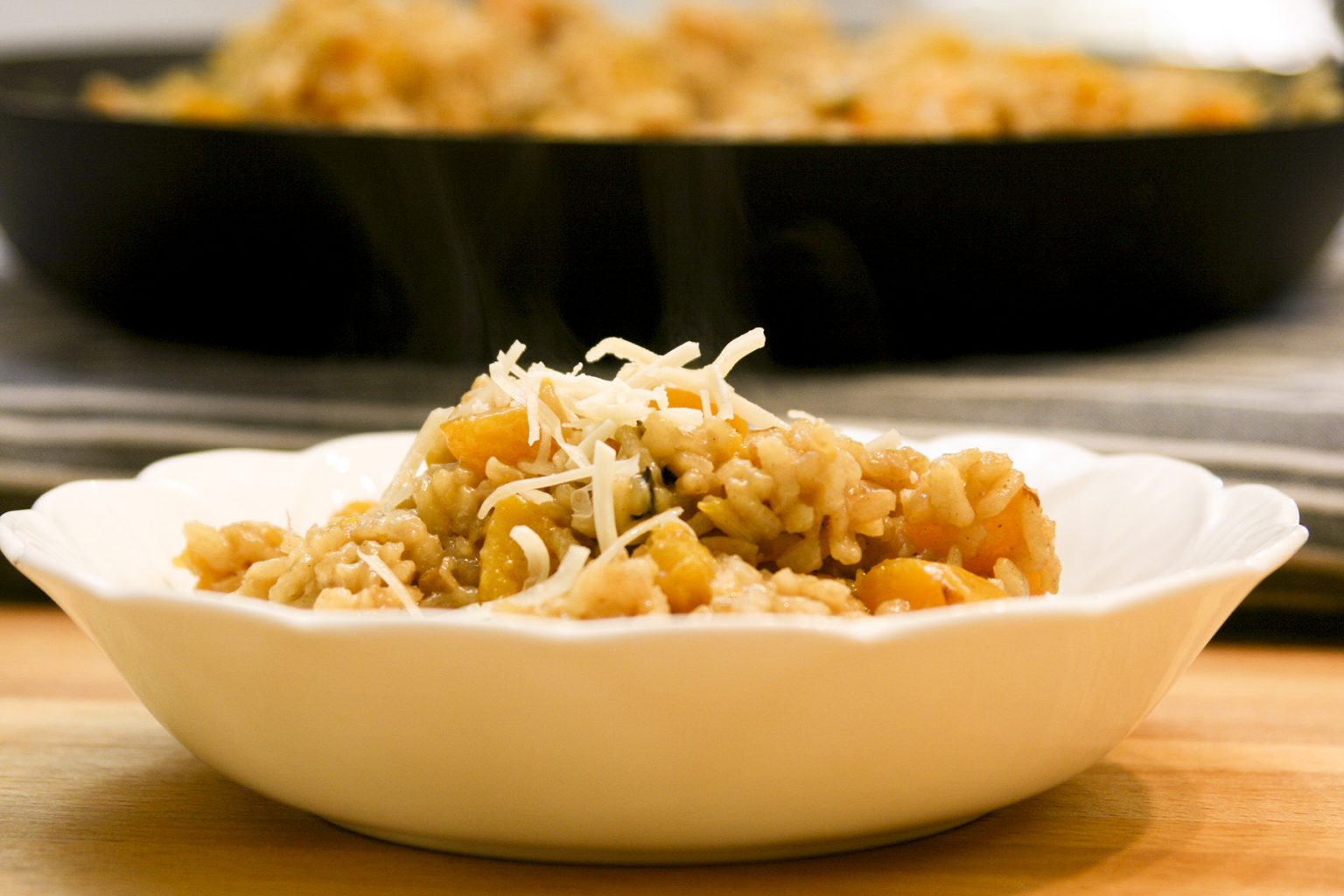
Everyone has been there. You see those beautiful, vibrant yellow crookneck squashes at the farmer's market, and you think, "I'll make a gratin!" You get home, slice them up, layer them with cheese, and bake it. Thirty minutes later, you pull out a dish that looks less like a gourmet side and more like a lukewarm vegetable soup. It's a tragedy. Yellow squash au gratin is one of those dishes that sounds simple but actually requires a bit of culinary finesse to pull off without ending up with a watery mess on your plate.
Squash is basically a sponge. It’s over 90% water. If you don't account for that, your creamy sauce will break, your cheese will slide off, and you'll be left wondering why you didn't just steam the damn things and call it a day. But when it's done right? It’s transformative. We’re talking about tender, buttery rounds of summer squash enveloped in a velvety Mornay sauce, topped with a crust so crunchy it shatters under your fork.
Honestly, the "au gratin" part is where the magic happens. While "scalloped" usually just implies cream or milk, a true gratin needs that golden-brown crust, usually from breadcrumbs, Gruyère, or Parmesan. It’s comfort food that still feels elegant enough for a Sunday roast or a holiday spread.
The Moisture Problem (And How to Fix It)
You can't just slice and go. If you do, the squash releases all its internal liquid the second it hits the heat of the oven. This is the number one mistake home cooks make with yellow squash au gratin. Professionals like J. Kenji López-Alt or the folks over at America’s Test Kitchen often emphasize the importance of "sweating" your vegetables.
Basically, you need to salt your squash slices beforehand. Toss them in a colander with a generous sprinkle of kosher salt and let them sit for at least 20 to 30 minutes. You’ll be shocked at the puddle that forms underneath. After they've wept out their excess moisture, pat them dry with a clean kitchen towel. Really get in there. This step ensures the squash maintains its structural integrity while baking.
Another pro move? Searing. If you have the time, quickly sautéing the squash slices in a hot pan with a little olive oil or butter before layering them helps develop flavor through the Maillard reaction. It also evaporates even more water. Most people skip this because it's an extra step, but if you want that deep, nutty flavor that contrasts with the richness of the cheese, it’s worth the ten minutes.
The Cheese Choice Matters
Don't just grab a bag of pre-shredded "Mexican blend" and hope for the best. Pre-shredded cheese is coated in potato starch or cellulose to prevent clumping in the bag, which is great for convenience but terrible for melting. It makes your sauce grainy.
For a classic yellow squash au gratin, you want something that melts smoothly but has enough personality to stand up to the squash.
- Gruyère: The gold standard. It’s nutty, salty, and melts like a dream.
- Sharp Cheddar: Gives it a nostalgic, Southern-style casserole vibe.
- Parmigiano-Reggiano: Best for the topping. It provides that salty, umami-rich "crunch factor."
- Fontina: If you want it ultra-creamy and mild.
Building the Perfect Sauce
A lot of recipes tell you to just pour heavy cream over the vegetables. That works for potatoes because potatoes have starch to thicken the liquid. Squash has zero starch. If you just use cream, you’re making squash soup.
You need a roux. Melt butter, whisk in flour, and slowly add whole milk or a mix of milk and cream. This creates a béchamel. Once you stir in your cheese, it becomes a Mornay sauce. This sauce acts as a structural binder. It clings to the squash. It doesn't run away.
Think about aromatics, too. Garlic is non-negotiable. Sauté it in the butter before you add the flour. Maybe a pinch of nutmeg—just a tiny bit. Nutmeg is the secret weapon in French cream sauces; it doesn't make it taste like dessert, it just makes the dairy taste "more like itself." A sprig of fresh thyme or some chopped chives can also cut through the heaviness of the fat.
Breadcrumbs: The Texture Hero
The "gratin" in yellow squash au gratin refers to the crust. While some people just use more cheese, a mix of Panko breadcrumbs and melted butter is superior. Panko has a larger surface area than traditional breadcrumbs, meaning more area to get crispy.
Mix your Panko with a little lemon zest and some fresh parsley. The citrus helps brighten a dish that can otherwise feel quite heavy. If you’re feeling fancy, toss in some crushed Ritz crackers. It’s a very "Southern grandma" move, but the buttery saltiness of those crackers is hard to beat.
Why Yellow Squash and Not Zucchini?
Technically, you can use both. They are cousins, after all. However, yellow squash (specifically the straight-neck or crookneck varieties) tends to have a slightly larger seed cavity and a thinner skin than zucchini.
In terms of flavor, yellow squash is a bit sweeter and more delicate. When it caramelizes in the oven, that sweetness plays beautifully against a sharp white cheddar. Also, aesthetically, the bright yellow skins look stunning peeking through a white cream sauce. It looks like summer on a plate.
If you're using older, larger squashes, the seeds can get a bit tough and bitter. Try to pick medium-sized ones—about 6 to 8 inches long. They have the best balance of flavor and texture. If you’re stuck with a "giant from the garden," consider peeling it and scooping out the center seeds before slicing.
Common Pitfalls to Avoid
- Overcooking: If you leave it in too long, the squash turns to mush. You want it to have a slight "bite"—what Italians call al dente. Usually, 25-30 minutes at 375°F (190°C) is the sweet spot.
- Too Much Liquid: If you see liquid pooling at the edges halfway through baking, don't panic. You can carefully tilt the dish and spoon some out, or just leave the oven door cracked for the last five minutes to help evaporation.
- Under-seasoning: Squash is bland. The sauce needs to be slightly saltier than you think it should be because the squash will dilute that saltiness as it cooks.
Variations on the Classic
While the French-inspired version is great, there are plenty of ways to pivot.
The Southern Casserole Version: This usually involves sour cream, mayonnaise (yes, really), and crushed crackers. It’s less "au gratin" and more "comfort bake," but it’s undeniably delicious. It often includes sautéed onions and maybe a bit of sugar to lean into the squash's natural sweetness.
The Keto-Friendly Version: Skip the flour roux. Instead, reduce heavy cream by half on the stovetop until it thickens naturally, then stir in the cheese. Use crushed pork rinds or almond flour mixed with Parmesan for the "breadcrumb" topping. It works surprisingly well.
The Spicy Kick: Fold in some diced canned green chiles or a pinch of cayenne pepper into your cheese sauce. The heat cuts through the richness and makes the yellow squash pop.
The Role of the Baking Dish
Depth matters. If you pile the squash four inches deep in a small, high-sided dish, the middle will never cook properly and the bottom will be a swamp. Use a wide, shallow gratin dish or a 9x13 ceramic baker. You want more surface area for that crust. More crust equals more happiness.
Also, make sure you grease the dish well with butter. Not only does it prevent sticking, but it also contributes to those crispy, caramelized "frico" edges where the cheese meets the ceramic.
Real-World Expert Tips
Chef Anne Burrell often talks about the importance of "building layers of flavor." This applies here perfectly. Don't just season the sauce; season the squash. Don't just season the breadcrumbs; season the sauce.
If you're looking for a reference on vegetable ratios, The Joy of Cooking suggests about 2 pounds of squash for a standard side dish serving 6 people. That might seem like a lot, but remember, squash shrinks significantly as it loses water.
Making It Ahead of Time
You can absolutely prep this in advance, with one caveat: don't put the breadcrumbs on until the last second.
You can slice and salt the squash, make the sauce, and even assemble the layers in the dish. Cover it with foil and keep it in the fridge for up to 24 hours. When you’re ready to eat, let it sit on the counter for 20 minutes to take the chill off, top with your buttery breadcrumbs, and bake. If you bake it straight from the fridge, you’ll need to add about 10 minutes to the cook time.
Do not freeze it. Squash does not freeze well in a cream sauce; the cellular structure of the vegetable breaks down, and the dairy will likely separate upon thawing. This is a "fresh is best" kind of situation.
Steps for the Perfect Result
To ensure your yellow squash au gratin turns out perfectly, follow this sequence:
- Prep the Squash: Slice into 1/4 inch rounds. Salt them in a colander for 20 minutes, then pat them completely dry.
- Build the Base: Sauté onions and garlic in butter until soft. Whisk in flour to make a roux, then slowly incorporate milk and heavy cream.
- Incorporate Cheese: Remove the sauce from heat and stir in about two-thirds of your cheese until smooth. Season with salt, pepper, and a hint of nutmeg.
- Layer: Arrange half the squash in a greased baking dish. Pour over half the sauce. Repeat with the remaining squash and sauce.
- The Topping: Mix Panko, the remaining cheese, and a little melted butter. Sprinkle evenly over the top.
- Bake: Place in a 375°F (190°C) oven. Bake for 25-30 minutes until the sauce is bubbling and the top is a deep golden brown.
- The Rest: This is the hardest part. Let the dish sit for 10 minutes before serving. This allows the sauce to set up so it doesn't run all over the plate.
Yellow squash au gratin isn't just a side dish; it’s a way to celebrate the abundance of summer produce. It takes a humble, often overlooked vegetable and turns it into something decadent. By managing the moisture and choosing high-quality fats and cheeses, you elevate a simple casserole into a culinary highlight.
Actionable Next Steps:
- Check your pantry: Ensure you have high-quality sea salt and real butter before starting; the salt is crucial for the sweating process.
- Pick your squash: Look for medium-sized yellow squash at the market today—avoid the oversized ones that feel "hollow" or have bruised skin.
- Grate your own cheese: Buy a block of Gruyère or sharp cheddar and grate it yourself to avoid the powdery starch found in pre-shredded bags.



