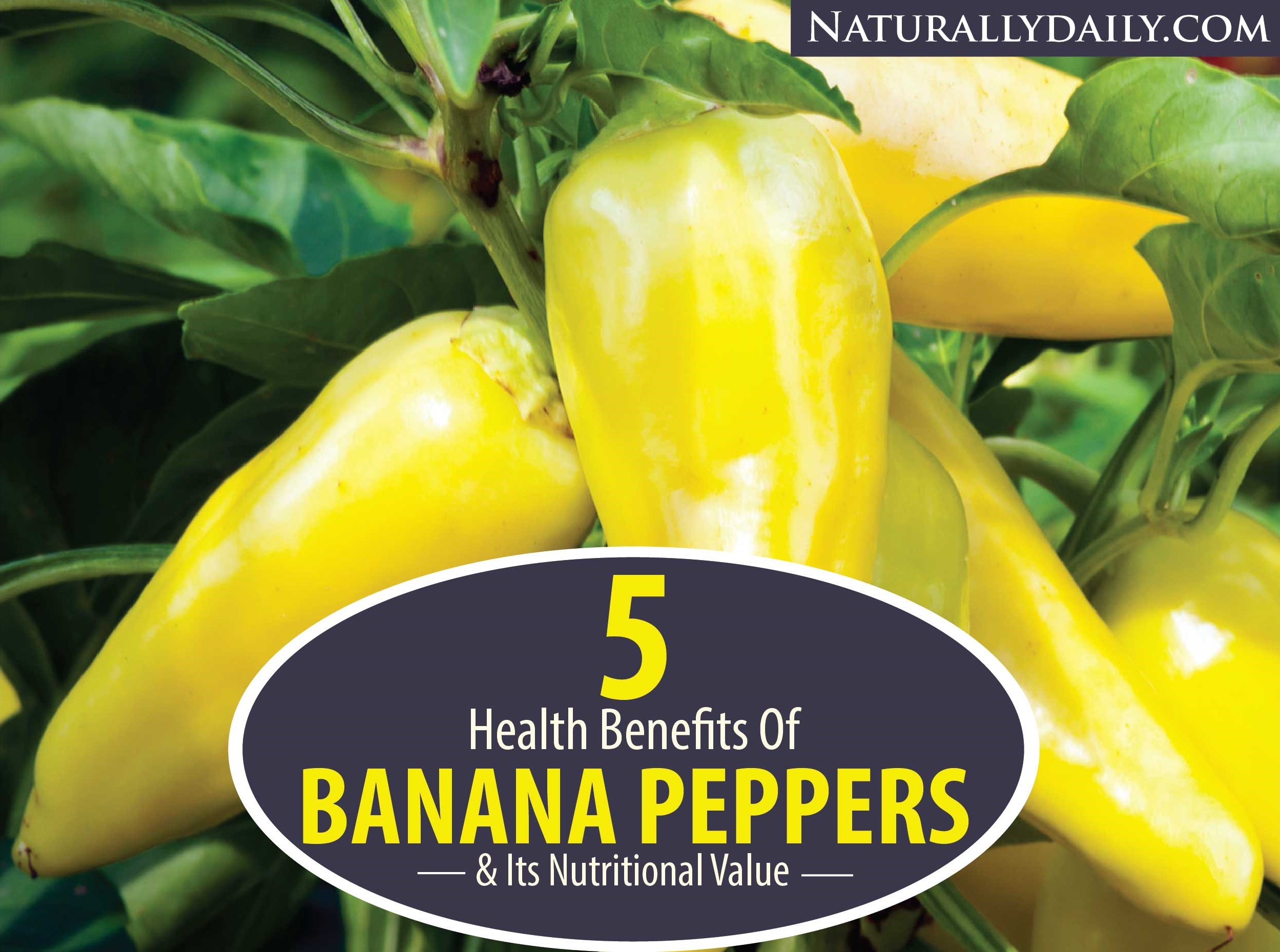
You’re standing in the produce aisle. Red peppers look classic. Green ones are cheap. But those bright, waxy yellow ones? They usually cost a bit more, and most people just grab them to make a fajita plate look "aesthetic." Honestly, that's a mistake. If you’re skipping them, you’re missing out on a nutritional profile that actually puts the other colors to shame in some pretty specific ways. The health benefits of yellow peppers aren’t just about looking good in a salad; we're talking about a vegetable that functions more like a high-potency supplement than a side dish.
Most people think oranges are the gold standard for Vitamin C. They aren't. Not even close. A medium yellow bell pepper packs about 340% of your daily recommended intake of Vitamin C. That’s more than double what you’ll find in a green pepper and significantly more than a large orange. It’s wild.
The Vitamin C Heavyweight You're Ignoring
Let's get into the weeds of why that Vitamin C number actually matters. It’s not just about "not getting a cold." Vitamin C is the primary engine for collagen synthesis. Without enough of it, your body literally cannot knit together the proteins required to keep your skin elastic or your joints cushioned. Yellow peppers are essentially "internal skincare."
Researchers have long noted that the high carotenoid content in these vegetables—specifically violaxanthin and lutein—works synergistically with Vitamin C. A 2012 study published in the American Journal of Clinical Nutrition suggested that people with higher intakes of Vitamin C had a significantly lower likelihood of a wrinkled appearance and senile dryness. It’s basically anti-aging you can eat.
But there’s a catch. Heat destroys Vitamin C. If you char these peppers until they're black or boil them into a mushy soup, you’re killing the very thing you bought them for. Eat them raw. Dip them in hummus. Slice them thin and put them on a sandwich. If you must cook them, a quick 2-minute sauté is the limit.
What Most People Get Wrong About Eye Health
When we talk about eyes, everyone screams "carrots!" because of the beta-carotene. Sure, carrots are great. But yellow peppers contain massive amounts of lutein and zeaxanthin. These are two pigments that concentrate in the macula of your eye. Think of them as internal sunglasses. They filter out blue light—the kind currently blasting into your retinas from whatever screen you’re reading this on—and protect your cells from oxidative damage.
Macular degeneration is the leading cause of vision loss as we age. It’s scary. But studies, including the landmark AREDS (Age-Related Eye Disease Study), show that increasing your intake of these specific carotenoids can significantly slow the progression of eye disease. Yellow peppers are one of the most bioavailable sources of these nutrients. You’re literally eating protection for your vision.
The Heart Health Connection (It’s Not Just Fiber)
Yes, yellow peppers have fiber. About 2.5 grams per pepper. That’s fine, but it’s not the headline. The real hero here is the potassium and folate.
Potassium is a vasodilator. It helps your blood vessels relax. When your vessels relax, your blood pressure drops. Most of us eat way too much sodium and not nearly enough potassium, which keeps our hearts under constant, low-grade stress. Adding a yellow pepper to your daily routine helps tip that balance back.
Then there’s folate (Vitamin B9). It helps break down homocysteine. High levels of homocysteine are linked to a higher risk of heart disease and stroke. It’s a silent marker that many people don't even know they should be worried about.
- Bioflavonoids: These help strengthen your capillary walls.
- Lower Cholesterol: The pectin in the fiber helps bind to bile acids and move them out of the body.
- Antioxidant Load: They fight the "bad" LDL cholesterol oxidation that leads to plaque buildup.
Let’s Talk About Mood and Mental Clarity
This is where the health benefits of yellow peppers get really interesting and sort of unexpected. Most people don't associate peppers with mental health. But Vitamin B6, which is abundant in the yellow variety, is a precursor to serotonin and norepinephrine. These are the "feel-good" chemicals.
When you’re low on B6, you feel sluggish. Irritable. Kinda foggy. While a pepper isn't going to cure clinical depression, providing your brain with the raw building blocks it needs to produce neurotransmitters is a solid baseline for mental wellness. There's also some emerging evidence that the antioxidants in bell peppers might protect the brain from neuroinflammation, which is increasingly being linked to "brain fog" and long-term cognitive decline.
Digestion and the "Hidden" Benefits
Wait, are they hard to digest? For some people, yes. If you have a nightshade sensitivity, you might get bloated. But for the average person, the high water content (about 92%) combined with the fiber makes them a digestive powerhouse.
They also contain a decent amount of iron. But here’s the kicker: iron from plant sources (non-heme iron) is notoriously hard for the body to absorb. Vitamin C dramatically increases that absorption rate. So, if you eat yellow peppers with something like spinach or lentils, you’re actually making those other foods "work" better. It’s a force multiplier for your nutrition.
The Real Difference Between Colors
- Green: Unripe. Tastes bitter. Has the lowest nutrient density because it hasn't had time to develop.
- Red: Fully ripe. High in Vitamin A and lycopene. Great for heart health.
- Yellow: The sweet spot. It has more Vitamin C than the other two and specific xanthophylls that the others lack.
Buying and Storing: Don’t Waste Your Money
I see people buy these and let them get wrinkly in the crisper drawer all the time. Such a waste. When you’re picking one out, look for weight. It should feel heavy for its size. That means it’s hydrated. If the stem is brown or shriveled, leave it there.
Store them in a reusable silicone bag or a breathable produce bag. If you put them in a sealed plastic bag, they’ll "sweat" and rot in three days. They need to breathe. And for the love of all things holy, don't wash them until right before you eat them. Moisture is the enemy of shelf life.
Real-World Action Steps
If you want to actually see a difference in how you feel, "thinking" about peppers won't help. You need a plan.
- The Breakfast Hack: Dice half a yellow pepper into your eggs. You won't even taste it that much, but you’ve just knocked out your entire day's Vitamin C requirement before 9:00 AM.
- The "Naked" Snack: Slice them into long strips and keep them in a glass jar at eye level in the fridge. If you see them when you're hungry, you'll eat them.
- The Salad Swap: Use yellow peppers instead of croutons. You get the crunch without the empty carbs and inflammation-causing refined oils.
- Pairing Matters: Always eat your peppers with a little bit of healthy fat—like avocado or olive oil. The carotenoids (lutein, etc.) are fat-soluble. If you eat them "dry," you’re literally flushing half the benefits down the toilet.
The health benefits of yellow peppers are significant enough that they should be a staple, not an occasional garnish. They support your eyes, your heart, your skin, and your immune system with more efficiency than almost any other vegetable in the produce section. Stop treating them like a luxury and start treating them like the foundational health tool they actually are.