Honestly, yellow is the most dangerous color in the paint aisle. People walk into a hardware store, see a swatch that looks like a happy little buttercup, slap it on four walls, and suddenly their living room feels like the inside of a radioactive banana. It’s aggressive. It’s loud. It’s often a total mistake.
But when yellow paint interior design is done right? It’s transformative. It can make a cramped, north-facing basement feel like it’s actually catching the 4:00 PM golden hour. The problem is that yellow is a high-energy wavelength. According to color psychology research often cited by experts like Maria Killam, yellow is the first color the human eye processes. It demands attention. If you give it too much space without the right undertones, it doesn't just "brighten" a room—it attacks it.
We need to talk about why most people fail at this and how to actually use this color without ending up with a headache.
The Science of Why Your Yellow Feels "Off"
Light changes everything. This isn't just a design cliché; it’s physics. Yellow is incredibly reflective. If you have a room with a lot of green trees outside the window, that light is going to bounce off your yellow walls and turn them a sickly, bruised lime. It’s gross.
You’ve got to look at the LRV, or Light Reflectance Value. Most "bright" yellows have an LRV in the 80s or 90s, meaning they kick almost all the light back at you. In a small room, that light bounces from wall to wall, intensifying the color. This is called "chromatic induction." Basically, the color gets stronger the more of it you see. That’s why a tiny 2-inch swatch looks lovely, but a 10-foot wall looks like a highlighter pen exploded.
Most pros, like those at Farrow & Ball or Benjamin Moore, suggest that if you want a "yellow room," you should actually buy a paint that looks beige or "muddy" on the sample card. Once it’s on all four walls, the reflected light will "clean up" the color and make it look like the yellow you actually wanted.
Yellow Paint Interior Design: The Undertone Trap
If you think yellow is just yellow, you’re already in trouble.
Yellows generally fall into three camps: green-yellows, orange-yellows, and "true" yellows. Green-yellows (think primrose or lemon) feel fresh and modern but can turn cold and clinical very fast. Orange-yellows (ochre, mustard, gold) feel cozy and traditional. If you’re trying to achieve a classic "French Country" or "Tuscan" look, you’re looking for those earthy, heavy ochres.
The Kitchen Debate
Kitchens are the most common victims of bad yellow choices. White cabinetry paired with a bright, buttery yellow can look dated—very 1994. Instead, look at something like Sudbury Yellow from Farrow & Ball. It has a heavy dose of grey and brown in it. It feels historical. It feels like it has a soul.
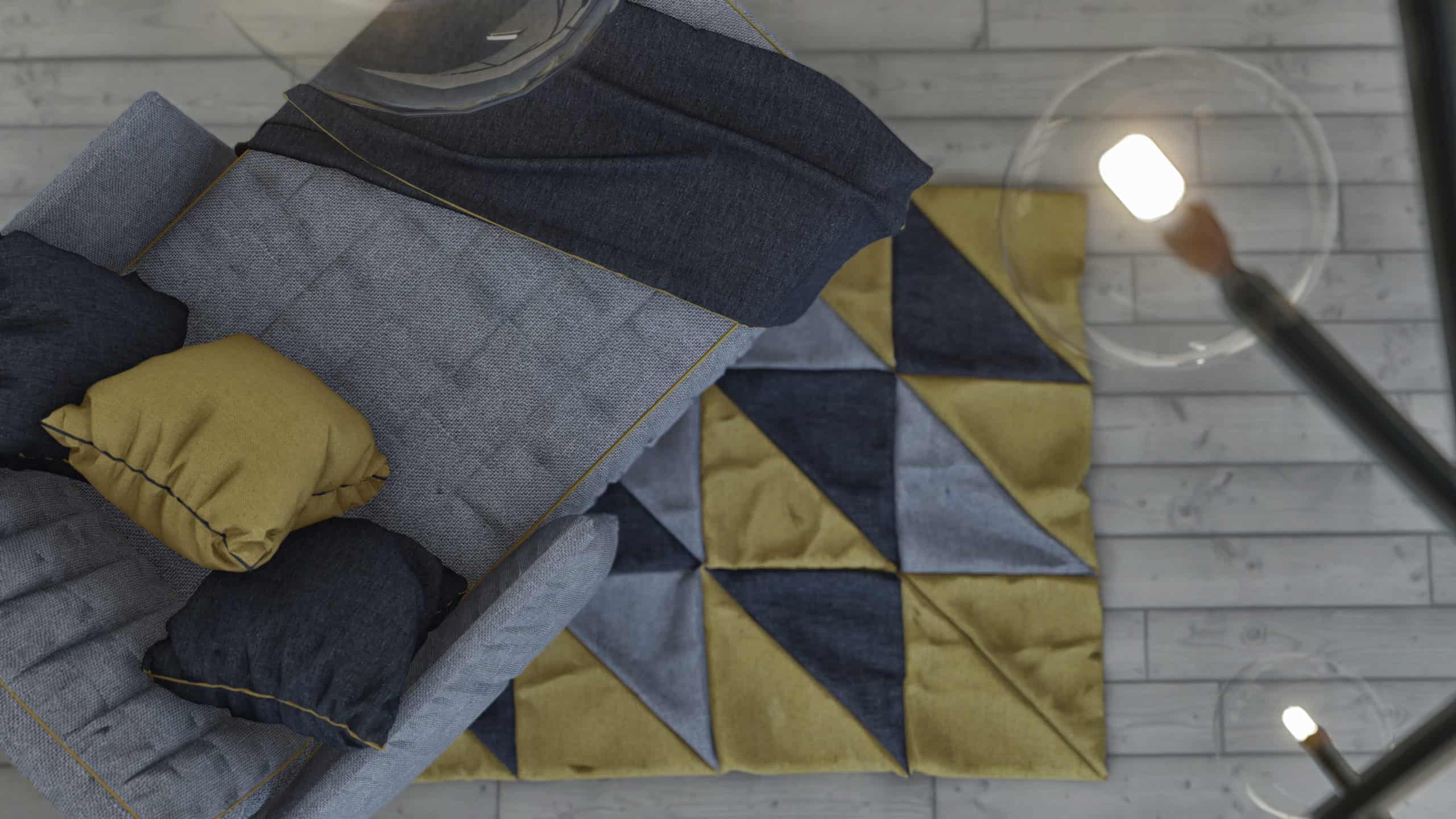
Contrast is your best friend here. If you use a saturated yellow, you need a "grounding" color to stop the room from floating away. Navy blue is the classic partner, but charcoal grey or even a deep forest green works better for a contemporary vibe.
Why Gen Z Yellow Died (and What Replaced It)
Remember "Gen Z Yellow"? It was everywhere around 2017-2019. It was that flat, vibrant, almost-mustard-but-not-quite shade. It was a reaction to "Millennial Pink." Well, it died because it was exhausting to live with.
Today, we’re seeing a shift toward "Butter Yellow." It’s softer. It’s almost a neutral. Think of the color of high-quality Irish butter. It has enough white in it to be restful, but enough pigment to be cheerful. It’s the difference between a scream and a hum.
How to Test Without Losing Your Mind
Don't paint swatches directly on the wall. Please.
When you paint a yellow square on a white wall, your eyes compare the two. The yellow will always look darker and more intense than it really is because of the white background. Instead, paint a large piece of foam core board. Leave a white border around the edge of the board so your eyes have a neutral point of reference.
Move that board around the room throughout the day.
- Morning: Is it too pale?
- Noon: Does it look like a school bus?
- Evening (under LED lights): Does it turn a weird muddy brown?
If you skip this, you're gambling with $400 worth of paint and a weekend of your life.
Real Examples of Success
Look at the work of designer Beata Heuman. She’s a master of using "uncomfortable" colors. She often uses yellow in hallways or transitional spaces. This is a brilliant move. Why? Because you don't spend four hours sitting in a hallway. It’s a burst of joy as you move from one room to another. It’s a "palette cleanser."
Another trick is the "5th wall." Painting a ceiling yellow in a room with white walls can mimic the feeling of sunshine even in the dead of winter. It’s a trick used in Scandinavian design quite a bit to combat the "Grey Months."
The "Ugly" Yellow Secret
Some of the best yellow paint interior design involves colors that look objectively "ugly" in the can. Colors like India Yellow or Yellow Oxide can look like spicy mustard or old gold. But when you pair them with high-gloss white trim and dark wood floors, they look incredibly expensive. They have depth. Cheap yellows look "thin." Expensive yellows look like they have layers of pigment.
Stop Thinking About Walls
Sometimes the best way to use yellow is to not use it on the walls at all.
A yellow lacquered vanity in a bathroom with black and white tile? Incredible. A bright yellow front door? Classic. Yellow inside a bookshelf? It makes your books pop.
It’s about the "pop" versus the "soak." A room "soaked" in yellow needs to be a very specific, muted shade. A "pop" of yellow can be as loud and obnoxious as you want because it’s balanced by the rest of the space.
The Technical Side: Finishes Matter
The sheen you choose will change the color. A high-gloss yellow will reflect even more light and make the color appear more saturated. A matte or "dead flat" finish will soak up the light and make the yellow feel more sophisticated and architectural.
For most interior walls, a "Satin" or "Eggshell" is the standard, but for yellow, I’d lean toward the flattest finish you can get away with in terms of durability. It tempers the vibration of the color.
Dealing with "The Gloom"
If you have a room that gets zero natural light, do not—I repeat, DO NOT—paint it a bright lemon yellow to "brighten it up." It won't work. Without light to activate the pigment, the yellow will just look like a dingy, sickly grey-yellow. In dark rooms, you actually want a deeper, more saturated gold or ochre. You have to lean into the darkness.
Actionable Steps for Your Project
If you’re ready to commit, here is how you actually execute this without regrets.
First, identify your orientation. North-facing rooms need warm yellows (with red/orange undertones) to counteract the blue light. South-facing rooms can handle cooler, citrusy yellows because they get plenty of warm sun.
Second, buy three samples. One you love, one that looks "too dark," and one that looks "too grey." I bet you 5 to 1 that the "too grey" one ends up being the winner once it’s on the wall.
Third, consider the "Rule of Three." If you have yellow walls, you need three other elements in the room to "speak" to that yellow. Maybe a gold picture frame, a patterned rug with a hint of mustard, or even just a brass lamp. It ties the room together so the walls don't feel like an accident.
Finally, check your lightbulbs. If you use "Cool White" LEDs (5000K), your yellow paint will look green and clinical. Switch to "Warm White" (2700K to 3000K) to keep the color feeling cozy and natural. Yellow is a temperamental beast, but if you treat it with a little respect and a lot of testing, it’s the most rewarding color in the spectrum.
Stop looking at the tiny swatches. Buy a sample pot, paint a big board, and watch how the sun treats it for 24 hours. That’s the only way to win.