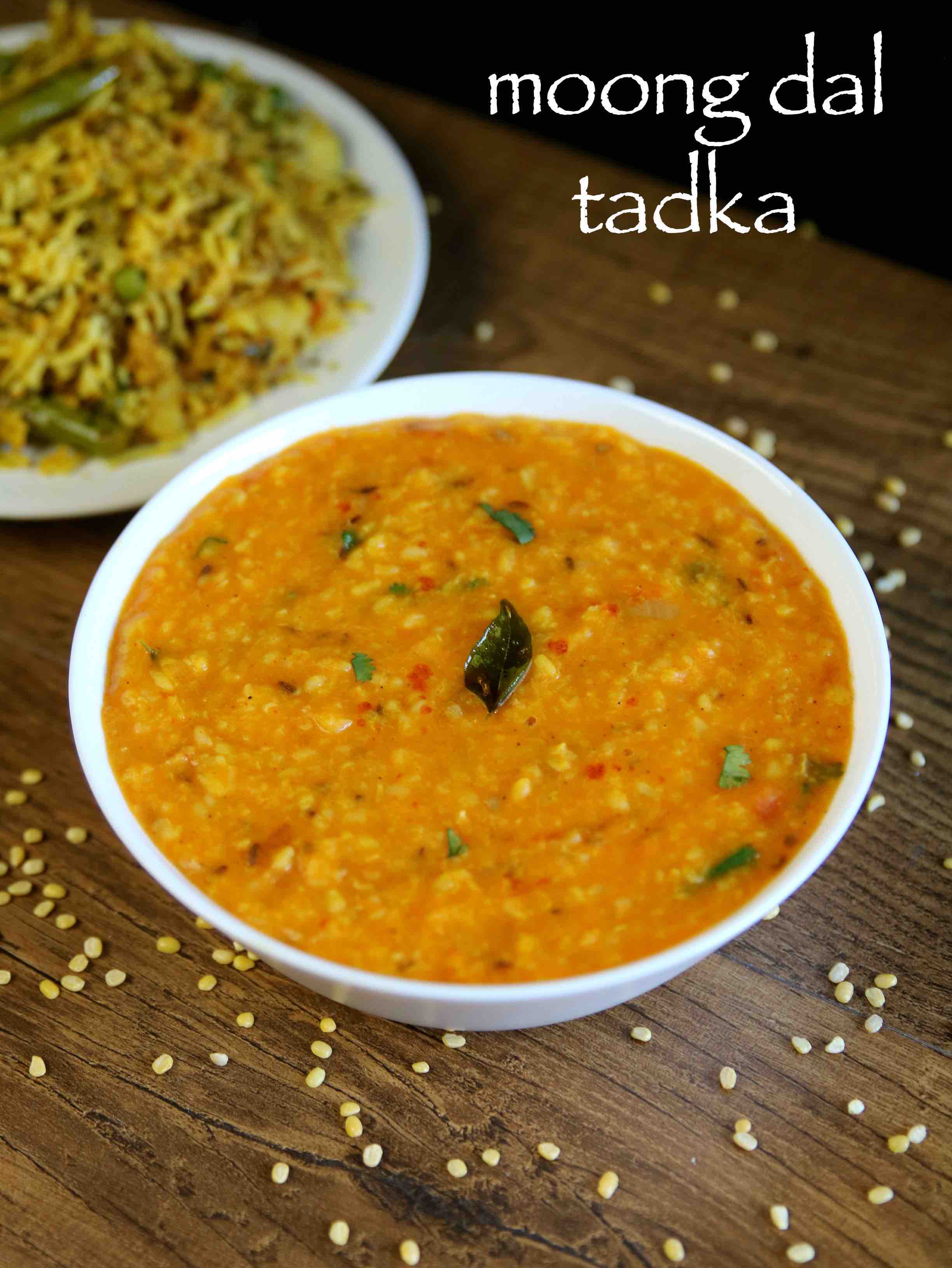
You’re tired. You’re hungry. The fridge is looking a bit sparse, and the idea of ordering another heavy takeout meal feels physically painful. We’ve all been there. This is exactly where recipe for yellow moong dal enters the chat, not as some boring health food, but as the literal MVP of comfort cooking.
Honestly, moong dal is the underdog of the legume world. People obsess over creamy Dal Makhani or spicy Chana Masal, but they overlook the yellow split mung bean. Big mistake. It’s the fastest-cooking lentil, it doesn't require an overnight soak, and it’s basically a blank canvas for whatever flavors you're feeling.
I’ve spent years tweaking how I make this. I’ve realized that most people mess it up by overcomplicating the spices or, worse, under-salting it. If your dal tastes like watery cardboard, you’re doing it wrong. Let’s fix that.
The Science of Why This Dal Doesn't Bloat You
Most beans have a reputation. You know the one.
But yellow moong dal is different because it’s "husked." When you remove the green outer skin from the whole mung bean, you're left with the yellow interior. This process makes it incredibly easy to digest. In Ayurvedic medicine, practitioners like Dr. Vasant Lad have long championed moong dal as the most "sattvic" or balancing food. It’s light. It’s gentle. It’s basically a hug for your digestive tract.
Nutritionally, it’s a powerhouse. You’re looking at about 14 grams of protein per cooked cup. Plus, it’s loaded with potassium, magnesium, and folate. If you’re trying to eat more plant-based meals but hate the "heavy" feeling of chickpeas or kidney beans, this is your solution.
What You Actually Need in Your Pantry
Don't go buying a 20-piece spice kit for this. You probably have half of this stuff already, and if you don't, a quick run to a local Indian grocer or even a well-stocked chain will cover it.
- The Lentils: One cup of yellow split moong dal. Rinse it. Then rinse it again. The water should run clear.
- The Fat: Ghee is king here. It has a high smoke point and a nutty flavor that oil just can't mimic. If you're vegan, use a neutral oil or a good vegan butter.
- The Aromatics: Fresh ginger is non-negotiable. Garlic is highly recommended. One small onion, finely diced.
- The Spices: Turmeric for that glow. Cumin seeds for the base. A pinch of Hing (Asafoetida) if you want that authentic "restaurant" funk. Red chili powder for heat.
- The Acid: Fresh lemon or lime juice at the very end. This is the secret. It wakes everything up.
The Step-by-Step Recipe for Yellow Moong Dal
First, let's talk about the boil.
Add your rinsed dal to a pot with three cups of water. Throw in half a teaspoon of turmeric and a teaspoon of salt. Bring it to a boil, then skim off that weird white foam that floats to the top. That's just impurities and excess starch; get rid of it.
Lower the heat. Cover it partially. Let it simmer for about 20 to 25 minutes. You want the lentils to be soft and starting to break down, but not a total liquid purée. If you have a pressure cooker or an Instant Pot, this takes about 6 minutes on high pressure with a natural release.
The Tadka: Where the Magic Happens
While the dal simmers, you make the tadka (the tempering). This is the soul of the dish.
Heat two tablespoons of ghee in a small pan. Drop in a teaspoon of cumin seeds. They should sizzle and pop immediately. If they don't, your fat isn't hot enough.
Add your diced onion. Cook it until it’s golden brown. Not translucent—brown. That caramelization is where the sweetness comes from. Stir in a tablespoon of minced ginger and a few cloves of smashed garlic.
Now, the dry spices. Turn the heat down so you don't burn them. Add a half-teaspoon of red chili powder and maybe a little extra salt. Pour this entire sizzling, fragrant mixture directly into your pot of cooked lentils.
The sound it makes? That "tshhh" is the sound of success.
Common Mistakes That Kill the Vibe
I see people making the same errors constantly.
- Too much water. You aren't making soup; you're making dal. It should have body. If it’s too thin, simmer it uncovered for a few minutes to reduce.
- Old spices. If that turmeric has been in your cabinet since the Obama administration, throw it out. It tastes like dust now.
- Skipping the ginger. Ginger provides a sharp, bright counterpoint to the earthy lentils. Without it, the dish feels flat.
- Forgetting the garnish. A handful of fresh cilantro (coriander) and that squeeze of lemon juice aren't just for looks. They provide the necessary acidity to cut through the richness of the ghee.
Variation: The Spinach Spin
If you want to feel like a health god, stir in two big handfuls of baby spinach right after you add the tadka. The residual heat will wilt the greens in about thirty seconds. This turns it into Dal Palak, and it’s a great way to sneak veggies into a meal that kids (or picky adults) will actually eat.
Variation: The Smoky Version
Want that restaurant-style "Dhungaar" flavor? Take a small piece of natural charcoal. Use tongs to hold it over a gas flame until it’s red hot. Place a tiny metal bowl (or a piece of aluminum foil shaped like a cup) on top of your cooked dal. Put the coal in the cup, pour a drop of ghee on the coal so it starts smoking, and immediately slam the lid on the pot.
Let it sit for three minutes. The smoke gets trapped and infuses the dal with a deep, wood-fired flavor. It’s a total game-changer.
Serving Suggestions That Make Sense
You can obviously eat this with plain basmati rice. That’s the classic "Dal Chawal" combo that half the world lives on.
But if you want to level up, try it with a crusty piece of sourdough or some toasted pita. The contrast between the soft lentils and the crunchy bread is addictive. I also like to serve it with a side of quick-pickled red onions. Just soak sliced onions in vinegar, salt, and a pinch of sugar for ten minutes. The crunch and tang are the perfect partners for the creamy moong dal.
Why This Recipe for Yellow Moong Dal Works Every Time
The beauty of this dish lies in its forgiveness. You can't really overcook it; if the lentils get too soft, it just becomes a thicker, heartier stew. You can't really under-season it because you can always adjust the salt and lemon at the end.
It’s a foundational recipe. Once you master this, every other Indian lentil dish becomes easy. You start to understand how fats carry flavor and how timing the aromatics changes the entire profile of a meal.
Expert Insight: The Water Ratio
Different brands of moong dal can absorb water differently. A general rule of thumb is 1:3 (one part dal to three parts water). However, if you like a thicker, dip-like consistency for scooping with roti, go with 1:2.5. If you want something to pour over rice like a sauce, 1:3.5 is your sweet spot.
Actionable Next Steps
- Audit your spice cabinet: Check if your cumin seeds and turmeric are still fragrant.
- Prep ahead: You can cook the lentils in bulk and freeze them in portions. When you're ready to eat, just make a fresh tadka and stir it in.
- Experiment with fat: If you aren't using ghee, try a high-quality cultured butter for a similar depth of flavor.
- Balance the salt: Taste your dal before adding the lemon. If it feels "muted," add a pinch more salt. Then add the lemon and watch the flavors explode.