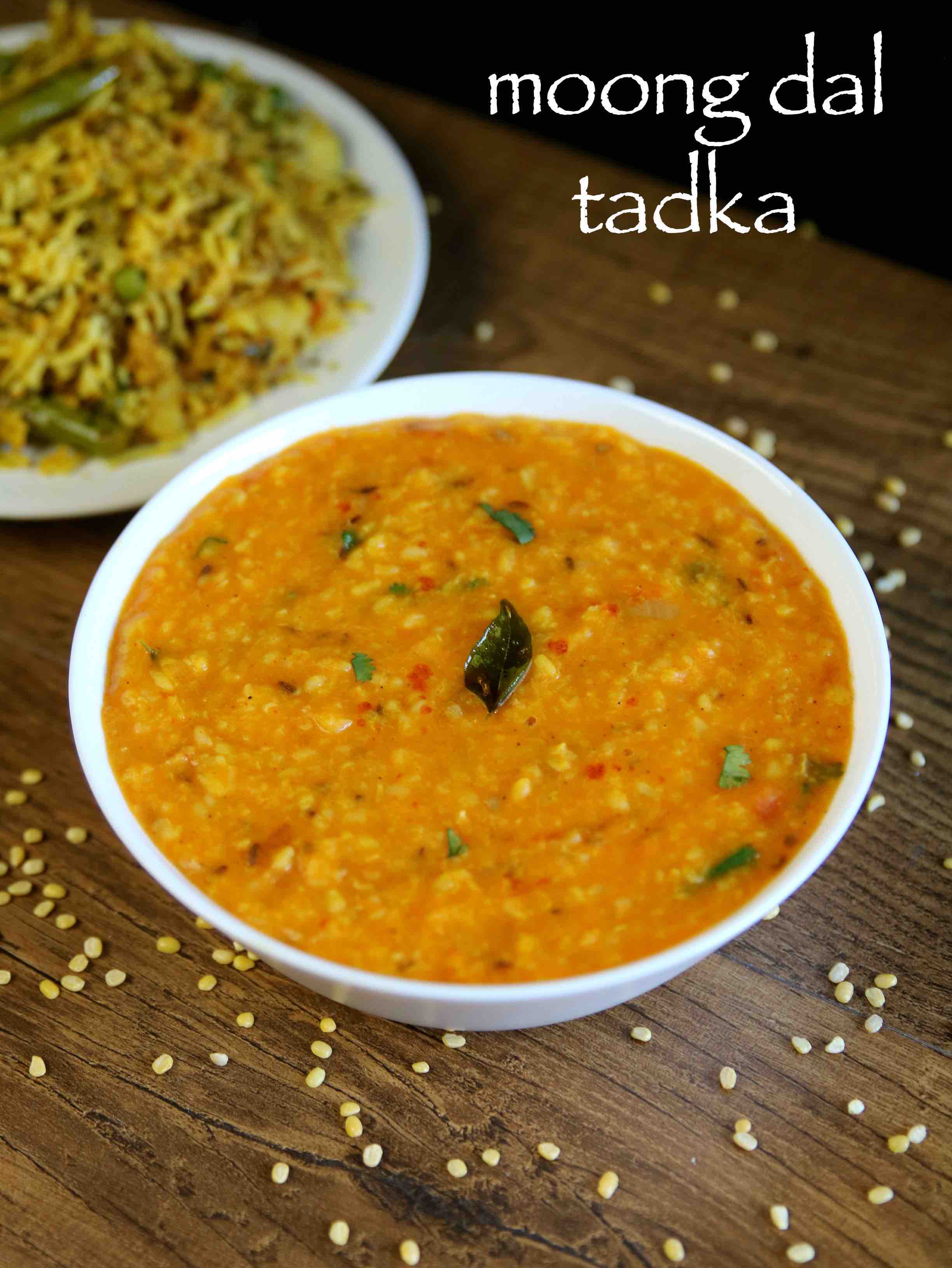
You know that feeling when you order dal at a roadside eatery in India and it hits different? It’s creamy. It’s smoky. It has this golden hue that feels like a warm hug. Then you go home, boil some lentils, and get a bowl of watery, yellow mush. It’s frustrating. Honestly, the yellow moong dal recipe is the most basic thing in Indian cooking, yet it’s the one most people mess up because they treat it like a chore rather than a process.
Moong dal, or split mung beans, is the "light" lentil. Ayurveda practitioners like Dr. Vasant Lad often suggest it as the most digestible legume for the human body. Because it’s been skinned and split, it doesn't have the heavy lectins found in kidney beans or chickpeas. But "light" shouldn't mean "boring." If your dal tastes like hospital food, you’re skipping the chemistry that makes Indian food elite. Also making headlines lately: Why Elon Musk Ditched the Morning Donuts For Steak and Eggs.
The Secret is in the Soak (And the Scum)
Stop throwing the lentils straight into the pressure cooker. Just stop.
Even though yellow moong dal is tiny and cooks fast, soaking it for at least 20 minutes does two things. First, it hydrates the starch, which leads to a creamier texture. Second, it helps remove phytic acid. You’ll notice when you start to boil the dal, a white, frothy foam rises to the top. Professional chefs call this "scum." Most home cooks just leave it in. Don't. Skim it off with a spoon. It makes the final flavor much cleaner. Further information into this topic are detailed by The Spruce.
If you’re using a traditional pressure cooker or an Instant Pot, the ratio of water to dal is usually 3:1. But here’s a tip: use 2.5 parts water during the boiling phase and save the rest for adjusting the consistency later. You can always add water, but you can’t take it away without overcooking the lentils into a paste.
Mastering the Yellow Moong Dal Recipe Tempering
The "Tadka" or "Chonk" is where the soul lives. This is not just a garnish; it’s a flavor extraction technique. You’re using hot fat to pull the essential oils out of spices.
Ghee is non-negotiable here. Sure, you can use oil if you’re vegan, but you’ll lose that nutty, caramel-like undertone that defines a good yellow moong dal recipe. Heat the ghee until it’s shimmering. Drop in your cumin seeds. If they don't sizzle immediately, your fat isn't hot enough.
The Aromatics Phase
Once the cumin is dancing, add finely chopped ginger and green chilies. Garlic is optional—some traditional Brahmin recipes avoid it—but if you want that restaurant punch, use a lot of it.
Most people burn their turmeric. It’s a common mistake. Turmeric is fat-soluble, but it burns in seconds. Always add your powdered spices (turmeric, red chili powder, and maybe a pinch of coriander powder) after you’ve sautéed your onions or tomatoes, or just as you’re about to pour the tadka into the dal.
The Tomato Debate: To Add or Not?
Some people swear by a "plain" yellow dal with just ginger and cumin. Others want the tang of tomatoes. If you use tomatoes, cook them until they are completely mushy and the ghee starts to separate from the sides of the pan. This is called bhuna. If you see oil droplets on the edges, you’ve succeeded. If the tomatoes still look like distinct chunks, your dal will taste "raw."
Wait.
Did you add salt? Salt your lentils while they boil, not just at the end. Lentils are like pasta; they need to absorb the seasoning while the cell walls are breaking down.
Smoking the Dal (The Dhungar Method)
If you want to go from "good" to "legendary," you need to smoke it. This is the secret of the dhabas. Take a small piece of natural charcoal and heat it on an open flame until it’s red hot. Place a small steel bowl or a piece of aluminum foil on top of your cooked dal. Put the hot charcoal in the bowl, pour a teaspoon of ghee over the coal, and immediately cover the pot with a heavy lid.
Let it sit for five minutes. The smoke gets trapped and infuses the dal with a primitive, earthy aroma that no spice can replicate. This is how you win at the yellow moong dal recipe game.
Common Blunders to Avoid
- Overcooking: You want the dal soft, but not a liquid puree. You should still be able to see the faint shape of the lentils.
- Cold Water: Never add cold water to hot dal to thin it out. It "shocks" the lentils and ruins the emulsification. Use boiling water.
- Skimping on Acid: A squeeze of fresh lime juice at the very end—after the heat is off—is what cuts through the richness of the ghee. Without it, the dish feels heavy.
Scaling and Storage
Moong dal thickens as it sits. If you’re making this for meal prep, keep it slightly thinner than you think you need. By the next morning, it will have turned into a thick custard. To reheat, add a splash of water and a fresh pinch of salt.
This dal is surprisingly high in protein—about 14 grams per cooked cup. It’s also rich in potassium and magnesium. It’s the ultimate recovery food. Whether you’re getting over a cold or just had a long day at the office, this is the meal that fixes things.
Actionable Steps for Your Next Batch
- Soak your yellow moong dal for 20 minutes in lukewarm water.
- Boil with turmeric and salt, skimming off the white foam as it appears.
- Prepare the tadka in a separate small pan using ghee, cumin, hing (asafoetida), and plenty of minced garlic.
- Finish with a handful of fresh cilantro (coriander leaves) and a massive squeeze of lemon.
- Serve with hot basmati rice or a charred roti. If you’re feeling extra, serve a side of spicy mango pickle.