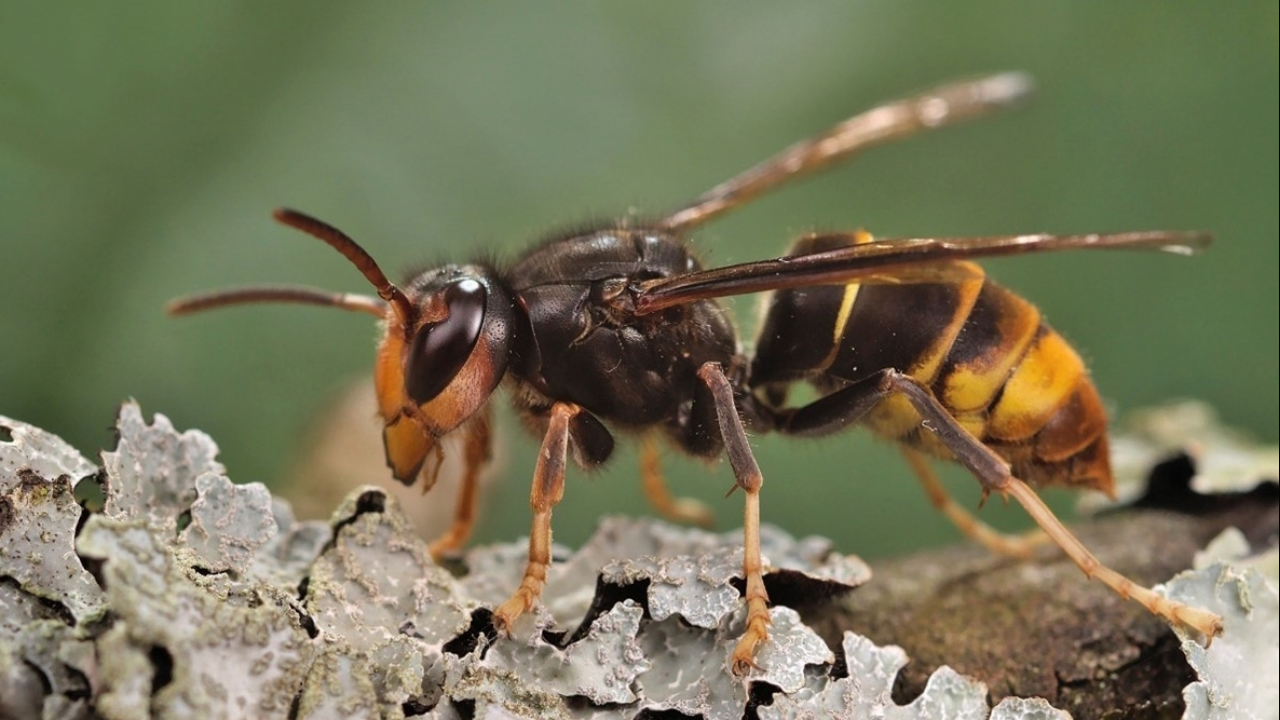
A single insect changed everything for American beekeepers back in late 2023. State agricultural officials confirmed the first live detection of a yellow-legged hornet in the wild near Savannah, Georgia. Most people scrolled past the headline. That was a mistake.
Beekeepers didn't scroll past it. They panicked. And for good reason. In related updates, take a look at: What Everyone Gets Wrong About the July 2024 Bangladesh Uprising.
This predator doesn't just annoy local wildlife. It hunts honeybees by hovering outside hives, snatching workers out of the air, and decapitating them to feed protein to its larvae. If you care about honey production, pollination, or the price of fresh produce at your local grocery store, you need to understand why this specific bug keeps scientists awake at night. Let's look at what actually happened in Georgia, why this invader is so dangerous, and what you can do if you spot one buzzing around your backyard.
The Savannah Discovery That Started the Alarm
In August 2023, a sharp-eyed beekeeper in Georgia noticed something strange near Savannah. The insect looked different from the native wasps and hornets buzzing around the yard. It had distinctive yellow lower legs, an orange-brown face, and dark body segments. NBC News has provided coverage on this important issue in extensive detail.
The beekeeper did the right thing. They took a photo, caught the specimen, and reported it immediately to the Georgia Department of Agriculture. State and federal entomologists rushed to the site. They analyzed the insect and confirmed it was Vespa velutina, commonly known as the yellow-legged hornet.
This marked the very first time a live specimen of this species was found thriving in the wild anywhere in the United States. Previous alerts involved dead hornets or entirely different species, like the northern giant hornet. But this one was alive, hunting, and dangerously close to commercial agricultural hubs.
Why the Yellow-Legged Hornet Terrifies Farmers
You might wonder why entomologists lose their minds over one bug. Insects arrive in cargo ships and shipping containers all the time, right? True. But the biological profile of the yellow-legged hornet makes it uniquely catastrophic for local ecosystems.
Honeybees in Asia evolved alongside this predator for thousands of years. Asian honeybees developed defensive behaviors, such as forming a tight "heat ball" around an invading hornet to cook it alive. American honeybees have zero evolutionary defenses against this hunting strategy.
When a yellow-legged hornet finds a managed beehive, it camps out. It picks off foraging bees one by one until the entire colony collapses from stress and starvation.
Commercial agriculture relies heavily on managed honeybee colonies traveling across state lines to pollinate crops like apples, almonds, blueberries, and melons. A widespread invasion could devastate crop yields and spike food prices. It is a slow-moving agricultural disaster multiplier.
Spotting the Enemy Distinguishing the Yellow-Legged Hornet
Misidentification causes massive headaches for wildlife agencies. Every time an alert goes out, panicked residents flood state hotlines with photos of harmless cicada killers, bald-faced hornets, and paper wasps.
Let's clear up the confusion right now.
The yellow-legged hornet is slightly smaller than the northern giant hornet. Workers measure around an inch long. Their standout feature is right there in the name: bright yellow or bright orange lower legs that contrast sharply against dark brown or black bodies. Their abdomens are dark with thin yellow-orange bands on the rear segments.
They build massive, pear-shaped paper nests high up in the canopy of deciduous trees during the spring and summer. These colonies can house thousands of aggressive workers by the time autumn rolls around.
If you see a large wasp hovering outside a beehive like a hummingbird, pay close attention. Take a clear photo from a safe distance if you can, but do not try to swat it or knock down the nest yourself.
What Agricultural Authorities Did Next
Finding one hornet means a colony is likely nearby. Georgia agriculture officials launched an aggressive tracking and trapping campaign immediately following the Savannah discovery.
Teams fanned out across Chatham County. They deployed specialized traps baited with sweet liquids to catch flying hornets. More importantly, they used harmonic radar and visual tracking. Officials captured live hornets, attached tiny, lightweight radio transmitters to them using dental wax, and released them. Then they followed the signal back through the dense coastal brush to locate the active nests.
Destroying the primary nest is the only way to stop a local population from exploding. State and federal partners coordinated quick eradication efforts to wipe out the threat before local queens could disperse and found new colonies the following spring.
What You Should Do If You Spot One
You don't have to be a professional entomologist to help monitor invasive species. Citizen science plays a massive role in stopping pest introductions before they turn into permanent infestations.
If you live in the American Southeast—or travel there frequently—keep your eyes open.
- Document everything: Snap a clear picture if you spot a suspicious insect. Scale matters, so try to include a coin or a leaf for comparison if possible without risking a sting.
- Note the location: Write down the exact GPS coordinates or a detailed street description of where you saw the insect and what it was doing.
- Report it immediately: Do not post it to social media first. Contact your local state department of agriculture or university extension office directly. Most states have an online reporting portal specifically for invasive pests.
- Prioritize safety: Hornets defend their nests aggressively. Never disturb a suspected nest, and step away if hornets start circling you defensively.
Invasive species thrive when everyday people assume someone else will handle the problem. Take a second to look closer at the bugs in your garden. Your local beekeeper will thank you.