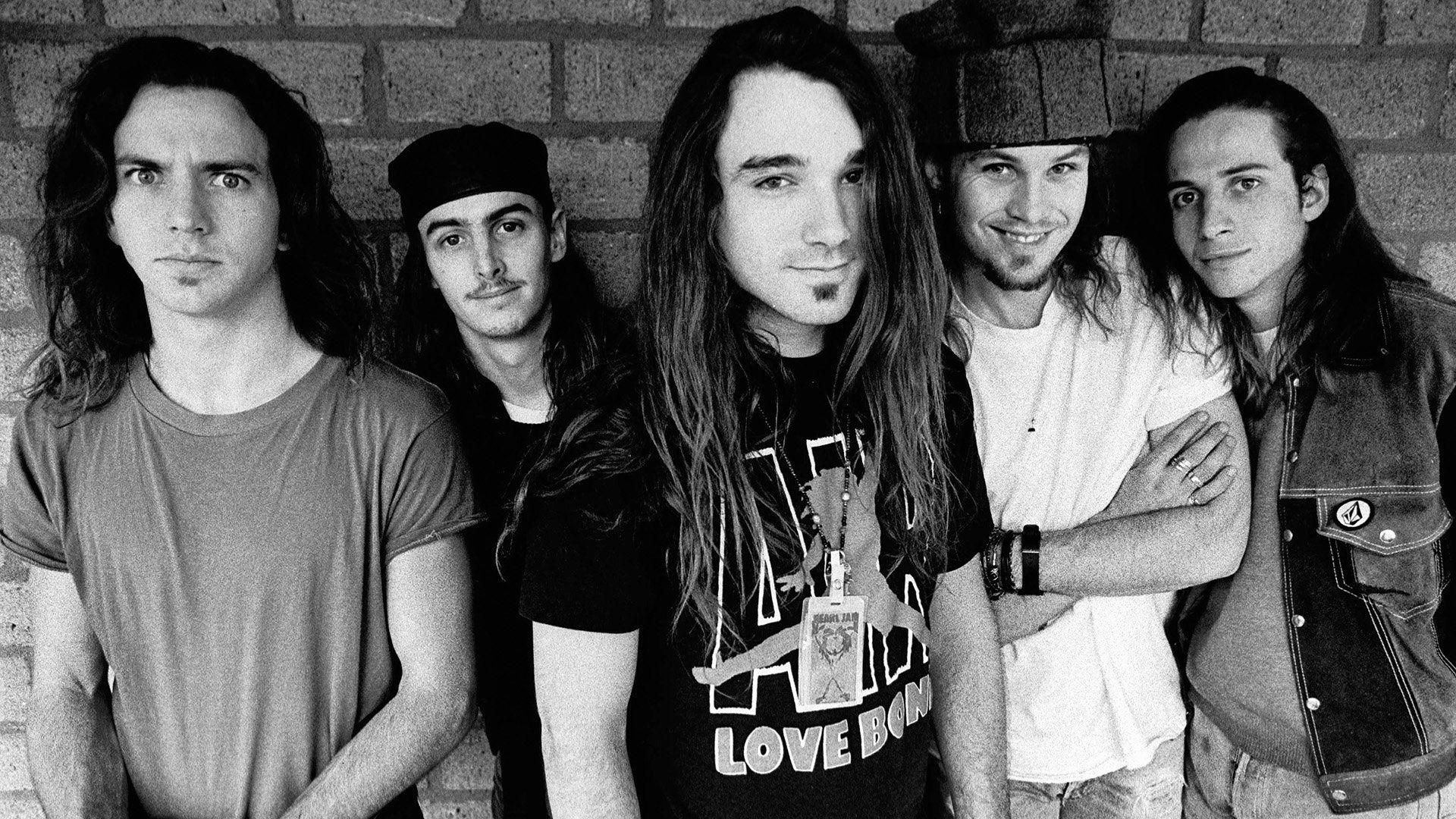
It is the most famous song that nobody can actually sing. You know the one. It starts with that Hendrix-inspired, chime-like guitar lick that feels like a warm blanket on a rainy Seattle afternoon. Then Eddie Vedder’s voice kicks in, a soulful, gravelly mumble that sounds like he’s trying to swallow the lyrics while simultaneously mourning a lost friend. Most people just make up their own words. "On a ceiling... on a Porsche... Anna Nicole's on a cereal box." We've all been there, squinting at the speakers trying to decipher the code of Yellow Ledbetter.
Honestly, the fact that we don't know the "real" lyrics to Yellow Ledbetter is exactly why it’s a masterpiece. It’s one of the few instances in rock history where a B-side—a song literally tossed onto the back of the "Jeremy" single—became more iconic than the hits it was meant to support. Pearl Jam didn't even put it on Ten. They left it on the cutting room floor, only for it to become the definitive closing anthem of their live sets for over three decades. Recently making headlines in this space: The Anatomy of Manufactured Rage: Technical Substitution in High-Budget Performance Architecture.
The Mystery of the Lyrics: Does It Even Have Words?
If you go looking for an official lyric sheet for Yellow Ledbetter, you’re going to be disappointed. There isn't one. Mike McCready, the man responsible for that soaring guitar work, has basically confirmed that Eddie Vedder changes the lyrics almost every time they play it. It’s fluid. It’s jazz disguised as grunge.
The song was born out of a jam session during the Ten recording sessions in 1991. The music came first. McCready was channeling his inner Jimi Hendrix—specifically "Little Wing" and "May This Be Love"—creating a swirling, psychedelic atmosphere. When Vedder stepped up to the mic, he was improvising. Further information into this topic are detailed by E! News.
Despite the mumbles, there is a core narrative that fans and biographers have pieced together over the years. It’s not a happy story. The general consensus is that the song is an anti-war anthem, specifically inspired by the First Gulf War. The "Ledbetter" in the title is widely believed to be a nod to Tim Ledbetter, an old friend of Vedder’s from Chicago. The story within the song involves a man receiving a "yellow" letter—a telegram or notification—informing him that his brother has died in the war. He then walks by a house with an American flag, and the people there look at him with judgment because of his "grunge" appearance, failing to realize he’s a grieving brother of a fallen soldier.
"I don't know whether I was the boxer or the bag," Vedder once sang in a live version, highlighting the song's constant state of evolution.
The lack of concrete lyrics allows the listener to project their own grief, nostalgia, or confusion onto the melody. It’s a rare trick. Most songs tell you how to feel; Yellow Ledbetter asks you how you feel and then gives you a soundtrack for it.
Why the Guitar Work Is the Real Star
We can’t talk about Yellow Ledbetter without talking about Mike McCready’s Stratocaster. While Kurt Cobain was stripping rock back to its raw, punk-rock bones, McCready was single-handedly keeping the flame of the 1960s guitar god alive.
The opening riff is iconic. It’s clean, yet slightly overdriven, using double-stops and hammer-ons that require a specific kind of "loose" technique. If you play it too perfectly, it sounds wrong. It needs that "Hendrix thumb" over the top of the neck to catch those low bass notes while the fingers dance around the E-major scale.
McCready has often mentioned that the solo at the end of the song is his favorite part of the night. Because the song usually ends the show, he has the freedom to go wherever he wants. Some nights it’s a bluesy, slow burn. Other nights it’s a frantic, feedback-heavy wall of sound. This improvisational spirit is what kept Pearl Jam from burning out like so many of their contemporaries. They weren't just playing a setlist; they were having a conversation with the audience through their instruments.
The B-Side That Conquered Radio
Usually, B-sides are for the die-hards. They are the rarities tucked away on CD singles that you had to hunt for at a Tower Records. But Yellow Ledbetter took on a life of its own. By 1994, radio stations started playing it as if it were a lead single.
It eventually landed on the 2003 rarities collection Lost Dogs, but by then, it had already peaked at number 21 on the Billboard Mainstream Rock Tracks chart. Think about that: a song with no official lyrics, no music video, and no "album" home became a Top 30 rock hit.
It’s the ultimate "vibe" song. It captured the mid-90s zeitgeist of disillusioned youth better than many of the high-production hits of the era. It felt honest. It felt like something that wasn't supposed to be heard, which, of course, made everyone want to hear it more.
Common Misconceptions and the "Misheard Lyrics" Phenomenon
You’ve seen the videos. The "Misheard Lyrics" YouTube clips for Yellow Ledbetter are legendary. "Make me fries," "Potato wave," "I wanna leave the Bennigans." While it's funny, it actually points to a deeper truth about Eddie Vedder’s vocal style.
Vedder’s "mumble" wasn't a gimmick. In the early 90s, he was incredibly shy and often overwhelmed by the sudden fame of Ten. The vocal delivery on Yellow Ledbetter is a form of emotional shielding. He’s feeling the words more than he’s saying them. If you listen to the live version from the "Tibetan Freedom Concert," you can hear the pain in his voice even if you can't transcribe the sentences.
Another misconception is that the song is about a breakup. While some lines suggest a "long-distance call," the overarching theme of the "yellow" letter and the "red, white, and blue" flag points much more strongly toward the military/grief narrative. Vedder has always been politically active, and this was his first real attempt at processing the human cost of conflict through his lyrics.
The Legacy of a Song That Never Ends
For many fans, the real version of Yellow Ledbetter isn't the studio recording. It’s the one they heard at the end of a three-hour Pearl Jam marathon. It’s the house lights coming up, the band tossing guitar picks into the crowd, and the feeling of community that defines the Pearl Jam experience.
The song has become a ritual. It’s a signal that the night is over, but also a reminder that some things remain unfinished. Just like the lyrics, our interpretation of our own lives is often blurry and subject to change.
If you’re a guitar player, or just someone who loves the history of the Seattle scene, there are a few things you can do to truly appreciate the depth of this track:
- Listen to the "Lost Dogs" version side-by-side with a 1992 live bootleg. You’ll notice how the tempo and the "shape" of the vocals have shifted over time.
- Study Mike McCready’s use of the "E Major" pentatonic scale. It’s a masterclass in how to make a guitar "sing" without using too many notes.
- Don't look for the "right" lyrics. Stop scrolling through Genius or AZLyrics. Next time the song comes on, just hum along. Invent your own story. That is exactly what Eddie Vedder intended.
The power of Yellow Ledbetter lies in its mystery. In an era where every detail of an artist's life is available on social media and every lyric is explained in a "behind the scenes" video, having a song that remains genuinely cryptic is a gift. It belongs to the listeners now. It’s a song about a letter, a war, a friend, or maybe just a feeling you can't quite put into words. And honestly? That's more than enough.
To get the most out of the Pearl Jam experience, track down the "Vault" series of live recordings. These are direct-from-the-soundboard releases that capture the song in various cities over the decades. You’ll hear it evolve from a quiet B-side into the roaring, stadium-filling anthem it is today. Pay close attention to the 1994 "Orpheum Theater" version—it’s widely considered one of the most emotional performances of the song ever captured.



