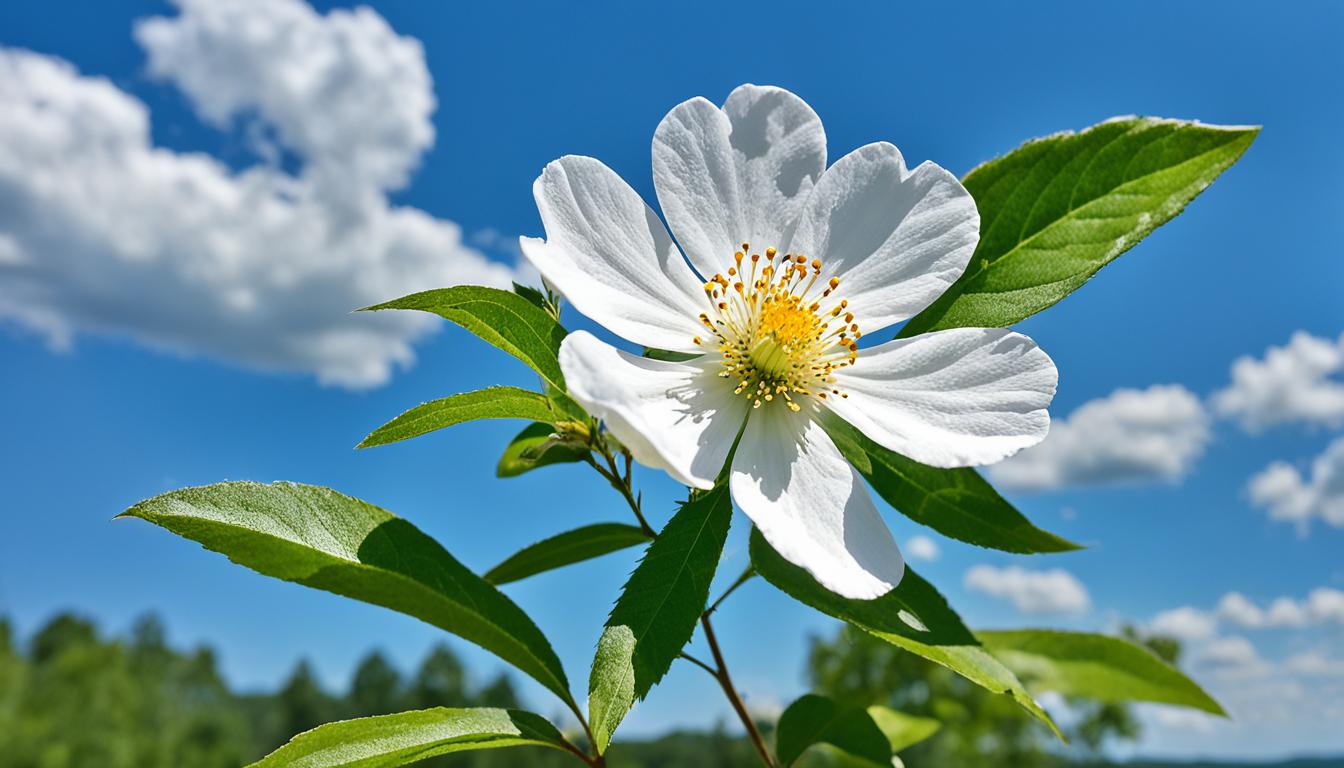
You’ve probably seen it draped over backyard fences or strangling a mailbox in late February. It’s that shock of neon yellow that screams "spring is here" while the rest of the garden is still hungover from winter. In South Carolina, we call it the Yellow Jessamine. Formally, it's Gelsemium sempervirens. If you’re driving down I-26 or wandering through the Lowcountry woods when the air finally loses its bite, you can’t miss it. It’s the state flower of sc, and honestly, it’s got a bit of a reputation.
It’s beautiful. It’s fragrant. It’s also surprisingly lethal if you decide to snack on it.
Most people just see a climbing vine with funnel-shaped blooms. But for South Carolinians, this plant is a bit of a survivor, much like the people here. It was officially adopted back in 1924, mostly because it grows everywhere from the Blue Ridge Mountains down to the salt marshes of Beaufort. It doesn't care about your soil quality. It just wants to climb.
Why South Carolina Picked the Yellow Jessamine
Back in the 1920s, the General Assembly wanted something that represented the state’s resilience. They didn't want a hothouse flower that needed constant coddling. They chose the Yellow Jessamine because it’s "indigenous to every nook and corner of the State." That’s the official wording from the 1924 act. They liked that its yellow color suggested "pureness and gold" and its fragrance was "a welcome to the visitor."
But let’s be real for a second.
The decision wasn't just about aesthetics. In the post-Civil War era and moving into the early 20th century, southern states were obsessed with branding themselves through nature. The Jessamine (often misspelled as Jasmine, though they aren't the same thing) was perfect. It’s a "pioneer" species. It’s usually one of the first things to bloom after a cold snap, often showing up in late January or early February. It signals hope. It tells you that the humid, sticky, glorious Carolina summer is on its way.
Identifying the Real State Flower of SC (And Avoiding the Fakes)
If you're out hiking in Congaree or just walking your dog in a Columbia suburb, you might confuse it with other yellow flowers. Don't.
First off, look at the leaves. They are lance-shaped, shiny, and evergreen. That’s a big deal. While other vines go brown and crispy in December, the state flower of sc stays green. The flowers themselves are about an inch long, shaped like a trumpet or a funnel. They usually grow in clusters.
One major point of confusion is the Carolina Jessamine versus the Confederate Jasmine. The latter has white, star-shaped flowers and a much heavier, almost cloying scent. The Yellow Jessamine is more subtle. It smells like a mix of honey and expensive soap, but only if you get close enough.
The Toxic Side of Beauty
Here is the part most tourist brochures skip over. Every single part of the Gelsemium sempervirens is poisonous. We’re talking "call poison control" poisonous. It contains alkaloids like gelsemine and gelseminine.
- The nectar is toxic to honeybees if they take too much of it (though they usually know better).
- Livestock have died from grazing on the vines during lean winters.
- Children have been poisoned just by sucking the nectar out of the tubular flowers—something people used to do with honeysuckle.
Don't do that. It’s a paralyzant. It can literally stop your breathing if you ingest enough. It’s a classic "look but don't touch" situation. Or rather, "touch but don't taste."
Growing Yellow Jessamine in Your Own Yard
If you want to plant the state flower of sc, you need to know it’s a bit of a bully. It’s a vigorous grower. If you put it near a small, delicate shrub, the Jessamine will win. It climbs by twinings, meaning it wraps its stems around anything it can reach.
It loves full sun. It’ll grow in the shade, sure, but you won't get that "wall of gold" effect. In the shade, it gets leggy and thin. If you want the Instagram-worthy explosion of yellow, give it at least six hours of direct sunlight.
Soil-wise? It’s not picky. It prefers moist, well-drained soil, but it can handle the red clay of the Upstate and the sandy dirt of the Pee Dee. Just give it a trellis. Or a fence. Or a sturdy arbor. Just don't let it get near your gutters unless you want to be up on a ladder every six months pulling vines out of your downspouts.
The Cultural Weight of a Vine
Is a flower just a flower? Not in the South. The Yellow Jessamine is baked into the identity of South Carolina. You’ll see it on the state quarter (alongside the Palmetto tree and the Carolina Wren). You’ll see it in local art.
There’s a certain nostalgia attached to it. For many, it’s the smell of their grandmother’s porch. It’s the background noise of a Southern spring. Clemson and USC fans might argue about everything else, but nobody argues about the Jessamine. It’s just part of the landscape.
Interestingly, while it's the "state flower," it’s often overshadowed by the Palmetto tree. But the Palmetto represents war and defense (think Fort Moultrie and soft logs absorbing cannonballs). The Jessamine represents the softer side of the state—the fragrance, the hospitality, and the sheer persistence of life in the woods.
Surprising Facts About Gelsemium Sempervirens
Most people think it’s just a decorative vine. However, it has a long history in folk medicine, though you should never, ever try this at home.
- Historical Use: In the 19th century, some doctors used tiny, controlled doses of the root to treat "nervous irritability" and fevers. It was extremely dangerous because the line between a "dose" and "death" was razor-thin.
- Not a True Jasmine: Despite the name, it's not in the Jasminum genus. It belongs to the Gelsemiaceae family.
- Deer Resistance: If you live in an area where deer treat your garden like an all-you-can-eat buffet, you’ll love this plant. Deer almost never touch it because of the toxicity.
- Salt Tolerance: It handles salt spray remarkably well, which is why you see it thriving on the dunes and near the coastline.
Managing the Vine: A Practical Approach
If you’ve inherited a yard that’s being swallowed by the state flower of sc, don't panic. You just need a pair of sharp loppers and some patience.
Pruning should happen right after the flowers fade in late spring. If you wait until fall or winter, you’re going to cut off next year’s buds, and you’ll have a green vine with zero yellow come February. Cut it back hard if you have to. It’s tough. It’ll come back.
If you're planting it from scratch, look for the 'Margarita' cultivar. It’s a bit more cold-hardy and has slightly larger flowers than the wild variety. It’s widely available at nurseries across the Southeast.
Actionable Insights for South Carolina Residents
- Planting: Choose a south-facing wall or fence for maximum bloom density. Ensure the structure is sturdy; a mature Jessamine vine is surprisingly heavy, especially when wet.
- Safety: Always wear gloves when pruning if you have sensitive skin, as the sap can cause irritation for some people. Keep it away from areas where pets or small children might be tempted to chew on the foliage.
- Identification: Verify the plant by its scent and evergreen leaves. If it doesn't have leaves in the winter, it isn't a Yellow Jessamine.
- Timing: Expect blooms anywhere from late January to early April depending on your specific hardiness zone within the state.
To get the most out of the South Carolina spring, visit a state park like Sesquicentennial or Table Rock in early March. You’ll see the Jessamine in its natural element, draped over pines and oaks, doing exactly what it was chosen to do over a century ago: making the state look like a masterpiece.



