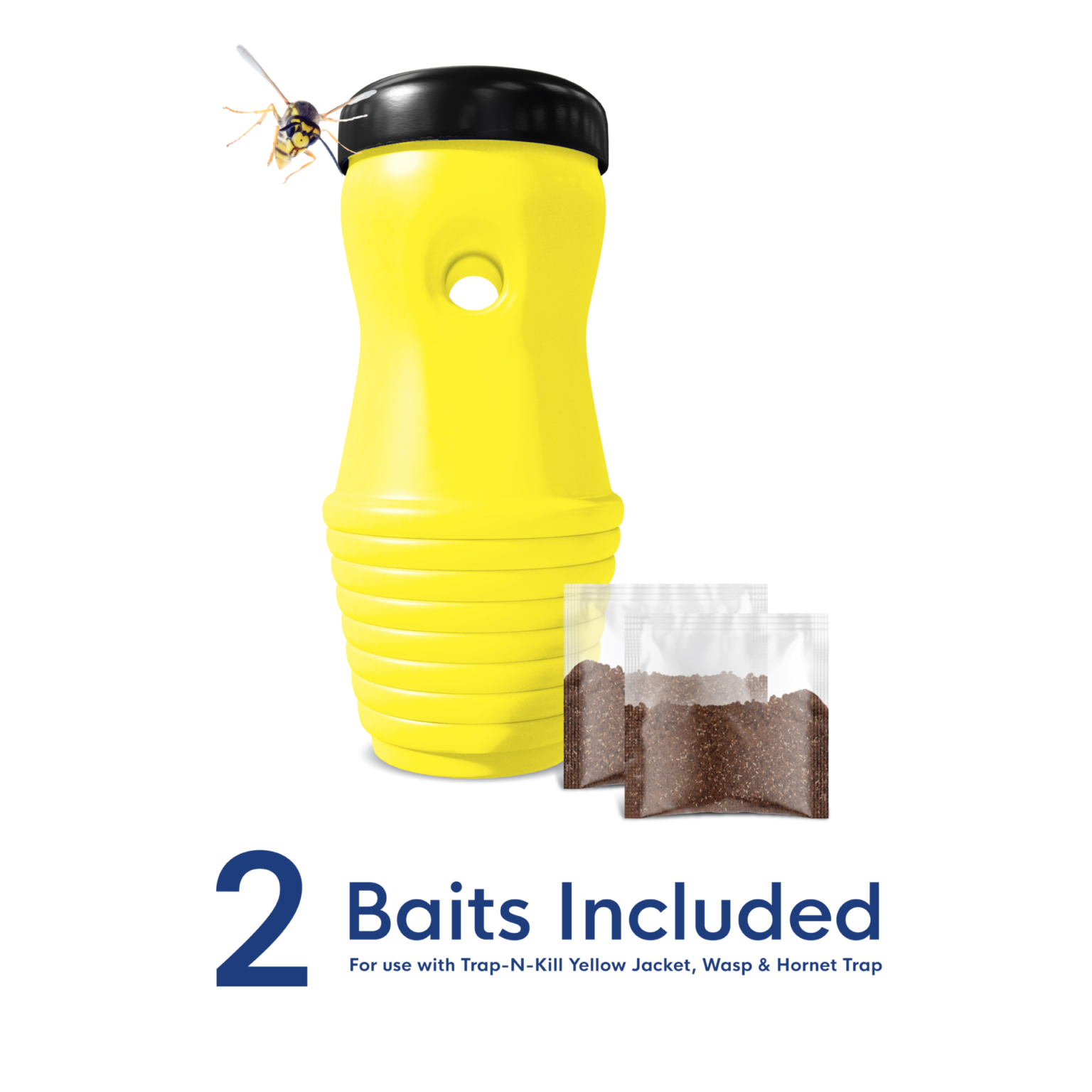
You're sitting on the back deck, burger in hand, and then you hear it. That high-pitched, frantic buzz. Before you can even react, three yellow jackets are dive-bombing your plate. It’s not just annoying; for about two million Americans with stinging insect allergies, it’s a legitimate medical emergency waiting to happen. Most people run to the hardware store, grab a plastic yellow jacket wasp trap, hang it up, and wait.
Nothing happens. In similar news, we also covered: The Miao Tree Of Life Is The Best Philosophy For Modern Burnout.
The trap sits there, clean as a whistle, while the wasps ignore it and head straight for your soda. It’s maddening. Honestly, most people fail at trapping because they don't understand that a yellow jacket’s "diet" changes based on the calendar. If you’re using sugar in June, you’ve already lost the war.
The protein vs. sugar trap mistake
Yellow jackets are weirdly seasonal eaters. Refinery29 has provided coverage on this important subject in great detail.
In the early spring and mid-summer, the queen is busy building her empire. The colony needs protein to feed the developing larvae. This is why you'll see them hovering around your grill or trying to fly off with a chunk of turkey deli meat. If you set a yellow jacket wasp trap filled with apple juice in May, they’ll probably ignore it. You need chicken, fish, or even cat food. It sounds gross, but it works.
As the season shifts into late August and September, the colony's dynamics flip. The larvae stop producing a sugary secretion that the adults rely on for energy. Suddenly, the workers are starving for carbs. This is the "angry phase" everyone hates. They become aggressive sugar-seekers. Now, your fruit juices, sodas, and jams become the gold standard for bait.
Why your bait choice matters (Real talk)
I've seen people use honey. Don't do that. You’ll end up killing honeybees, which are beneficial and generally leave you alone. Yellow jackets (Vespula species) are predatory scavengers; honeybees are pollinators. Stick to things that bees hate but wasps love, like heptyl butyrate—a chemical lure found in many commercial traps like the RESCUE! brand—which is specifically designed to ignore the "good" bugs.
Location is everything with a yellow jacket wasp trap
Where you put the trap is just as important as what's inside.
Most people hang the trap right next to their patio table. "I'll catch them before they get to me," they think. Big mistake. You've essentially just invited a swarm to your dinner party. You want to draw them away from you.
Place your yellow jacket wasp trap at least 20 feet away from where you plan to hang out. You want to create a perimeter. If you can find the flight path—the literal "highway" they use to fly from the nest to their food source—place the trap right in that line of sight.
- Height: Hang it about four to five feet off the ground.
- Sunlight: Some traps work better in the sun because the heat helps the scent of the bait waft through the air.
- Wind: Check the breeze. If the wind is blowing from the trap toward your house, you’re just pulling the wasps closer to your door.
The DIY vs. Store-Bought Debate
Store-bought traps, like the WHY (Wasp, Hornet, Yellow jacket) Trap, are engineered for a reason. They have specific entry holes that make it easy for the insect to crawl in but nearly impossible to crawl out. They use light refraction and specific colors—usually bright yellow or neon green—to trick the wasp’s compound eyes into thinking it’s a flower or a food source.
But honestly? A 2-liter soda bottle works in a pinch if you’re desperate.
You cut the top third off, flip it upside down, and nestle it back into the bottom half. Fill it with a bit of vinegar (to keep bees away), some dish soap (to break the surface tension of the water so they drown faster), and your bait. It’s cheap. It’s ugly. But it catches bugs.
However, professional-grade traps are more durable. They don't melt in the sun or tip over in a light breeze. If you're dealing with a massive infestation, the "reusable" aspect of a heavy-duty yellow jacket wasp trap is worth the fifteen bucks.
When trapping isn't enough
Let’s be real: traps are a defensive measure. They are meant to reduce the number of foraging workers. If you have a nest the size of a basketball buried in your retaining wall, a plastic trap isn't going to solve your problem.
Yellow jackets are incredibly prolific. A single nest can house up to 5,000 workers by late summer. If you’re seeing 50 wasps at a time, you have a nest nearby. Trapping is great for "social distancing" from the bugs, but it won't kill the colony.
Knowing when to call the pros
If you find a ground nest, do not—I repeat, do not—pour gasoline down the hole. It’s terrible for the environment, it’s a fire hazard, and it usually doesn't work because the nest is deeper than you think.
Expert entomologists like those at the University of California’s Integrated Pest Management (IPM) program suggest using traps as a monitoring tool. If you're catching hundreds a day, it’s time to look for the source. If you find the nest entrance, stay back. Yellow jackets can sting multiple times without dying, unlike honeybees. They also mark you with a pheromone when they sting, which tells every other wasp in the area to attack that specific spot. It’s literally a "target locked" signal.
Maintenance: The "Gross" Part
You have to clean the traps.
A yellow jacket wasp trap full of dead, rotting wasps is actually less effective. The smell of decay can eventually deter other wasps, or it just becomes a soggy mess that doesn't release the bait's scent.
Change the bait every two weeks. If you're using a meat-based bait in the summer, you might need to change it every few days before it starts smelling like a dumpster. When you do empty it, make sure all the wasps are actually dead. They can survive for a surprisingly long time submerged in water or trapped in a container.
Actionable steps for a wasp-free yard
Stop reacting and start planning. If you want to actually enjoy your backyard this year, follow this timeline. It's not a suggestion; it's the only way to beat them.
1. Start early (March/April): This is the most critical window. This is when the queens emerge from hibernation. Every queen you catch in a yellow jacket wasp trap in April is one less 5,000-wasp colony you have to deal with in August. Use a high-quality heptyl butyrate lure during this time.
2. Seal the buffet: Keep your trash cans tightly lidded. If you have fruit trees, pick up the "drops" on the ground. Fermenting peaches or apples are like a nightclub for yellow jackets.
3. Use the soap trick: If you use a DIY trap, always add two drops of liquid dish soap. Wasps are light enough to "walk" on water or float on the surface long enough to find a way out. The soap breaks the surface tension, causing them to sink and drown immediately.
4. The vinegar shield: If you're using a sugar bait (soda, fruit juice), add a splash of white vinegar. Honeybees and bumblebees are repelled by the smell of vinegar, but yellow jackets don't care. It’s the easiest way to ensure you aren't killing the pollinators.
5. Nighttime maintenance: If you need to move or empty a trap, do it at night or in the very early morning. Yellow jackets are diurnal, meaning they are inactive when it's dark. You’re much less likely to get swarmed when the sun is down.
6. Perimeter check: Walk your property once a week. Look for holes in the ground with "air traffic." If you spot a nest early, it’s much easier (and cheaper) to have a professional treat it than waiting until the nest is the size of a beach ball in September.
Trapping works, but only if you play by the wasps' rules. Switch your baits, keep your distance, and start your "search and destroy" mission before the summer heat even hits. If you wait until you're getting stung at a BBQ, you've already lost the lead.



