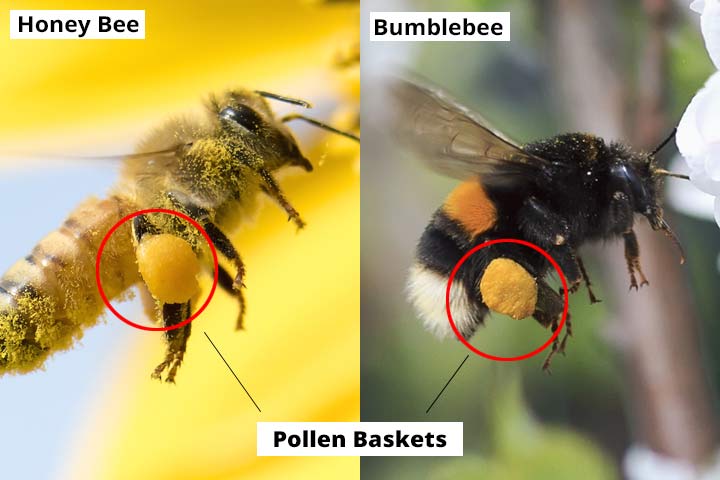
It happens fast. You’re mowing the lawn, or maybe just sipping a soda on the porch, and suddenly there’s a sharp, hot jab that feels like a cigarette burn. That’s the classic calling card of the yellow jacket. Unlike a honeybee, which leaves its stinger behind and dies, a yellow jacket is basically a tiny, flying anger-machine that can sting you over and over again. Honestly, it’s a miserable experience. But knowing exactly what to do for yellow jacket stings can mean the difference between an afternoon of mild annoyance and a week of throbbing, itchy misery.
The first thing you have to do is move. Get out of there. When a yellow jacket stings, it releases an alarm pheromone—a chemical "SOS" that tells every other wasp in the nest to come find you and join the fight. If you stand there trying to swat it away, you’re just inviting the whole squad to the party. Walk away briskly. Don't run like a maniac or flail your arms, as that just agitates them further. Just get to a safe spot, preferably indoors or inside a car, where you can actually assess the damage.
Immediate First Aid That Actually Works
Once you're safe, look at the site. You probably won't see a stinger. Yellow jackets have smooth stingers, so they usually pull them out and keep going. If by some weird fluke there is a stinger left behind, don't use tweezers. Squeezing it with tweezers can actually pump more venom into your skin from the attached venom sac. Just scrape it away with the edge of a credit card or even your fingernail.
Soap and water are your best friends right now. Wash the area thoroughly. Yellow jackets spend a lot of time scavenging in trash and on rotting fruit, so they aren't exactly the most hygienic creatures. You want to get those bacteria off your skin immediately to prevent a secondary infection.
Cooling the Fire
Ice is non-negotiable. It constricts the blood vessels, which helps keep the venom from spreading too quickly and numbs the pain. Wrap an ice pack or a bag of frozen peas in a thin towel and apply it for about 20 minutes every hour.
Don't put ice directly on your skin for too long, though. You don't want frostbite on top of a sting.
Dealing with the Swelling and Itch
The "fire" usually fades after an hour or two, replaced by a dull ache and, eventually, the dreaded itch. This is where most people mess up. They scratch. Scratching creates micro-tears in the skin, which is a literal open door for staph or strep bacteria.
You’ve got a few solid options for the itch:
- Hydrocortisone cream (1%): This is a gold standard for a reason. It knocks down the inflammation.
- Calamine lotion: Old school, but it works by cooling the skin.
- Baking soda paste: Mix a little water with baking soda until it’s thick and slather it on. It's alkaline, which some claim helps neutralize the acidic components of the venom, though the science on that is a bit mixed. Still, it feels great.
- Oral antihistamines: Something like Benadryl (diphenhydramine) or a non-drowsy option like Claritin (loratadine) can help if you’re having a significant local reaction.
The Danger Zone: When to Worry
Let's talk about the scary stuff. For most people, a yellow jacket sting is a "local reaction." It hurts, it swells, it gets red, and it goes away. But for about 5% of the population, it can be life-threatening. This is systemic allergic reaction territory, also known as anaphylaxis.
If you start feeling "weird" in ways that aren't just pain at the sting site, pay attention. Are you breaking out in hives everywhere? Is your throat feeling tight? Are you wheezing or having trouble catching your breath? These are sirens going off. According to the American Academy of Allergy, Asthma & Immunology (AAAAI), symptoms of anaphylaxis can escalate in minutes.
If you feel dizzy, nauseated, or like your heart is racing, call 911 or get to an ER immediately. If you know you're allergic and carry an EpiPen, use it. Don't wait to see if it gets worse. Use it and then go to the hospital anyway, because sometimes a "rebound" reaction happens once the epinephrine wears off.
Understanding the "Large Local Reaction"
Sometimes people think they're having an allergic reaction when they're actually just having a "large local reaction." This is super common with yellow jackets. You get stung on the forearm, and by the next day, your entire arm from wrist to elbow is red, swollen, and hot.
It looks scary. It looks like an infection. But usually, if it happens within 24 to 48 hours, it's just your immune system overreacting to the venom proteins.
The Mayo Clinic notes that these large reactions usually peak around 48 hours and then slowly fade over 5 to 10 days. If the redness starts spreading after the first two days, or if you start running a fever or see red streaks coming from the sting, that's when you call the doctor. That’s likely cellulitis (a skin infection), not just the sting itself.
Why Yellow Jackets Are Different
You might wonder why these things are so much worse than a typical bee. It’s the venom chemistry. Yellow jacket venom contains a mix of "pain-producing" chemicals like kinins and various enzymes that break down cell membranes.
They are also incredibly aggressive in late summer and early fall. Their food sources are drying up, and they get "hangry." While they usually hunt insects earlier in the year, by August and September, they’re hunting your ham sandwich and your soda. Because they nest in the ground, it’s incredibly easy to accidentally step on one or run over a nest with a mower.
Natural Remedies: Fact vs. Fiction
People swear by all sorts of home cures. Vinegar? Maybe. Onion slices? Some people love them. Meat tenderizer? This one actually has some logic to it. Meat tenderizers often contain papain, an enzyme from papaya that breaks down proteins. Since venom is made of proteins, the idea is that the tenderizer "digests" the venom.
If you want to try it, make a paste with a little water and apply it immediately. If the sting is already an hour old, it won't do much because the venom is already deep in your tissue.
Honestly, skip the "mud" remedy. Putting dirt on an open puncture wound is a fantastic way to get an infection. Stick to the medicine cabinet or the baking soda.
Prevention for the Future
If you have a nest in your yard, don't try to be a hero with a can of spray and a flashlight at noon. Yellow jackets are active during the day. If you must do it yourself, wait until the dead of night when they are all inside the nest and drowsy. Better yet, call a pro. Ground nests can house thousands of wasps, and if they all come out at once, it’s a genuine medical emergency.
When eating outside, keep your drinks covered. Yellow jackets love to crawl into soda cans. Taking a swig and getting stung on the tongue or back of the throat is a nightmare scenario because the swelling can block your airway, even if you aren't allergic.
Actionable Steps for Recovery
- Elevate the limb: If you were stung on the leg or arm, keep it raised. It helps significantly with the throbbing and prevents fluid from pooling.
- Monitor for 72 hours: Keep a mental (or literal) note of how the redness is moving. If you want to be precise, draw a circle around the red area with a Sharpie. If the redness expands way past that line after the second day, call your GP.
- Avoid Tight Clothing: Anything rubbing against the sting site will make the itch and irritation ten times worse.
- Hydrate: It sounds generic, but keeping your fluid intake up helps your body process the toxins slightly faster.
- Ibuprofen over Acetaminophen: While Tylenol helps with pain, Advil or Motrin (ibuprofen) is an anti-inflammatory. It actually addresses the swelling at the source rather than just masking the hurt.
Managing a sting is mostly about patience and resisting the urge to itch. Most of the time, you'll be fine in a few days, but staying vigilant about those "all-body" symptoms is what keeps a bad day from becoming a tragedy.