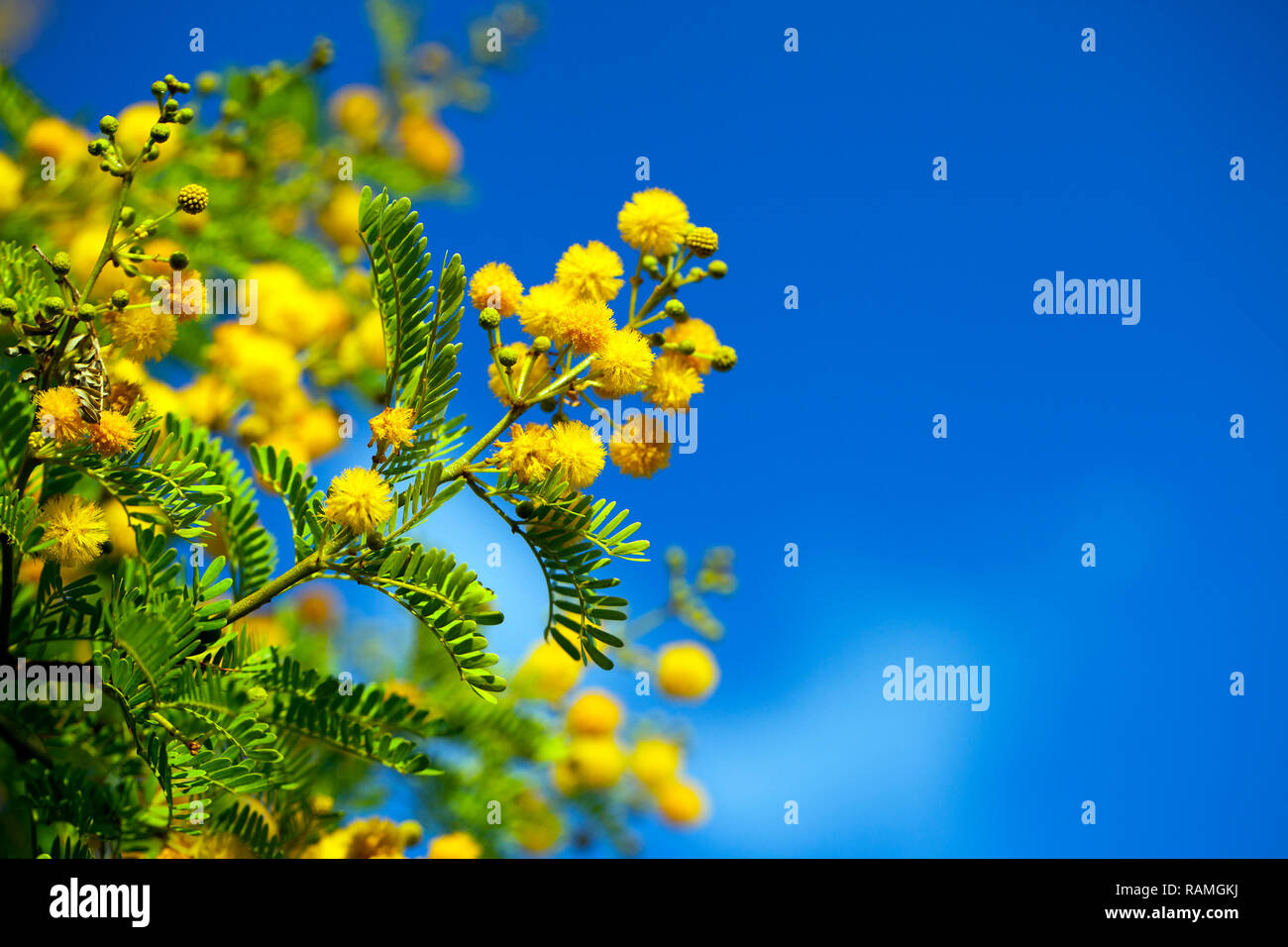
Adding a splash of sunshine to a dark corner isn't just about paint or lighting. Honestly, it’s about the plants. We've all seen the Pinterest boards full of lush greenery, but there's something fundamentally different about house plant yellow flowers. They change the vibe. They make a room feel alive in a way a snake plant just can't quite manage.
Yellow is a tricky color in the botanical world. It’s a signal. It’s a bright, unapologetic "look at me." But here is the thing: most people fail with yellow-flowering indoor plants because they treat them like foliage plants. They aren't. They’re high-energy producers.
Why Your Yellow Flowers Keep Dropping (and How to Fix It)
Most people buy a Kalanchoe or a Begonia, put it on a coffee table five feet from a window, and wonder why the buds shrivel. Light is everything. For a plant to produce pigment—especially that intense xanthophyll responsible for yellow hues—it needs serious "fuel."
I’ve seen it a thousand times. A beautiful Hibiscus rosa-sinensis arrives from the greenhouse looking like a literal sunburst. Two weeks later? It’s a stick with some sad green leaves.
The issue is often the "Inverse Square Law" of light. If you move a plant twice as far from a window, it receives only one-fourth of the light. For yellow bloomers, you really need to be within two feet of a south-facing window. Or, you’ve got to get comfortable with high-quality LED grow lights.
Don't ignore the humidity, either. Most yellow flowering plants originate from tropical or sub-tropical zones. Our dry, HVAC-blasted living rooms are essentially deserts to them. If the air is too dry, the plant will "abort" its flowers to save water for the roots. It’s a survival mechanism. Basically, the plant decides that looking pretty isn't worth dying for.
The Heavy Hitters: House Plant Yellow Flowers That Perform
If you want success, you have to pick the right species. Not every "yellow" plant is built for the indoors.
The Resilient Kalanchoe (Kalanchoe blossfeldiana)
These are the workhorses of the yellow floral world. They are succulents. That means they don't mind if you forget to water them for a week while you're on a binge-watching spree.
Kalanchoes are "short-day" plants. This is a bit of a nerd-fact, but it matters. They only bloom when they get long periods of uninterrupted darkness. If you keep your living room lights on until midnight, your Kalanchoe might never re-bloom. It needs that "seasonal" trigger. Try putting it in a dark closet for 14 hours a day for about six weeks in the winter. It sounds crazy. It works.
Yellow African Violets (Saintpaulia)
Let’s be real: "yellow" African Violets are rarely a deep, school-bus yellow. They are more of a creamy, buttery lemon. But they are fascinating.
For decades, a true yellow African Violet was the "Holy Grail" for breeders. In 1989, Nolan Blansit finally cracked the code. Since then, varieties like 'Majesty' and 'Warm Sunshine' have become available. They are finicky. They hate cold water on their leaves. They want consistent moisture but will rot if they sit in a puddle. Use a wick-watering system if you’re prone to forgetting your watering schedule.
The Golden Shrimp Plant (Pachystachys lutea)
This is the one that gets people talking. It looks like something out of a sci-fi movie. The "flowers" are actually bright yellow bracts (specialized leaves) that stacked on top of each other like scales. The actual flowers are small, white, and poke out from the sides.
It needs warmth. If your house drops below 60°F, this plant will pout. Hard. It also needs a lot of "food." Use a high-phosphorus fertilizer during the growing season to keep those yellow spikes coming.
Anthurium 'Yellow'
You’re probably used to the bright red, waxy Anthuriums in grocery stores. But the yellow cultivars, like 'Princess Alexia Yellow', are stunning. They have that same plastic-like sheen.
They are epiphytes in the wild. This means they grow on trees, not in thick soil. If you pot them in heavy, dense potting mix, you’ll kill them. Use an orchid bark mix. Let the roots breathe.
The Science of Yellow: Why it Matters for Your Mood
There’s actual data behind why we crave these colors. A study published in the Journal of Physiological Anthropology found that interaction with indoor plants can reduce physiological and psychological stress. But color theory takes it further.
Yellow is processed by the eye quickly. It’s the most visible color of the spectrum. In a world that feels increasingly gray or "corporate," a house plant yellow flower acts as a visual dopamine hit.
Dr. Roger Ulrich, a pioneer in evidence-based design, has shown that even a view of plants can speed up recovery times for hospital patients. Imagine what a vibrant yellow hibiscus can do for your Monday morning brain fog. It’s not just "decor." It’s a biological hack.
Common Misconceptions About Yellow Blooms
One big myth is that yellow leaves and yellow flowers are the same thing. They aren't.
If your leaves are turning yellow (chlorosis), your plant is screaming for help. Usually, it’s overwatering or a nitrogen deficiency. But if the flowers are yellow, that’s just genetics.
Another misconception? That all yellow flowers smell good.
- Fact: Many yellow flowers have zero scent.
- Reality: Some, like certain jasmine varieties, are intoxicating.
- Warning: Some succulents with yellow flowers actually smell like rotting meat to attract flies for pollination. Check the variety before you sniff.
Maintenance Secrets for Longevity
You can't just set it and forget it. To keep those yellow hues vibrant, you need to "deadhead." This is just a fancy gardening term for pinching off dead flowers.
When a flower dies, the plant starts putting energy into making seeds. You don't want seeds. You want more flowers. By cutting off the faded blooms, you trick the plant into thinking it failed its mission, so it tries again by producing another bud.
Also, watch out for spider mites. They love the tender tissues of flowering plants. If you see tiny webs or speckled leaves, give the plant a shower. Literally. Put it in the bathtub and spray it down with lukewarm water.
Specific Care Profiles: A Quick Reference
Hibiscus (The Sun-Lover)
- Light: 6+ hours of direct sun.
- Water: Keep it damp, never soggy.
- Vibe: High maintenance but worth the "wow" factor.
Begonia 'Yellow' (The Shade-Seeker)
- Light: Bright, indirect. Direct sun will scorch the leaves.
- Water: Let the top inch of soil dry out.
- Vibe: Vintage, classy, a bit fragile.
Bromeliads (The Modernist)
- Light: Medium to bright.
- Water: Pour water into the central "cup" of the plant.
- Vibe: Architectural and incredibly easy to care for.
Making the Choice
If you're a beginner, start with a Kalanchoe. It’s almost bulletproof. If you have some experience and a very sunny window, go for the Hibiscus.
I personally love the Golden Shrimp Plant because it stays in bloom for months. It’s not a "flash in the pan" flower. It’s a commitment.
Remember that these plants are living things. They have rhythms. They have "off" seasons. Don't throw a plant away just because it stopped flowering for a month. Give it some rest, dial back the water, and wait for the next cycle.
Taking Action: Your Next Steps
- Check your windows. Figure out which way they face. Use a light meter app on your phone. If you don't have at least 2,000 lux, you’ll need a grow light for most yellow flowers.
- Inspect the soil. Most yellow flowering plants come in "peat-heavy" nursery soil that stays too wet for too long once it's in your house. Consider repotting into a mix with added perlite or bark.
- Get a fertilizer. Look for a "Bloom Booster" with a high middle number (Phosphorus). Something like a 10-30-10 N-P-K ratio.
- Group your plants. Putting a few plants together creates a micro-climate of higher humidity. It’s a simple trick that keeps the buds from drying out.
Stop settling for just green. A yellow-flowering plant is a commitment to a brighter space. It requires a bit more attention, sure, but the payoff when that first bud opens on a Tuesday morning is worth every bit of the effort.



