You're probably thinking of the bright, sunshine-yellow one with the delicate petals. Or maybe the one people tuck behind their ears the second they land in Honolulu. Most folks just call it "the Hawaiian flower," but that's kinda like calling a Ferrari "the red car." It doesn't quite cover the history or the soul of the thing.
The truth? There isn't just one. But if you're looking for the official, state-sanctioned symbol of the islands, you're looking for the pua aloalo. Specifically, the yellow hibiscus (Hibiscus brackenridgei).
It’s weirdly rare in the wild. You can walk through a resort and see thousands of pink, orange, and red hibiscus flowers, but those are mostly hybrids or imported species. The real-deal Hawaiian hibiscus—the one that represents the state—is a bit more elusive. It’s actually an endangered species. That’s the first thing people usually get wrong. They see a hedge of red flowers and think they’ve found it. Nope.
The Pua Aloalo: What Most People Get Wrong
The name pua aloalo is the general Hawaiian term for all hibiscus. However, back in the 1920s, the Territory of Hawaii (before it was even a state) just said "the hibiscus" was the flower. They didn't specify which one. This led to decades of confusion. People were using everything from the common red Chinese hibiscus to fancy garden hybrids to represent the islands.
It wasn't until 1988 that the Hawaii State Legislature finally put their foot down. They specified that the native yellow hibiscus, known as the ma’o hau hele, was the official state flower.
Ma’o hau hele literally translates to "green traveling hibiscus." Why traveling? Because as the flower ages throughout the day, the color shifts, and the petals can look like they are on the move as they expand and eventually drop. It’s a native plant that actually belongs there, unlike the thousands of ornamental plants brought in for landscaping.
Other Flowers People Mistake for "The" Hawaiian Flower
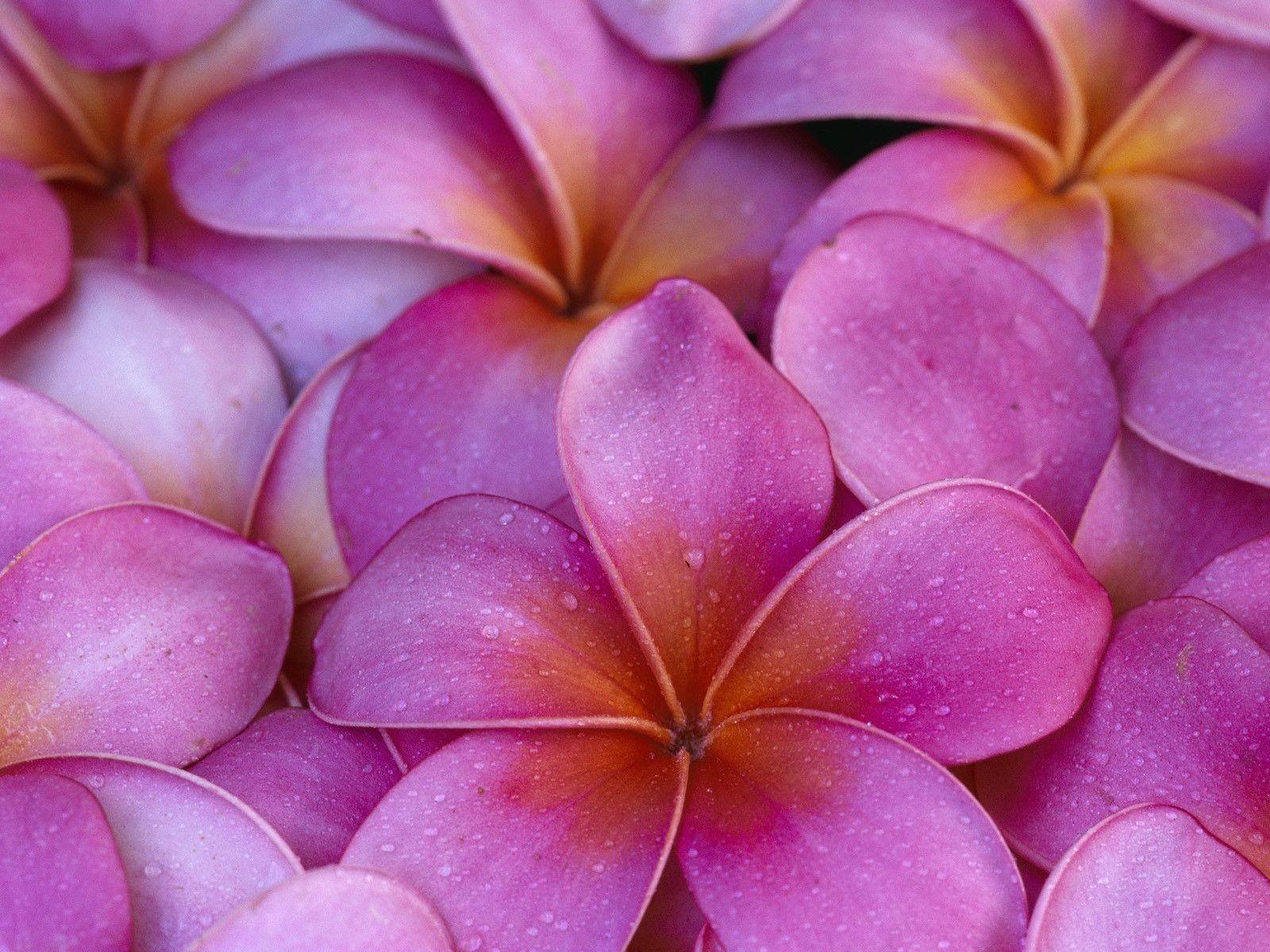
If you aren't thinking of the yellow hibiscus, you're almost certainly thinking of the Plumeria.
You know the one. It’s the flower used in 90% of the leis you see at airports. It smells like a mix of jasmine, citrus, and heaven. But here’s the kicker: Plumeria isn’t actually native to Hawaii. It was brought over in 1860 by a German botanist named William Hillebrand. It thrived in the volcanic soil and became so synonymous with the culture that most visitors assume it’s the official state flower. It isn't.
Then there’s the Bird of Paradise. It looks like a crane’s head. It’s striking. It’s everywhere. It’s also from South Africa.
Honestly, if you want to sound like a local, you have to distinguish between "native" and "canoe plants." Native plants, like the yellow hibiscus or the Ohi’a Lehua, arrived on the islands via wing, wave, or wind—basically, they got there on their own. Canoe plants, like taro or kukui, were brought by the original Polynesian voyagers. Everything else is a late arrival.
The Cultural Weight of the Ohi’a Lehua
If you ask a cultural practitioner or a hula dancer "what is the Hawaiian flower called," they might not even mention the hibiscus. They’ll talk about the Ohi’a Lehua.
This is the flower of the Ohi’a tree (Metrosideros polymorpha). It looks like a bright red (or sometimes yellow or orange) pom-pom made of tiny explosions. It is the first plant to grow out of hardened black lava. It’s tough. It’s resilient. It’s also deeply tied to the volcano goddess, Pele.
There’s a famous legend about it. Pele fell in love with a handsome warrior named Ohi’a. He already loved a woman named Lehua. Pele, being Pele, got angry and turned the man into a twisted, gnarled tree. The other gods felt bad for Lehua, so they turned her into the flower on that tree so they could never be separated.
- Don't pick the flower. Seriously.
- Locals say if you pick a Lehua flower, it will rain.
- That’s the gods crying for the separated lovers.
- Scientifically, the tree is currently facing a massive threat called Rapid Ohi’a Death (ROD), a fungal disease.
- This makes the flower even more precious and protected today.
Why the Hibiscus Stays Popular
Even though the Ohi’a has the mythic street cred, the hibiscus wins on visibility. It’s the "it" girl of Hawaiian flora. You see it on surf trunks, flight attendant uniforms, and every souvenir mug in Waikiki.
The yellow hibiscus specifically represents the island of O’ahu.
Wait, each island has its own flower?
Yeah. This is where it gets complicated for tourists. If you go to Maui, the "official" flower is actually a rose. The Lokelani (Damask Rose). It’s not even native! But the people of Maui loved it so much in the 1800s that it became their symbol.
On the Big Island (Hawaii Island), it’s the red Ohi’a Lehua. On Kauai, it’s not even a flower—it’s a berry called the Mokihana. It smells like anise (licorice) and is strung into fragrant leis that can last for days. Molokai claims the Pua Kukui (the white blossom of the candlenut tree), and Lanai has the Kauna’oa, which is a weird, orange, spaghetti-like vine that grows on the beach.
The Etiquette of Wearing the Flower
There is a very specific "unwritten rule" about how you wear the Hawaiian flower, particularly the hibiscus or plumeria.
If you tuck the flower behind your left ear, it means you are taken, married, or in a committed relationship. The left side is the side of the heart.
If you wear it behind your right ear, it means you are single and available.
Get it wrong, and you might get some unexpected attention at the luau—or a very confused spouse.
How to Spot a Real Native Yellow Hibiscus
If you’re hiking in Hawaii and want to find the actual state flower, don't look in the manicured gardens of your hotel. Look for dry forest areas. The Hibiscus brackenridgei prefers the leeward (drier) sides of the islands.
You’ll notice the leaves are different. They have three, five, or seven lobes, looking a bit like a maple leaf but softer. The flowers are huge—sometimes six inches across—and a brilliant, solid yellow with a dark maroon center.
Sadly, there are only a few hundred of these plants left in the wild. Most of what you see in people’s yards are cultivars. The real-deal wild yellow hibiscus is fighting for survival against invasive goats, pigs, and fire.
Growing Your Own (With a Warning)
You can actually buy seeds or starters for yellow hibiscus, but check your local climate. They love sun. They hate frost. If you live in Florida or Southern California, you might have a shot. But if you’re in Seattle or New York, keep it as an indoor potted plant near a very sunny window.
One thing to keep in mind: the yellow hibiscus is a "heavy feeder." It needs a lot of potassium. If the leaves start turning yellow but the veins stay green, your plant is screaming for nutrients.
Actionable Tips for Your Next Hawaii Trip
If you really want to appreciate the flora of the islands without being "that tourist," here is how to handle the "Hawaiian flower" situation with respect.
1. Learn the names. Use "Pua Aloalo" for hibiscus or "Melia" for plumeria. It shows you’ve done your homework.
2. Watch where you step. If you see a native Ohi’a tree, don’t go hiking near it if you’ve been in a different forest recently. Clean your boots with 70% isopropyl alcohol. This prevents the spread of the fungus that’s killing the trees. This is a huge deal in Hawaii right now.
3. Don't steal from trees. Most people don't mind if you pick up a fallen plumeria from the grass to put in your hair. But don't go snapping branches off someone's hedge or a tree in a botanical garden.
4. Check the Lei. When buying a lei, ask if the flowers are locally grown. Many cheap leis at grocery stores are actually imported from Thailand or elsewhere. Supporting local flower farmers helps keep the island's agricultural economy alive.
5. Visit a Botanical Garden. If you want to see the rare Hibiscus brackenridgei without trekking through the bush, head to the Foster Botanical Garden in Honolulu or the Waimea Valley on the North Shore. They have labeled specimens so you can see exactly what the official state flower looks like in person.
The "Hawaiian flower" is more than just a pretty thing to look at. It's a map of the islands' history, from the ancient volcanic eruptions that gave birth to the Ohi’a, to the Polynesian voyagers, to the modern-day efforts to save endangered species from extinction. Knowing the name is just the start.