If you walk into any ABC Store in Waikiki, you’re going to see it. It’s on the plastic leis, the cheap trucker hats, and those dashboard hula dolls that wiggle when you hit a pothole. We’re talking about the hibiscus. But here’s the thing: most people just call it "the Hawaiian flower" and move on. They don't realize there are actually thousands of varieties, and for a long time, Hawaii couldn't even decide which one was theirs.
The yellow hibiscus, or Hibiscus brackenridgei, is the official state flower of Hawaii. It’s locally known as the pua aloalo.
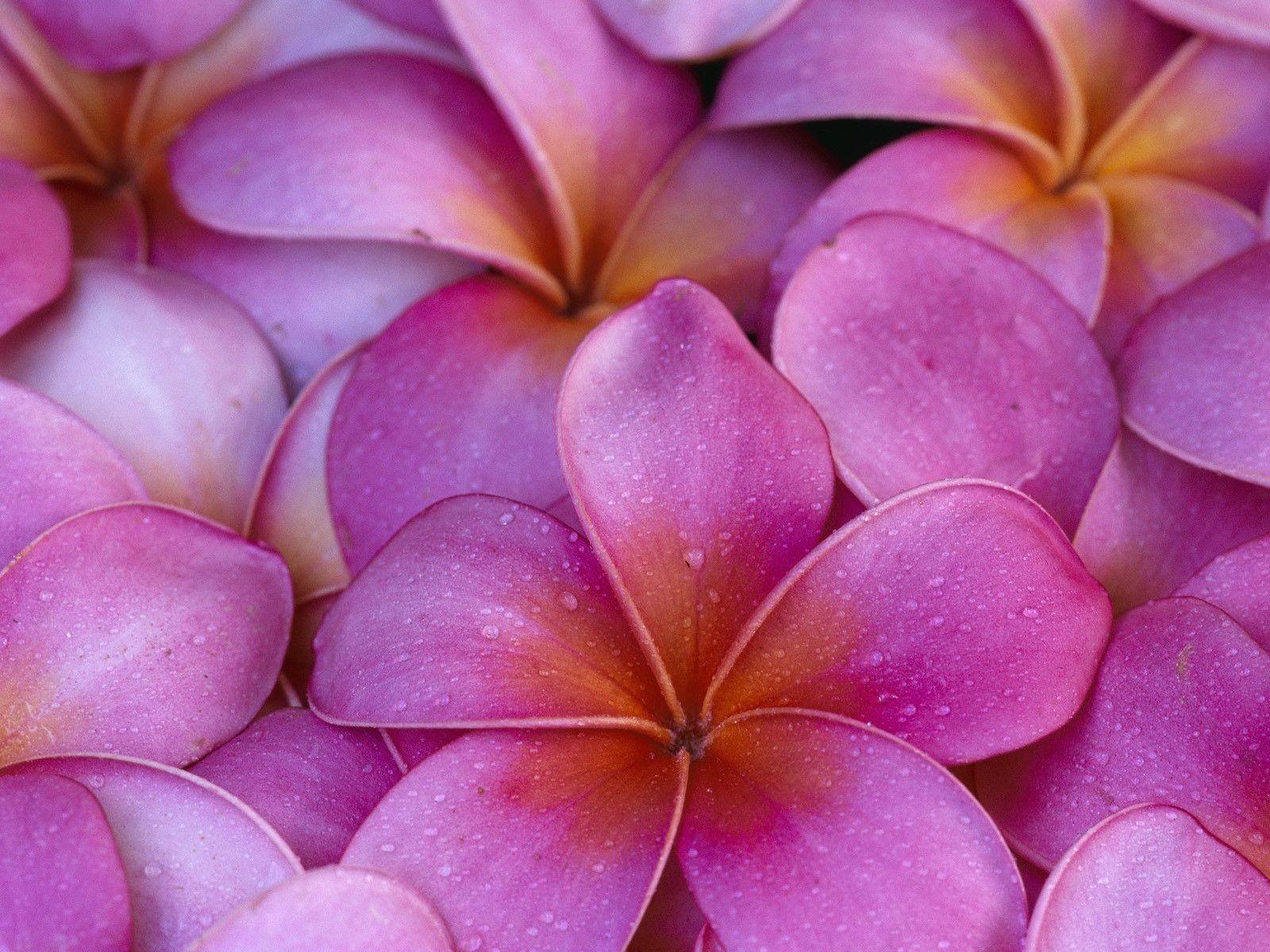
It’s kind of a weird choice if you think about it. If you ask a random person to close their eyes and picture a tropical flower, they usually see a red one. Or maybe a pink one with a long stamen sticking out. But the state went with yellow. And not just any yellow—a very specific, federally endangered yellow that most tourists will never actually see in the wild.
Honestly, the history of this plant is a bit of a mess. Back in the 1920s, the territorial government just said "the hibiscus" was the flower. They didn't specify a color. They didn't specify a species. So, for decades, people just picked whatever looked pretty. It wasn't until 1988 that the Hawaii State Legislature finally put their foot down and picked the native yellow one.
Why the Yellow Hibiscus is Actually Rare
Most of the flowers you see blooming in hotel lobbies or along the Kalakaua Avenue sidewalk aren't native. They’re hybrids. They’ve been bred to be massive, neon-colored, and tough enough to handle car exhaust and air conditioning. The actual yellow hibiscus—the pua aloalo—is a bit more high-maintenance.
It’s a true native. It was here before humans showed up.
There are two main subspecies of the yellow hibiscus. One grows as a shrub, and the other can actually grow into a small tree, reaching up to 30 feet tall. That’s a lot of flower. If you’re hiking in the dry forests of Lanai or the lowlands of Maui, you might stumble upon one, but don't count on it. These plants are tough. They have tiny spines on their branches to keep critters away.
Evolution is smart like that.
The problem is that Hawaii’s native ecosystems are under constant attack from invasive species. Feral goats, pigs, and even certain types of grass make it hard for the pua aloalo to keep its foothold. When you look at the state flower, you’re looking at a survivor. It’s not just a pretty face on a postcard; it’s a biological holdout.
Identifying the Real Deal
You can tell it’s the official yellow hibiscus by the center. While many garden-variety hibiscuses have a dark red or maroon "eye" in the middle, the native Hibiscus brackenridgei is usually a solid, bright lemon yellow all the way through, though some have a tiny bit of red at the very base of the stamen.
The petals feel almost like crepe paper. They’re delicate. They usually open in the morning and start to wilt by the time you’re looking for a happy hour mai tai.
Beyond the Yellow: The "Other" Hawaiian Flowers
While the yellow hibiscus wears the crown, it’s far from the only "Hawaiian flower" that matters. In fact, if you go to different islands, the "official" flower changes. Hawaii is the only state that assigns a specific flower (or plant material) to each individual island. It’s a point of pride.
- Oahu: They claim the Ilima. These are tiny, papery yellow-orange flowers. They look humble, but in ancient Hawaii, they were the "royalty" flower. It takes about 500 to 1,000 of these tiny blooms to make just one single strand lei. If someone gives you an Ilima lei, they either really like you or spent a fortune.
- Maui: The Lokelani. It’s a pink damask rose. Interestingly, this is the only island flower that isn’t native to Hawaii. It was brought over in the 1800s and just became a favorite of the locals.
- Big Island (Hawaii): The Ohia Lehua. If you’ve ever been to Volcanoes National Park, you’ve seen these. They look like red pom-poms. Legend says if you pluck one, it will rain because you're separating the lovers Ohia and Lehua. Scientists, however, will tell you it rains because it’s a rainforest. I’d stick with the legend; it’s more fun.
- Kauai: The Mokihana. Okay, it’s technically a berry, not a flower. It smells like anise or black licorice. It’s beautiful, but if the juice gets on your skin and you go into the sun, it can cause a chemical burn. Nature is metal.
The Cultural Weight of the Pua Aloalo
In Hawaiian culture, flowers aren't just decorations. They are a language.
You’ve probably heard the "behind the ear" rule. If you wear a flower behind your right ear, you’re single. If it’s behind your left ear, you’re taken. It’s basically the Tinder of the 19th century. But it goes deeper than that.
Hibiscus flowers were historically used for more than just aesthetics. Some parts were used as a mild laxative (maybe don't try that at home), and the fibers from the bark of certain species were used to make cordage or even grass skirts. When you call it the yellow hibiscus, you’re using the English name. When you call it pua aloalo, you’re acknowledging its place in a lineage that spans centuries of Polynesian navigation and settlement.
People often ask why the hibiscus is so synonymous with Hawaii when it grows in Florida, California, and even parts of Asia. It’s about the sheer variety. Hawaii became a giant laboratory for hibiscus breeding. In the early 1900s, there was a literal craze. People were crossing native species with plants from China and Madagascar.
This led to the creation of the "Hibiscus Society" in 1911. These guys were obsessed. They produced thousands of hybrids, which is why when you drive through a neighborhood in Honolulu today, you’ll see hedges that are orange, white, purple, and every shade in between.
The Conservation Struggle
We have to talk about the "Endangered" label. It’s not just a buzzword.
The yellow hibiscus is critically endangered in the wild. If we don't protect the dry forest habitats on the leeward sides of the islands, this flower could literally disappear outside of botanical gardens. Groups like the Plant Extinction Prevention Program (PEPP) are out there doing the dirty work—rappelling down cliffs and trekking through dense brush just to hand-pollinate these flowers.
It’s a weird paradox. The flower is everywhere on souvenirs, but almost nowhere in its natural home.
How to Grow Your Own (The Right Way)
If you want to grow a yellow hibiscus, you can't just go digging one up. That’s illegal and generally a jerk move.
But you can find them at specialized native plant nurseries. If you’re in Hawaii, look for nurseries that carry "Certified Native" stock. If you’re on the mainland, you’ll likely have to settle for a Hibiscus rosa-sinensis—the common tropical hibiscus. It’s a cousin, but it’s not the state flower.
To keep a hibiscus happy, you need three things:
- Drainage: They hate "wet feet." If the roots sit in water, the plant will die. Fast.
- Sun: They are sun-worshippers. They need at least six hours of direct light to produce those massive blooms.
- Food: They are heavy feeders. Use a fertilizer with a low middle number (phosphorus). Too much phosphorus can actually kill a hibiscus over time.
The Bloom Cycle
Don't panic when your flower dies after 24 hours. That’s just how they work. A hibiscus bloom is a "one and done" deal. It opens with the sun, looks spectacular for a day, and then shrivels up. The plant puts all its energy into that one day of glory.
Fortunately, a healthy plant will produce buds constantly. It’s a cycle of ephemeral beauty. There’s something kind of poetic about that, isn't there? You have to appreciate it while it's there because by tomorrow, it’ll be gone.
Common Misconceptions About the Hawaiian Flower
Let’s clear some things up because the internet is full of bad botanical advice.
First, not every yellow flower in Hawaii is a hibiscus. You might see the Tecoma stans (Yellow Bells) or the Allamanda. Those are pretty, but they aren't the state flower. The giveaway is the "column" in the middle of the hibiscus where the pollen sits. No column, no hibiscus.
Second, the red hibiscus isn't "the runner up." While it's iconic and was the unofficial flower for a long time, the yellow one was chosen specifically because it is native. Hawaii has a very strong movement toward "Malama Aina" (caring for the land), and that means prioritizing plants that actually belong here.
Third, you can’t make hibiscus tea from just any hibiscus. The tea you drink (the tart, red kind) usually comes from Hibiscus sabdariffa, also known as Roselle. If you try to brew a tea out of the yellow hibiscus, it’s probably going to taste like lukewarm grass and sadness.
Practical Steps for Travelers and Enthusiasts
If you're actually heading to the islands and want to see the real yellow hibiscus, skip the gift shops. Go to the Foster Botanical Garden in Honolulu or the Maui Nui Botanical Gardens in Kahului. These places keep the "wild" versions of these plants so you can see what they actually look like without the hybridization.
If you’re a photographer, go early. Like, 8:00 AM early. The colors are most vibrant before the midday sun starts to bleach them out, and the petals are still crisp.
For those at home, if you want to support the survival of these plants, look into organizations like the Hawaiian Legacy Reforestation Initiative. They work on putting native trees and shrubs back into the ground. It’s a way to ensure that "the Hawaiian flower" isn't just something we see on a postcard, but something that continues to exist in the dirt where it started.
- Check the local "Plant Pono" lists before buying any tropical seeds online to ensure you aren't accidentally importing an invasive species.
- Visit the Waimea Valley on Oahu to see one of the best collections of native Hawaiian flora in the world.
- Support local botanical gardens through memberships or donations; they are the frontline of preventing extinction for the pua aloalo.
The yellow hibiscus serves as a reminder that Hawaii is more than just a vacation spot. It’s a complex, fragile ecosystem with a history that is literally rooted in the soil. The next time you see that bright yellow bloom, you’ll know it’s not just a decoration. It’s a survivor, a cultural icon, and a very specific piece of a much larger story.