You’re walking near the edge of a cypress swamp or maybe just trimming the hedges in your Florida backyard when it happens. A sharp, piercing jab. It doesn’t feel like a mosquito’s subtle "sip." It feels like someone stuck you with a hot needle. You look down and see a fly with strikingly yellow-gold hairs and dark-banded wings. That’s the Diachlorus ferrugatus. Most people just call them yellow flies. If you’ve started searching for yellow fly bites pictures, you’re probably currently staring at a swelling, itchy mess on your arm and wondering if it’s supposed to look that angry.
Honestly? It usually is. Yellow flies are aggressive. Unlike mosquitoes, which pierce the skin with a needle-like proboscis, yellow flies have mouthparts that function more like tiny serrated scissors. They literally slash your skin to lap up the blood. This mechanical trauma is why the initial sting is so jarring and why the resulting welt often looks much worse than a typical bug bite.
What Yellow Fly Bites Actually Look Like
When you look at yellow fly bites pictures online, the first thing you’ll notice is the diversity of reactions. Some people get a small red dot. Others end up with a limb that looks like it’s doubled in size.
Generally, a yellow fly bite starts as a small, raised red bump. Within an hour, that bump often expands into a hard, hot welt. It’s not uncommon for the redness to spread out significantly—sometimes three or four inches across. Because the fly’s saliva contains anticoagulants to keep your blood flowing while they feed, your body reacts with a massive hit of histamine. This causes that signature "halo" of inflammation.
Sometimes you'll see a tiny crust of blood right in the center of the welt. That’s a hallmark of the yellow fly. Because they "chew" rather than "pierce," they leave a larger entry wound than many other biting insects. If the bite is on a thin-skinned area like the ankle or the back of the hand, the swelling can be dramatic. We’re talking "can’t see your ankle bone" levels of edema. It’s scary-looking, but unless you’re allergic, it’s mostly just an inflammatory overreaction.
Distinguishing Yellow Flies from Other Biters
It’s easy to confuse these with deer fly or horse fly bites. They are all in the Tabanidae family, after all. But yellow flies are smaller and stealthier. Horse fly bites are often larger and more jagged. Deer flies usually have those dark, triangular patterns on their wings. Yellow flies, however, have that distinctive yellow-green tint and are notorious for attacking the head, neck, and arms.
If the picture you’re looking at shows a bite that has a clear blister in the middle, you might actually be looking at a fire ant sting or a brown recluse bite. Yellow fly bites rarely blister immediately, though they can develop a fluid-filled head if you scratch them until they become secondary infections.
Why Do They Target Humans?
Only the females bite. They need the protein in your blood to develop their eggs. They are visual hunters, attracted to movement and dark colors. If you’re wearing a navy blue shirt and moving around, you’re basically a giant neon sign saying "Free Lunch."
They are most active during the "golden hours"—just before sunrise and just before sunset. They love humidity. According to the University of Florida’s Entomology Department, these flies are most prevalent in late spring and early summer, particularly in the Southeastern United States. If you’re in a wooded area near water during May or June, you’re in the strike zone.
They don't just land and bite. They hover. They’re persistent. You swat one away, and it’ll be back in three seconds. This persistence is why many people end up with multiple bites in the same area. The fly keeps trying until it gets its meal.
Dealing with the Swelling and Itch
If your bite looks like the more extreme yellow fly bites pictures, you’re probably dealing with significant localized swelling.
Step one: Stop scratching. I know, it’s impossible. But the "scissors" mouthparts leave a ragged wound that is incredibly prone to infection. If you break the skin with dirty fingernails, you’re inviting cellulitis into the party.
- Cold Compress: This is your best friend. Ice constricts the blood vessels and slows the spread of the fly's saliva proteins. Apply it for 15 minutes on, 15 minutes off.
- Antihistamines: Oral Benadryl (diphenhydramine) or Claritin (loratadine) can help dampen the systemic itch.
- Topical Steroids: A 1% hydrocortisone cream can take the edge off the redness, but honestly, for a bad yellow fly bite, you might need something stronger from a doctor.
- The "Spoon Trick": Some people swear by heating a metal spoon under hot tap water (not boiling!) and pressing it to the bite. The theory is that the heat denatures the proteins in the fly saliva. It’s anecdotal, but many swear it kills the itch instantly.
When to See a Doctor
Most of these bites are just a week-long nuisance. However, keep an eye out for signs of a systemic allergic reaction or infection.
If you start feeling dizzy, having trouble breathing, or notice hives breaking out in areas nowhere near the bite, that’s anaphylaxis. Get to the ER.
For infection, look for "streaking." If you see red lines extending away from the bite toward your heart, that’s a sign of lymphangitis. Also, if the bite starts oozing yellow pus or feels increasingly painful (rather than just itchy) after 48 hours, it’s time for a professional opinion. Doctors often prescribe a round of Cephalexin if they suspect the bite has turned into cellulitis.
How to Avoid Ending Up in One of These Pictures
Prevention is difficult because yellow flies are notoriously resistant to standard DEET bug sprays. While 30% DEET offers some protection, it’s not the shield it is against mosquitoes.
- Wear Light Colors: They hunt by sight. Dark clothes make you an easy target.
- Permethrin-Treated Clothing: This is much more effective than skin-applied spray. Treating your hiking gear or gardening clothes with permethrin actually kills the flies upon contact.
- Physical Barriers: If you’re in a high-density area, long sleeves and pants are the only 100% effective method.
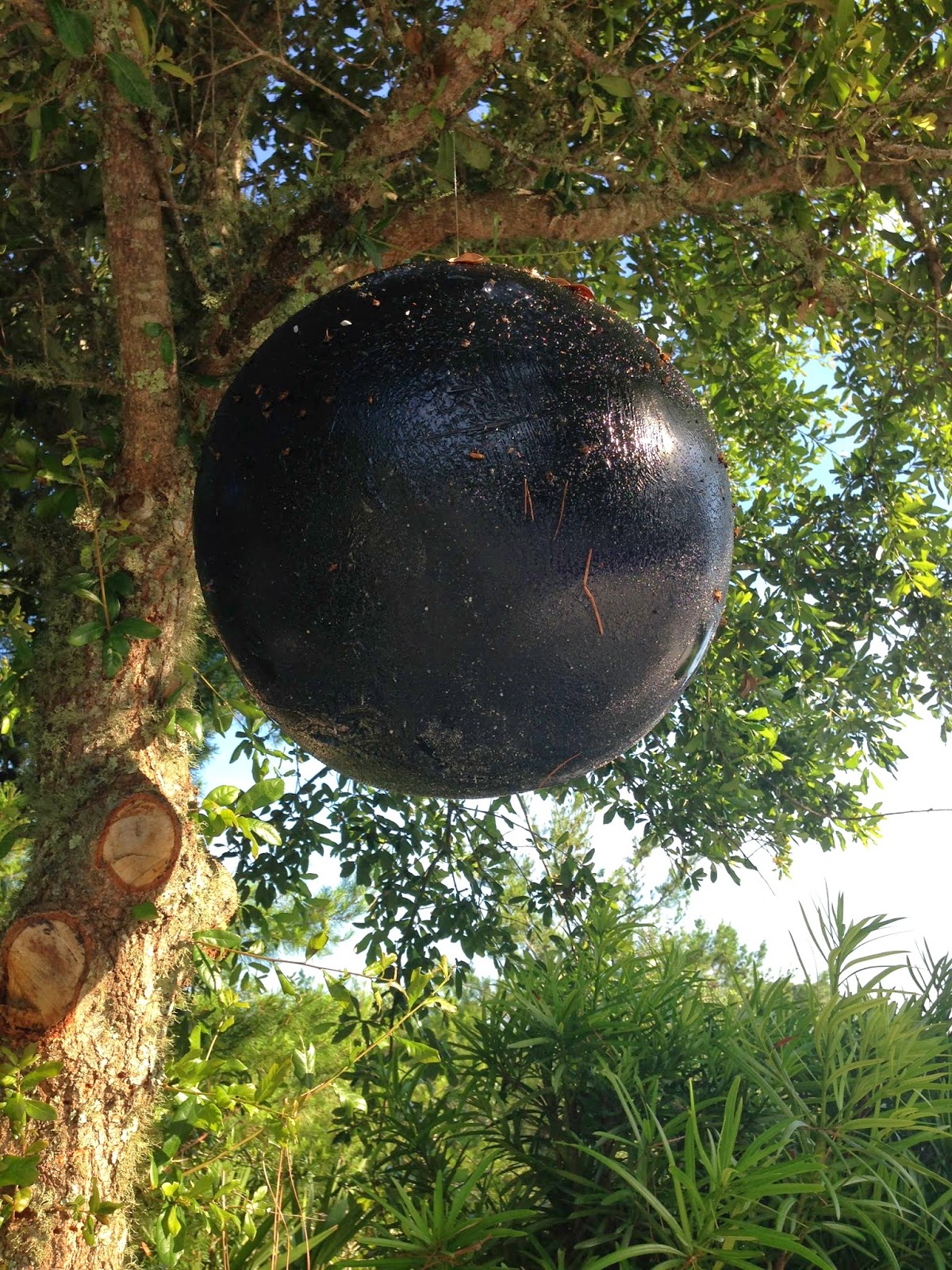
- The "Black Ball" Trap: If you live on a wooded lot, you might have seen those black spheres hanging from trees. These are Tred-Not traps or similar designs. Yellow flies are attracted to the dark, moving shape, fly toward it, and get stuck on the adhesive coating. It’s a low-tech but highly effective way to thinned out the population in your yard.
The Long-Term Recovery
The itch from a yellow fly bite can last a surprisingly long time. Often, the swelling goes down in 3-4 days, but the spot remains sensitive or itchy for up to two weeks. It’s normal for the bite site to turn a brownish or purple hue as it heals—this is just post-inflammatory hyperpigmentation. It’s not permanent, but it might take a month to fully fade.
Many people find that the second or third time they get bitten in a season, the reaction is actually worse. This is called "sensitization." Your immune system "remembers" the fly protein and mounts an even more aggressive attack the next time around.
Actionable Steps for Immediate Relief
If you’ve just been bitten and the area is starting to throb, move quickly.
- Wash the area immediately with antiseptic soap. Getting the surface bacteria off the "slashed" skin is the best way to prevent the bite from turning into a medical issue.
- Apply a thick paste of baking soda and water. Let it dry completely. The alkalinity can sometimes help neutralize the acidic components of the fly's saliva.
- Take an NSAID like ibuprofen. This isn't just for the pain; it’s to proactively reduce the inflammatory response that causes the massive swelling seen in those yellow fly bites pictures.
- Elevate the limb. If you were bitten on the leg, sit with your leg above your heart. Gravity is your enemy when it comes to insect-bite edema.
The reality of yellow fly bites is that they are more of a structural injury to the skin than a simple sting. Treating them as such—focusing on wound cleanliness and aggressive inflammation management—is the key to making sure your bite doesn't become a cautionary tale or a trip to the urgent care clinic. Keep the area clean, keep it cold, and whatever you do, keep your fingernails away from it.