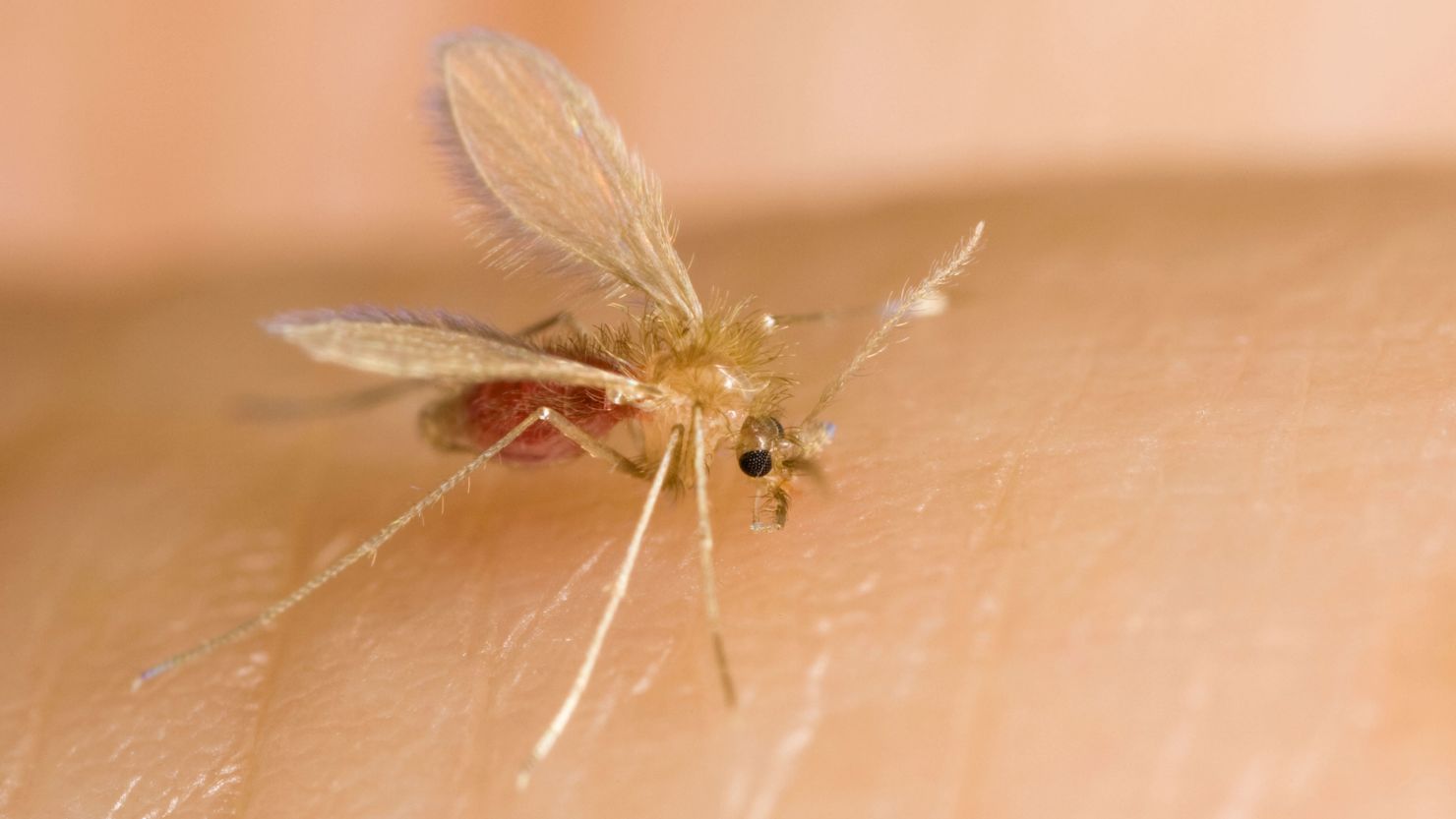
You’re walking near the edge of a cypress swamp or maybe just trimming the hedges in your backyard in late May, and suddenly, it feels like someone jabbed a hot needle into your forearm. No warning. No buzzing. Just a sharp, searing pain that makes you jump. You look down and see a fly with distinctive yellowish-green wings and dark stripes making a quick getaway.
That’s the yellow fly (Diachlorus ferrugatus).
Honestly, they are some of the most aggressive biting flies in the Southeastern United States. If you live in Florida, Georgia, or the Carolinas, you probably already know their reputation. They don't just "nip" like a mosquito; they slice. Understanding yellow fly bites on humans starts with realizing that these insects aren't looking for a quick snack—they are biological machines designed to harvest protein for their eggs, and they use saw-like mouthparts to get it.
The Anatomy of a Yellow Fly Attack
Most people assume all biting bugs work the same way. Mosquitoes use a needle-like proboscis to sneakily find a vein. Yellow flies? They use a "telmophagy" approach. Basically, they use their mandibles to slash your skin open, creating a tiny pool of blood that they then lap up.
It's gruesome. It’s also why it hurts instantly.
Since they are part of the Tabanidae family—relatives of horse flies and deer flies—they possess incredibly strong flight muscles. They can chase a moving target (like you on a riding lawnmower) for significant distances. They are most active during the daylight hours, particularly in the "golden hours" of the morning and late afternoon. If it’s an overcast, humid day, they might hunt all day long.
Why the swelling gets so out of hand
You might notice that a yellow fly bite doesn't just stay a small red dot. Often, the area turns into a hard, hot, itchy welt that can grow to the size of a golf ball—or bigger. This isn't just because of the physical trauma to the skin. When the fly bites, it injects saliva containing anticoagulants. These chemicals prevent your blood from clotting so they can feed easily. Your immune system sees those foreign proteins and goes into a full-scale panic.
Histamine floods the area. Fluid rushes in.
Within four hours, you’ve got a localized inflammatory response. For some, it’s just an annoyance. For others, it’s a week of misery.
Real Symptoms vs. Allergic Reactions
It’s easy to freak out when your ankle doubles in size after a bite. However, there’s a difference between a "large local reaction" and true anaphylaxis.
Most yellow fly bites on humans follow a predictable, albeit painful, path:
- An immediate sharp pain followed by a "wheal" (a raised white or red bump).
- Intense itching that feels deep under the skin.
- Localized warmth and redness that spreads outward over 24 hours.
- A small scab or "crust" in the center where the skin was actually sliced.
However, keep an eye out for "Skeeter Syndrome" style reactions. While usually associated with mosquitoes, the heavy protein load in yellow fly saliva can trigger systemic issues in sensitive individuals. If you start seeing hives on parts of your body where you weren't bitten, or if you feel dizzy or have trouble breathing, that’s an emergency room visit, not a "wait and see" situation.
Secondary Infections are the Real Danger
Because these bites itch so fiercely, people scratch them. Often in their sleep.
Yellow flies spend a lot of time in swamps and near decaying organic matter. Their mouthparts aren't exactly sterile. When you break the skin further by scratching with dirty fingernails, you’re inviting Staphylococcus aureus or Streptococcus into the wound.
If the redness starts streaks (lymphangitis) or the area feels "bumpy" and hot like an orange peel, you might be looking at cellulitis. Dr. Fred Santana, an entomologist formerly with the Sarasota County Extension, has frequently noted that the secondary infection from a yellow fly bite is often more medically significant than the bite itself.
Treatment Protocols That Actually Work
Forget the old wives' tales about putting a penny on the bite or using toothpaste. You need to address two things: the itch and the inflammation.
- Clean it immediately. Use soap and water. This sounds basic, but getting that fly saliva off the surface of the skin reduces the total "dose" your body has to react to.
- Ice is your best friend. Cold constricts the blood vessels and slows down the spread of the saliva proteins. Apply ice for 15 minutes every hour for the first four hours.
- Internal vs. External. An oral antihistamine (like cetirizine or diphenhydramine) usually works better than a topical cream because the reaction is happening deep in the tissue.
- Hydrocortisone. A 1% hydrocortisone cream can help, but don't slather it on an open, bleeding wound. Wait until it scabs over slightly.
Some people swear by "Heat Pens" or "Bite Helpers" that apply localized heat to break down the proteins. While there is some anecdotal evidence this works for mosquito bites if used within seconds, yellow fly saliva is more complex. Use caution, as you don't want to burn already traumatized skin.
Why DEET Often Fails Against Yellow Flies
If you’ve ever doused yourself in 25% DEET and still got swarmed, you aren't imagining things. Yellow flies are visually driven hunters. They are attracted to motion, dark colors, and carbon dioxide. While DEET might confuse their chemical receptors slightly, if they see a large, dark object (like a human in a navy blue t-shirt) moving through the woods, they’re going to investigate.
The University of Florida's IFAS department has conducted extensive research on "sticky traps" for these pests. They found that black or blue spheres coated in a sticky substance (like Tanglefoot) are incredibly effective. The flies see the dark, round object, think it’s a head or a rump of an animal, fly into it, and get stuck.
Better ways to protect yourself:
- Wear light colors. Khaki, white, and light yellow are less attractive to them than dark blue, black, or red.
- Physical barriers. These flies cannot bite through loose-fitting, heavy clothing. Tight leggings? They'll bite right through those. Think denim or thick canvas.
- Avoid the "Deep Woods." They love the ecotone—the transition area between woods and open water. If you’re hiking, stay in the center of the trail.
- Timing. If you can, stay indoors between 4:00 PM and dusk during the peak months of May and June.
Dealing with the Mental Toll of "Yellow Fly Season"
It sounds dramatic, but for people living in heavily infested areas, the presence of these flies can actually limit outdoor activity. It’s a form of "environmental confinement." You want to garden, but you know you'll be eaten alive.
One thing to remember: yellow fly season is relatively short. They usually peak for about 6 to 8 weeks depending on the rainfall and temperature. They need standing water for their larvae to develop, so a particularly dry spring can sometimes lead to a "light" year. Conversely, a wet May usually means a brutal June.
Actionable Steps for Your Backyard
If your yard has become a "no-go zone" because of yellow fly bites on humans, you don't have to just give up until July.
- Deploy the "Black Ball" Traps. You can buy commercial versions like the Bug Ball or make your own using a dark-colored beach ball and sticky coating. Hang them about 4-5 feet off the ground in shaded areas.
- Fan Power. Yellow flies are strong fliers, but they hate turbulent air. If you’re sitting on a porch, a high-velocity floor fan can create a "safe zone" they won't want to fly through.
- Vegetation Management. Keep the area around your house cleared of thick underbrush. Yellow flies love to rest in the shade of low-hanging limbs and dense shrubs. By thinning out the "jungle" near your door, you remove their staging ground.
- Check Your Screens. These flies are persistent. If they see you through a window, they will look for any gap in a screen or under a door to get to you. Ensure your weather stripping is tight.
When you do get bitten—and if you live in their territory, you eventually will—don't treat it like a minor itch. Take it seriously from minute one. Wash it, ice it, and resist the urge to scratch. If the swelling crosses a joint (like your wrist or ankle) or if you see red lines moving up your limb, head to an urgent care clinic. It's better to get a round of antibiotics or a prescription-strength steroid cream early than to spend a week in the hospital with a systemic infection.
Manage your environment, dress strategically, and keep the Benadryl handy. You'll get through the season.
Next Steps for Recovery:
- Monitor the bite area: Draw a circle around the redness with a pen to see if it spreads over the next 12 hours.
- Hydrate: High histamine levels can make you feel slightly "off"; drink plenty of water to help your body process the inflammatory response.
- Update your kit: If you're heading back out, switch to a Permethrin-treated clothing set, which is far more effective against biting flies than skin-applied repellents.