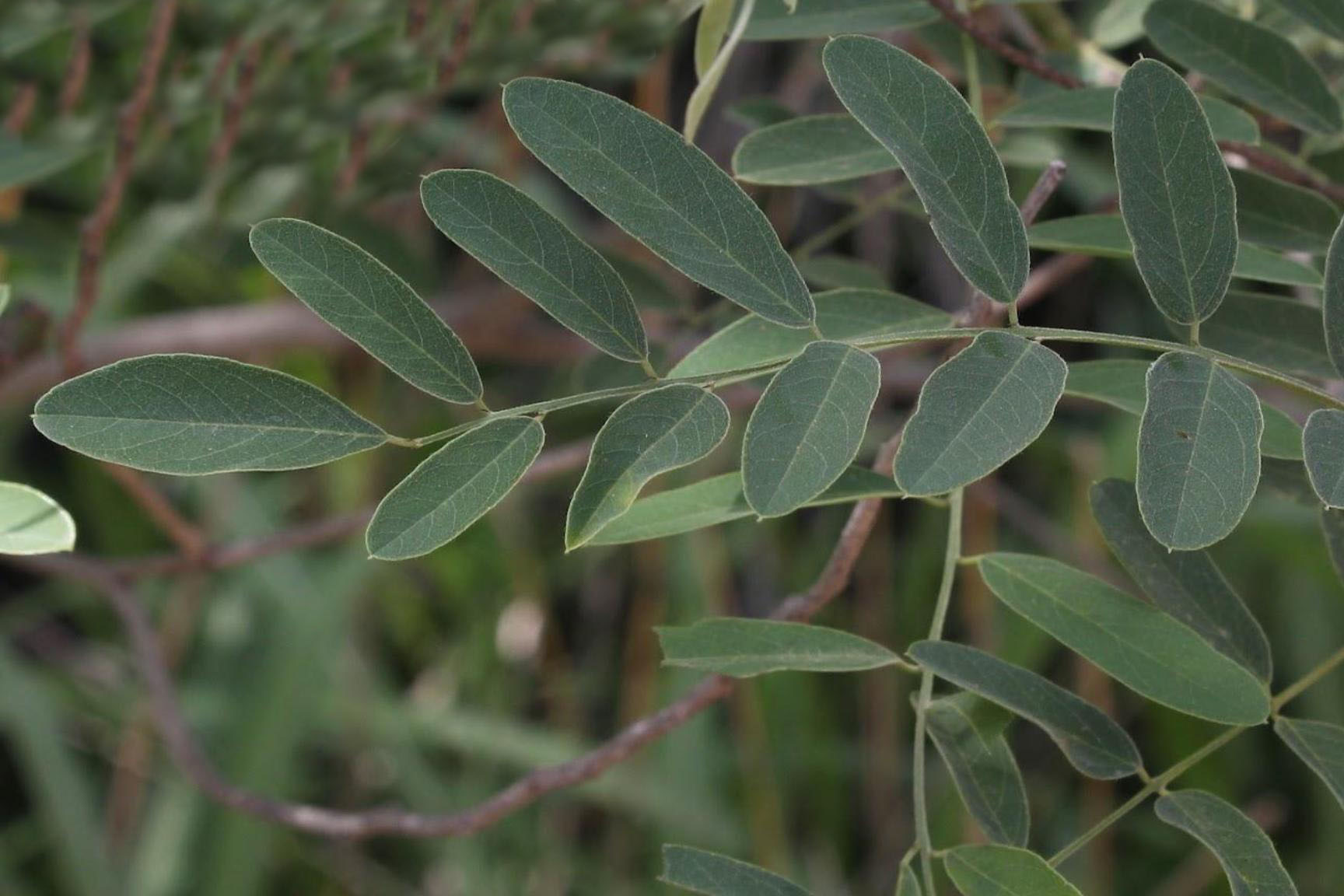
You’ve seen them along the highway. Those tall, spiky stalks topped with buttery yellow blooms that look like they belong in a high-end floral arrangement but are actually thriving in the middle of a gravelly ditch. That's yellow false indigo. Formally known as Baptisia sphaerocarpa, it's one of those rare plants that manages to be both incredibly delicate looking and tough as nails.
Honestly? Most people walk right past it. They assume it's just another weed until it hits its peak in late spring. Then, it's a showstopper.
It’s a native powerhouse. If you're tired of babying fussy perennials that wilt the second the humidity spikes or the rain stops for three days, this is your plant. We're talking about a species that can live for decades. Seriously. Once it’s established, it basically becomes a permanent fixture of your landscape, like a shed or a very stubborn tree.
What People Get Wrong About Growing Yellow False Indigo
One of the biggest misconceptions I hear is that all Baptisia species are basically the same. They aren’t. While the blue version (Baptisia australis) gets all the fame, the yellow false indigo has a personality all its own. For starters, it tends to be a bit more compact and rounded. It doesn't get quite as "floppy" as some of the taller blue varieties can when they aren't supported.
Patience is the catch.
You can't plant this and expect a massive shrub by July. It’s slow. Very slow. In the gardening world, we have a saying: "First year they sleep, second year they creep, third year they leap." With yellow false indigo, that first "sleep" phase feels more like a coma. It is busy putting all its energy into a massive taproot.
That taproot is its superpower. It’s why the plant can survive a drought that kills off your lawn. But it’s also why you cannot move it. If you plant it in the wrong spot and try to dig it up three years later, you’ll likely kill it. Or at the very least, you’ll break your back and only get half the root. Pick a spot. Commit to it.
Soil, Sun, and the "Don't Touch It" Rule
It loves the sun. If you put it in the shade, it’ll get leggy and sad, and you’ll get maybe three flowers if you’re lucky. You want at least six to eight hours of direct light.
Interestingly, it’s not picky about soil quality. In fact, it kind of likes the struggle. It’s a legume, which means it has a symbiotic relationship with bacteria in the soil to "fix" its own nitrogen. It’s essentially fertilizing itself. If you dump a bunch of high-nitrogen fertilizer on it, you’ll get tons of green leaves and zero flowers. Just let it be.
The Wildlife Connection: It’s Not Just a Pretty Face
If you care about pollinators, you need this plant. It’s a major host for several butterfly species, specifically the Wild Indigo Duskywing and certain Sulfurs.
Bees go absolutely nuts for it.
The flowers have a specific "trip" mechanism. A bee has to be heavy enough and strong enough to push down the lower petals to get to the nectar. It’s like a biological VIP club for bumblebees. Watch them work the flowers sometime; it’s fascinating. They wedge themselves in there, get covered in pollen, and move on to the next one.
Deer? They usually leave it alone. The foliage contains alkaloids that taste bitter and can be mildly toxic if eaten in huge quantities. Most deer take one bite and decide they’d rather harass your neighbor’s hostas instead.
Why the "Sphaerocarpa" Name Matters
The "sphaerocarpa" part of the name refers to the seed pods. They are round, woody, and stay on the plant well into the winter.
They turn a dark, charcoal color.
When the wind blows, the seeds rattle inside. It’s a cool sound. Some people cut the dead stalks back in the fall because they like a tidy garden, but I say leave them. They provide winter interest and a place for beneficial insects to overwinter. Plus, they look great with a dusting of snow on them.
Practical Advice for Your First Planting
If you're going to buy one, look for a plant that’s already a year or two old in a deep pot. Don't buy the tiny starts unless you’re prepared to wait a long time for results.
Space them out. A mature yellow false indigo can easily be three to four feet wide. It looks like a small shrub once it’s fully grown. If you crowd it, you’re asking for powdery mildew issues because the airflow will suck.
- Check the drainage: It hates wet feet in the winter. If the spot stays soggy when it's cold, the roots will rot.
- Don't prune too early: Wait until the flowers are totally spent if you want those cool seed pods.
- Give it a "Texas Cut": Some gardeners in hotter climates cut the whole thing back by a third after blooming to keep the foliage looking fresh and prevent it from splitting open in the middle.
The Long Game
Gardening is often about instant gratification, but yellow false indigo is about the long game. It’s an investment. In five years, when the rest of your garden is struggling through a heatwave and this thing is standing tall, vibrant green and covered in seed pods, you’ll realize it’s the most reliable thing you’ve ever planted.
It represents a bit of the wild prairie brought into the backyard. It’s a connection to the native landscape that doesn't require a degree in botany to maintain.
Take Action Today
Go outside and find that one spot in your yard where nothing seems to grow because the soil is too tough or the sun is too brutal. That is your yellow false indigo spot. Order a potted specimen from a reputable native plant nursery rather than trying to start from seed, which can take forever due to the hard seed coat. Once it's in the ground, water it deeply for the first season to help that taproot get established. After that? Step back and let it do its thing. You've just planted a perennial that might very well outlive you.



