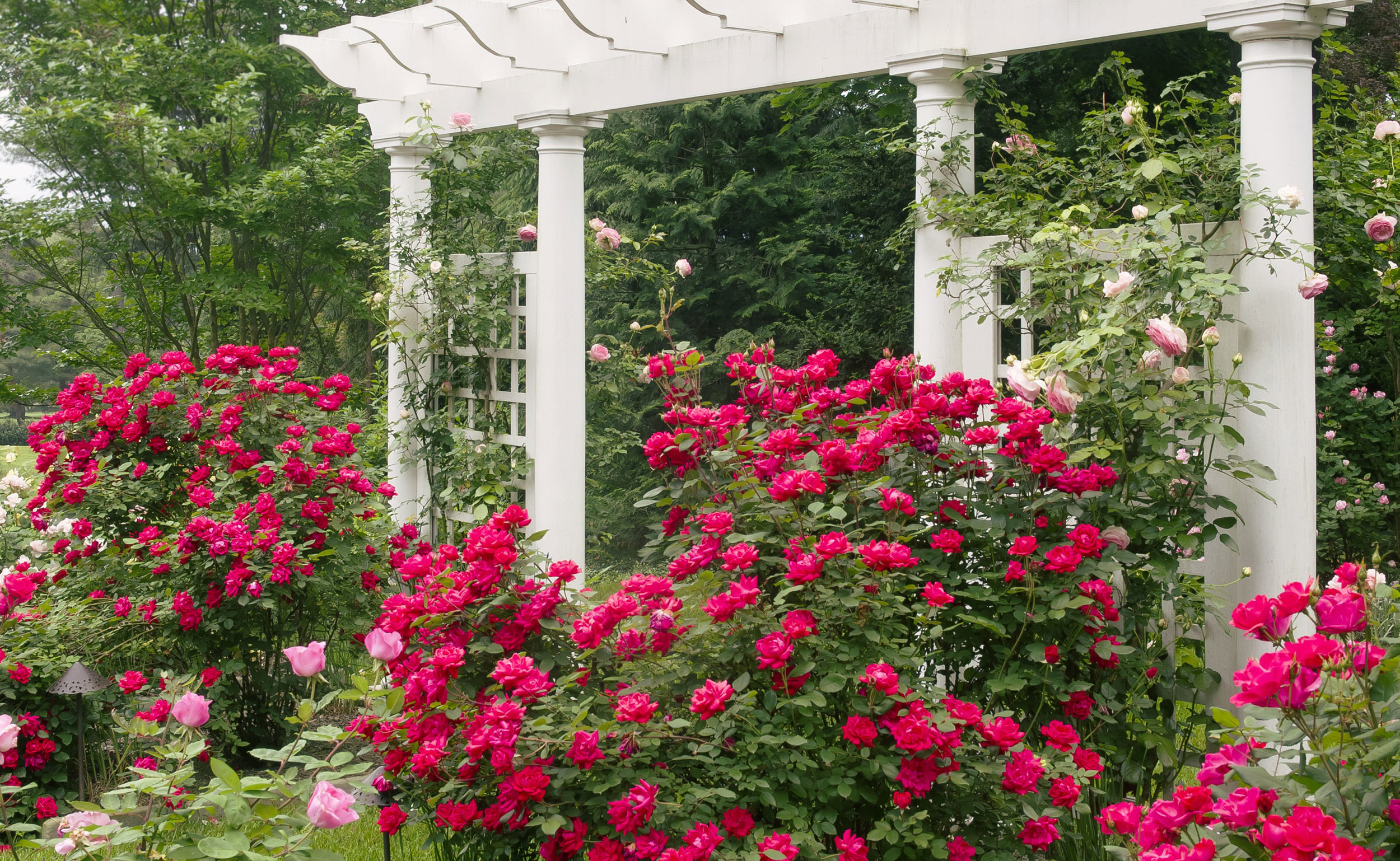
You’ve seen them everywhere. Those bright, buttery spheres of color lining suburban driveways and commercial parking lots alike. Honestly, it’s easy to see why yellow double knockout roses—scientifically known as Rosa 'Radsunny'—became the darlings of the landscaping world almost overnight. They promised the impossible: the classic beauty of a rose with the rugged "don't kill me" attitude of a weed. But if you’ve actually planted a Sunny Knock Out® (the official trade name), you probably know that the reality is a bit more nuanced than the nursery tag suggests.
Roses are fussy. Historically, they’ve been the high-maintenance divas of the garden, demanding constant pruning, precise chemical cocktails, and constant prayer against black spot. Then came William Radler. In the late 80s and 90s, he changed the game by breeding for disease resistance first and aesthetics second. The yellow double knockout rose was a later addition to this lineage, filling a desperate void for gardeners tired of the standard cherry reds and bubblegum pinks. It’s a color that feels like sunshine. It’s hopeful. But it’s also a plant that requires you to understand its specific quirks if you don't want it to look like a collection of sticks by mid-August.
Most people think these are "set it and forget it" plants. That’s a mistake. While they are significantly tougher than an heirloom tea rose, they aren't plastic.
The Color Shift Most People Don't Expect
Let’s talk about the yellow. Or rather, the lack of it.
One of the most common complaints about yellow double knockout roses is that they "turn white." You buy a plant covered in vibrant, golden-yellow buds, get it in the ground, and two weeks later, the bush looks like it’s covered in pale cream or off-white flowers. This isn't a disease. It's not a nutrient deficiency. It’s just how the genetics of the Sunny Knock Out® work. The buds start as a deep, rich yellow, but as the bloom matures and hits the sunlight, it fades. Rapidly.
In the heat of a Georgia or Texas summer, that transition happens in about 48 hours. If you were expecting a lemon-yellow hedge that stays lemon-yellow, you’re going to be disappointed. However, this fading creates a multi-tonal effect that some designers actually prefer. You get a spectrum of gold, butter, and cream all on one bush. It’s subtle. Sorta sophisticated, actually.
The "double" part of the name refers to the petal count. Unlike the original single-petal knockouts that look a bit more like wild briars, the double yellow has a fuller, more traditional rose shape. It’s denser. It feels more "expensive" in a garden layout. But because those flowers are more complex, the plant spends more energy producing them.
Planting Yellow Double Knockout Roses Where They’ll Actually Thrive
Location is everything. If you stick these in the shade, you are basically asking for a powdery mildew nightmare. They need six to eight hours of direct, unfiltered sun. Period.
Soil matters too, though people overcomplicate it. You don't need a PhD in chemistry. Just make sure it drains. If you plant a yellow double knockout rose in heavy clay that holds water like a bathtub, the roots will rot before the first bloom cycle finishes. I’ve seen hundreds of these plants die simply because the homeowner didn't break up the "clay bowl" effect when digging the hole. Mix in some compost. Give those roots a chance to breathe.
Distance is the other big one. These shrubs can reach 4 to 5 feet in height and width. If you crowd them, you lose airflow. Lack of airflow is the primary driver of black spot, even in "resistant" varieties. Knockouts aren't immune to fungus; they are just better at living through it. If the leaves are constantly damp and smashed against a brick wall, they’ll still get spotted and drop.
Spacing them about 3 feet apart is the sweet spot. It looks a bit sparse for the first year. Be patient. By year three, they’ll be a solid wall of foliage.
Water and Feed: The Bare Minimum
Don't overhead water. Seriously. If you’re using a sprinkler that hits the leaves every morning, you're inviting trouble. Use a soaker hose or just point the nozzle at the base of the plant.
When it comes to feeding, knockouts are hungry. They bloom almost continuously from spring until the first hard frost. That takes fuel. A balanced, slow-release fertilizer (something like a 10-10-10) applied in early spring and again in mid-summer is usually enough. Some people swear by alfalfa meal for that extra boost of triacontanol, a natural growth stimulant. It works, but it’s not strictly necessary.
Pruning Without the Fear
Pruning is where most gardeners freeze up. They treat the rose like a delicate artifact. Stop that. Yellow double knockout roses are incredibly resilient to the shears.
The best time to prune is late winter or very early spring, just as the buds are starting to swell but before they've really leafed out. You can take them down significantly. Honestly, you can cut them back to 12 inches off the ground, and they will roar back with vigor. This "hard prune" every few years helps rejuvenate the plant and prevents it from becoming too leggy or woody at the base.
During the season, you don't have to deadhead (remove spent blooms). One of the selling points of the Knock Out® brand is that they are "self-cleaning." The old petals just fall off. But, if you want more flowers faster, snipping off the fading blooms tells the plant to stop making seeds and start making more buds. It’s a simple trick that keeps the yellow popping all summer long.
Watch out for Rose Rosette Disease (RRD). This is the big boogeyman for all knockout varieties. It’s carried by microscopic mites and is currently incurable. If you see "witches' broom" growth—thick, red, hyper-thorny stems that look like a mutation—you have to pull the whole plant out. Roots and all. Don't compost it. Bag it and toss it. It’s heart-wrenching, but it’s the only way to save the rest of your garden.
Why Some Pros Are Moving Away From Them
It’s worth noting that there is a bit of "Knockout fatigue" in the professional landscaping world. Because they are so reliable, they’ve become ubiquitous. Some high-end designers think they look "cheap" or overused.
There’s also the fragrance issue. Or lack thereof. While the Sunny Knock Out® is actually one of the few in the series that has a noticeable scent—a sort of light, citrusy spice—it’s nothing compared to a David Austin rose or a classic Damask. If you’re planting a rose garden for the perfume, these might feel a bit clinical.
But for most of us? We just want color. We want a plant that doesn't require a chemistry set to keep alive. In that regard, the yellow double knockout rose still wears the crown. It handles the humidity of the South and the erratic springs of the Midwest better than almost any other yellow floribunda on the market.
Actionable Steps for Success
To get the most out of your yellow double knockout roses, follow this specific cadence:
- Test your drainage: Dig a hole, fill it with water. If it’s still sitting there an hour later, find a different spot or build a raised bed. Drainage is non-negotiable.
- Mulch like you mean it: Apply 2-3 inches of hardwood mulch or pine bark around the base. This keeps the roots cool and prevents fungal spores from splashing up from the soil onto the leaves during rain.
- The Three-Year Rule: In year one, they sleep. In year two, they creep. In year three, they leap. Don't judge your plant's performance by its first summer in the ground. It's building a root system.
- Monitor for Rose Rosette: Check your plants once a month. Look for bizarrely thick, red stems. Catching it early can prevent a total garden wipeout.
- Late Summer Refresh: If your roses look ragged in August, don't be afraid to give them a "haircut" (cutting back about 1/3 of the height) and a fresh round of fertilizer. You’ll get a spectacular flush of blooms in the cooler autumn air.
These roses are workhorses. They aren't perfect, and the yellow will fade to cream, but they provide a consistency of color that few other shrubs can match. Treat them with a little bit of respect—proper sun, decent airflow, and a hard prune once a year—and they’ll easily outlive most of the other perennials in your yard.



