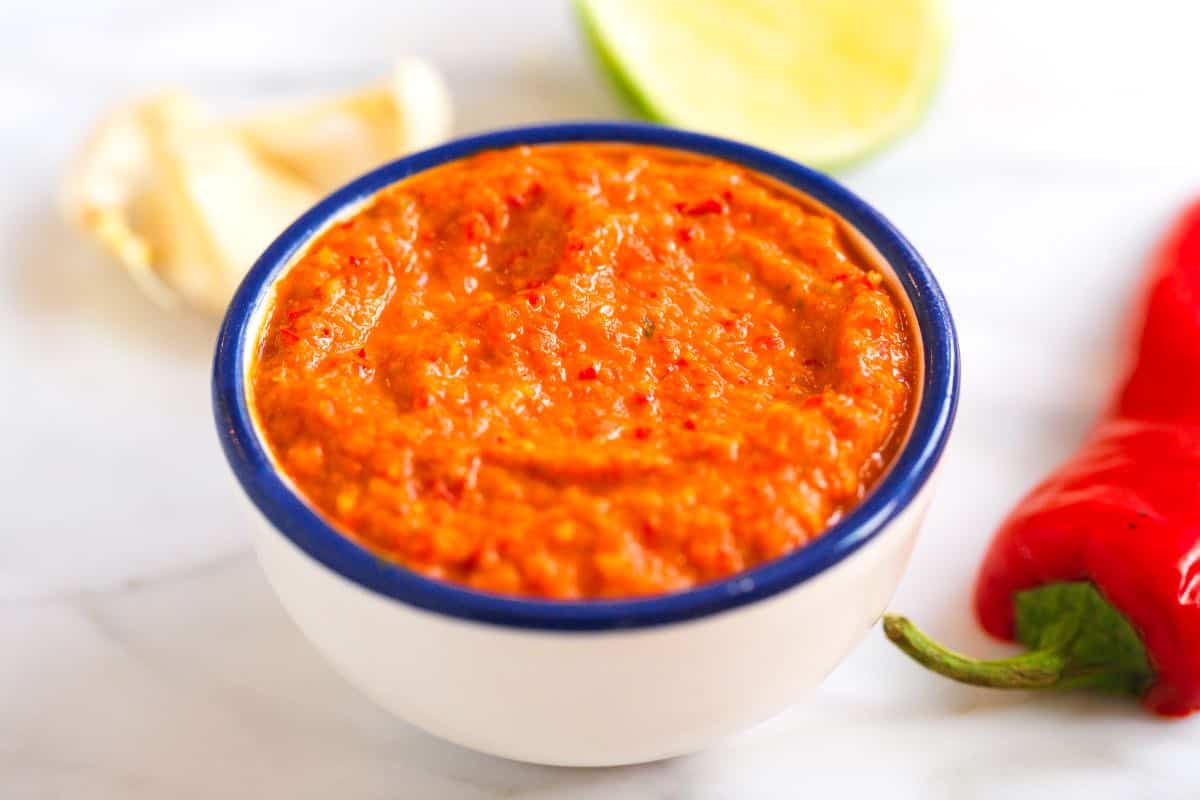
You’ve been there. Standing in the international aisle of a grocery store, squinting at a tiny glass jar of yellow curry paste, wondering if it’s actually going to taste like the vibrant, aromatic bowl you had at that hole-in-the-wall Thai spot last Friday. Spoilers: it won't. Most commercial pastes are heavy on the salt and light on the fresh aromatics because, well, shelf life matters to corporations. But if you're looking for a yellow curry paste recipe that actually has soul, you have to get your hands a little dirty. Or at least stained a little bit yellow.
Turmeric is no joke. It stains everything. Your wooden spoons, your white countertops, and definitely your fingertips. But that's the price of admission for a flavor profile that is simultaneously earthy, sweet, and punchy.
What Actually Goes Into a Real Yellow Curry Paste Recipe?
Yellow curry, or Kaeng Kari, is the mellow cousin of the Thai curry family. It’s influenced heavily by British and Indian trade routes, which is why you see ingredients like cumin, coriander, and dried turmeric—things you won’t usually find in a green or red paste. It’s less about the searing heat of bird’s eye chilies and more about a warm, hug-like glow.
Honestly, the backbone of any legitimate yellow curry paste recipe starts with the aromatics. We’re talking lemongrass, galangal, and shallots. If you can't find galangal, don't just sub in ginger and call it a day. Ginger is spicy and sharp; galangal is piney and floral. It’s different. If you absolutely must, use ginger but add a tiny squeeze of lime to mimic that citrusy floral note galangal brings to the party.
The chilies matter too. For yellow curry, we usually use dried long red chilies. You need to soak them in warm water until they’re pliable. If you leave the seeds in, you get more heat. Scrape them out if you’re a wimp—no judgment, yellow curry is supposed to be the "gateway" curry anyway.
The Fresh vs. Dried Debate
You’ll see a lot of recipes online that just tell you to use turmeric powder. Sure, it’s easier. But if you can find fresh turmeric root at an Asian market or a high-end grocer like Whole Foods, use it. It has a metallic, bright quality that the powder just lacks. Just remember the staining thing I mentioned earlier. Wear gloves.
The Step-by-Step Breakdown (Without the Fluff)
First off, toast your dry spices. Throw the coriander seeds, cumin seeds, and maybe a few peppercorns into a dry pan. Once they smell like heaven—usually about two minutes—grind them into a fine powder.
Now, for the "wet" ingredients. You’ll need:
- About 5-6 dried red chilies (soaked and chopped)
- A tablespoon of chopped galangal
- Two stalks of lemongrass (white parts only, sliced thin)
- A handful of shallots
- 4-5 cloves of garlic
- A thumb-sized piece of fresh turmeric (or a tablespoon of powder)
- A teaspoon of shrimp paste (kapi)
That last one, the shrimp paste? It smells... intense. Like, "did something die in my kitchen?" intense. But don't skip it. It provides the umami backbone that makes the curry taste professional. If you're vegan, fermented soybean paste is a decent workaround, though you'll miss that specific funky depth.
The Mortar and Pestle vs. The Food Processor
This is where the purists start fighting. Traditionally, you use a heavy granite mortar and pestle. You pound the ingredients in a specific order, starting with the hardest (lemongrass and galangal) and moving to the softest (shallots and shrimp paste). It takes about 20 minutes of solid arm work.
Why bother? Because pounding shears the cell walls of the aromatics, releasing essential oils that a blade just chops. It's the difference between a fragrant paste and a wet mash.
That said, we all have lives. If you’re using a food processor, add a splash of water or oil to help the blades catch. It won't be quite as aromatic, but it’ll still be leagues better than the stuff in the jar.
Why Your Yellow Curry Often Tastes Flat
Most people make their paste, throw it in a pot with coconut milk, and wonder why it tastes "raw." You have to fry the paste first.
In a traditional Thai kitchen, you’d crack the coconut cream first—boiling it until the oil separates—and then fry the paste in that coconut oil. Since modern canned coconut milk is often stabilized with emulsifiers like guar gum, it won't always "crack." In that case, just use a tablespoon of neutral oil. Fry the paste until it changes color slightly and the smell fills your entire house. That's when the flavors have actually developed.
How to Store Your Creation
You aren't going to use all of this in one go unless you’re cooking for a small army. This recipe usually makes enough for three or four separate meals.
- Fridge: It’ll stay good for about a week in a tightly sealed jar.
- Freezer: This is the pro move. Spoon the paste into ice cube trays. Once frozen, pop the cubes into a freezer bag. Next time you want curry, you just drop two or three cubes into the pan. It lasts for months this way.
Common Mistakes to Avoid
Don't use the green tops of the lemongrass. They’re woody and won't break down, leaving you with bits of "floss" in your teeth. Stick to the bottom third of the stalk. Also, don't rush the shallots. They provide the sweetness that balances the spices.
Another big one: the salt. Shrimp paste is salty. Fish sauce (which you’ll add later when making the actual curry) is salty. Be conservative with added salt in the paste itself until you’ve tasted the final dish.
Customizing the Heat
If you want a truly mild yellow curry, use guajillo chilies. They aren't traditional Thai chilies, but they provide a beautiful red color and a fruity, mild heat that works surprisingly well in a yellow curry paste recipe when you're cooking for kids or spice-sensitive friends.
Putting the Paste to Use
When you're ready to cook, pair this paste with coconut milk, potatoes, and onions. Those are the classic yellow curry components. For protein, chicken or duck is traditional, but it works incredibly well with chickpeas or cauliflower if you’re going plant-based.
Finish the dish with a squeeze of lime and maybe a sprinkle of fried shallots. The acidity of the lime cuts through the richness of the coconut milk and the earthiness of the turmeric. It’s all about balance.
Actionable Next Steps
- Go to the store and find galangal and fresh turmeric. If your local grocery doesn't have them, check a local H-Mart or an independent Asian grocer.
- Invest in a granite mortar and pestle. It’s a workout, but the flavor difference is undeniable.
- Make a double batch. The effort of cleaning the food processor or pounding the mortar is the same whether you make a little or a lot.
- Freeze your leftovers in ice cube trays so you have a "fast food" version of a high-end Thai dinner ready for any weeknight.
The depth of flavor you get from a homemade paste isn't just a marginal improvement; it's a completely different experience. Once you've smelled the fresh aromatics hitting hot oil, the stuff in the jar will never look the same again.