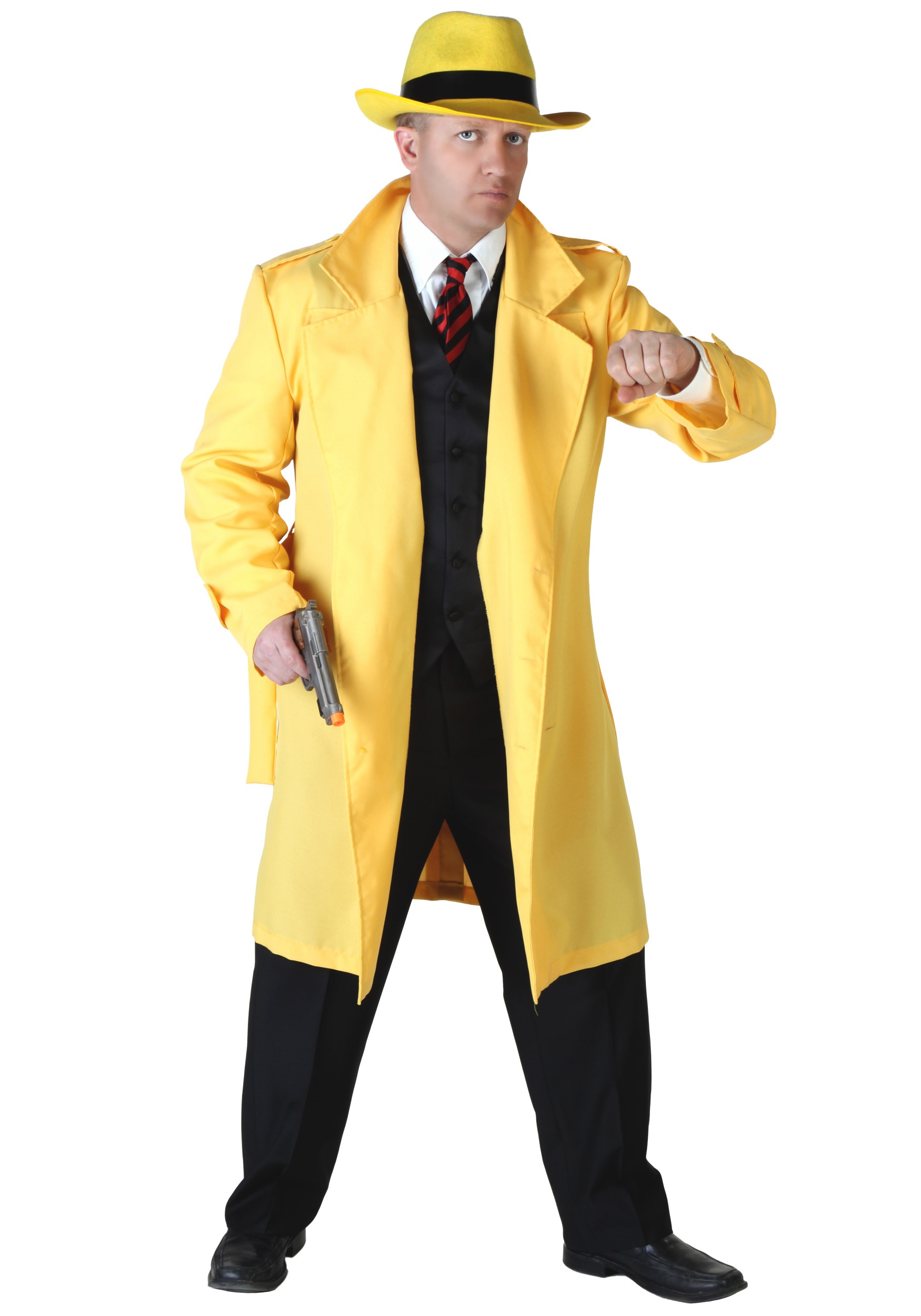
Yellow is a loud color. It’s impossible to ignore. When you walk into a room wearing a bright canary yellow, people look. They just do. In the world of cosplay, Halloween, and high-end film production, yellow costumes aren't just a color choice; they’re a psychological power move. Honestly, it’s one of the hardest colors to pull off from a technical standpoint—fabric dye is finicky and lighting it on camera is a total nightmare—but when it works? It becomes iconic. Think about it. Bruce Lee’s jumpsuit. Belle’s ballroom gown. The freaking Banana in Pajamas. These aren't just outfits; they are cultural landmarks.
Most people think choosing a yellow outfit is just about being "bright" or "happy." That's a bit of a misconception. In color theory, yellow is the most visible color of the spectrum. It’s the first thing the human eye processes. This is why it’s used for caution signs and school buses. In costume design, that same "caution" translates to high-energy, high-impact visibility. If you’re at a convention with 50,000 people, the guy dressed as Wolverine is going to be seen from three aisles away. It’s a bold move. It’s also kinda risky because yellow can wash out certain skin tones or look "cheap" if the fabric quality isn't there.
The Cultural Heavyweights of Yellow Costumes
We have to talk about the Kill Bill tracksuit. You know the one. Quentin Tarantino didn't just pick that out of a hat. It was a direct homage to Bruce Lee’s final, unfinished film, Game of Death (1972). Lee chose that specific yellow and black suit because it symbolized his "style with no style"—a rejection of traditional martial arts uniforms. Decades later, Uma Thurman’s "The Bride" wore a nearly identical version. It’s sleek. It’s dangerous. It’s definitely not "mellow." When you're looking for yellow costumes that convey power rather than silliness, this is the gold standard.
Then you’ve got the 1994 classic, The Mask. Jim Carrey’s zoot suit wasn't just yellow; it was "loud" yellow. Costume designer Ha Nguyen purposefully chose that neon-acid shade to match the chaotic energy of the character. It worked because it felt like a cartoon come to life. If that suit had been navy blue, the character wouldn't have felt nearly as manic or unpredictable.
Why the Yellow Power Ranger Still Matters
In the 90s, Trini (played by Thuy Trang) was the anchor for many kids. The Yellow Ranger’s suit wasn't just about the color; it was part of a broader Sentai tradition where yellow often represented the "tech expert" or the "steady hand" of the group. Interestingly, in the original Japanese footage for Zyuranger, the yellow ranger was actually a male character, which is why the yellow suit didn't have a skirt while the pink suit did. Small details like that are why costume nerds stay up at night.
The Technical Struggle: Why DIY Yellow is Hard
Let's get real for a second. If you’re trying to make your own yellow costumes at home, you’re probably going to run into the "opacity problem." Yellow is a notoriously "thin" pigment. If you buy cheap yellow spandex or cotton, it’s going to be see-through. I’ve seen so many cosplayers get caught off guard by convention center lighting. You think you’re fine in your bedroom mirror, but under those industrial fluorescent lights? Everyone can see your undergarments.
- Pro Tip: Always look for "heavyweight" fabrics or double-line your yellow pieces.
- The Dye Factor: If you’re dying fabric yourself using something like Rit Dye, remember that yellow is easily influenced by the base color of the fabric. If your base is slightly blue, you’re getting lime green. Period.
- Weathering: Yellow shows dirt faster than almost any other color. If you’re going for a "gritty" look (like a post-apocalyptic Bumblebee), you need to use brown and black acrylic washes sparingly. Too much and it just looks like a mess.
From Big Bird to Minions: The Psychology of "Friendly" Yellow
There is a reason why almost every "friendly" sidekick or children's character is yellow. It’s approachable. It’s the color of the sun. It’s psychologically linked to optimism and high dopamine levels. Big Bird is the ultimate example. Designed by Kermit Love, that costume uses roughly 4,000 canary feathers. It’s soft, it’s giant, and it’s non-threatening because of that specific hue.
Minions are another case study in brand recognition. Their creators at Illumination Mac Guff specifically chose yellow because it pops against almost any background—whether it’s a gray laboratory or a green field. It’s a marketing masterclass. When you’re looking at yellow costumes for a group, Minions are the go-to because they are incredibly easy to replicate with a yellow hoodie and some denim overalls. Simple. Effective. Kind of annoying after a while, but effective.
The "Gold" vs. "Yellow" Debate in Hero Gear
In the world of DC and Marvel, yellow is often a stand-in for gold. Look at Wonder Woman or Captain Marvel. Their suits have heavy yellow accents that are meant to read as metallic. However, some characters embrace the "flat" yellow.
Wolverine’s classic "Tiger Stripe" suit is a prime example. For years, the movies avoided the yellow because they thought it looked "silly" or "unrealistic." They went with black leather instead. But fans hated it. Why? Because the yellow is part of Logan’s identity. It’s a "look at me" suit for a character who doesn't care if you see him coming. When Deadpool & Wolverine finally put Hugh Jackman in the bright yellow spandex, the internet basically broke. It proved that audiences actually want the color. They want the comic book accuracy.
Real-World Impact: What to Wear When
If you’re choosing between different yellow costumes for an event, you have to consider the "vibe." Not all yellows are created equal.
- Mustard Yellow: This is your "Wes Anderson" yellow. It’s sophisticated, retro, and looks great in photos. Think Moonrise Kingdom.
- Neon/Electric Yellow: This is for high-energy rave gear or futuristic cyberpunk looks. It glows under blacklight.
- Pastel/Lemon Yellow: This is very "Easter" or "vintage 1950s." It’s soft and polite.
- Safety Yellow: This is for your "Village People" construction worker or your Breaking Bad hazmat suit. It’s functional and gritty.
The Hazmat Suit Phenomenon
Speaking of Breaking Bad, the yellow Tyvek suits worn by Walter White and Jesse Pinkman became one of the most popular yellow costumes of the 2010s. It’s a weird one because it’s a literal piece of safety equipment. But it became a symbol of the show’s "professionalism meets chaos" aesthetic. It’s also one of the few yellow outfits that actually looks better when it’s a little bit dirty and wrinkled.
Making It Work: Makeup and Accessories
You can’t just throw on a yellow outfit and call it a day. The color reflects back onto your skin. If you’re wearing a bright yellow collar, it’s going to cast a sallow or greenish tint onto your jawline. You have to counteract this with your makeup.
Usually, you want to lean into warmer tones. Peaches, corals, and warm browns help balance the coolness that some yellow fabrics can project. Avoid purples or heavy blues in your eye makeup unless you’re specifically going for a high-contrast, "Lakers" color scheme. It’s all about the balance.
For accessories, black is the classic pairing (think Winnie the Pooh or a honeybee), but it can look a bit "costumy." If you want to look more high-end, pair yellow with deep charcoals, navys, or even a crisp white.
Actionable Steps for Your Next Yellow Look
If you're ready to commit to the boldest color in the box, here is how you actually execute it without looking like a highlighter.
- Check the Transparency: Before you buy, put your hand inside the fabric and stretch it. If you can see your skin tone through the yellow, keep looking.
- Match the Shade to the Character: Don't use neon yellow for a Belle dress. Don't use mustard yellow for a Pikachu. The specific shade is what makes the character recognizable.
- Invest in a Good Steamer: Yellow shows every single wrinkle. A wrinkled yellow cape looks like a discarded mustard packet. Steam it until it’s crisp.
- Consider the Lighting: If you are going to be outdoors in the sun, yellow will be blindingly bright. If you’re in a dark club, it will be the only thing people see. Plan accordingly.
Yellow isn't a "safe" choice. It’s a statement. Whether you're going as Spongebob, a Greek goddess in a saffron robe, or a high-octane superhero, you’re choosing to be the focal point of the room. Own it. The most important part of wearing yellow costumes is the confidence. If you look like you’re having fun, the color works. If you look shy, the color wears you. So, pick your shade, check your fabric density, and get ready to stand out.
Next Steps for Your Costume Build:
- Research "GSM" (grams per square meter) when buying fabric online to ensure your yellow spandex isn't too thin.
- Look into "Cyc" lighting tutorials if you plan on filming your costume, as yellow requires specific white balance settings to avoid looking "muddy" on digital sensors.
- Explore fabric paint brands like Angelus if you need to add custom black stripes or details to yellow leather or vinyl.



