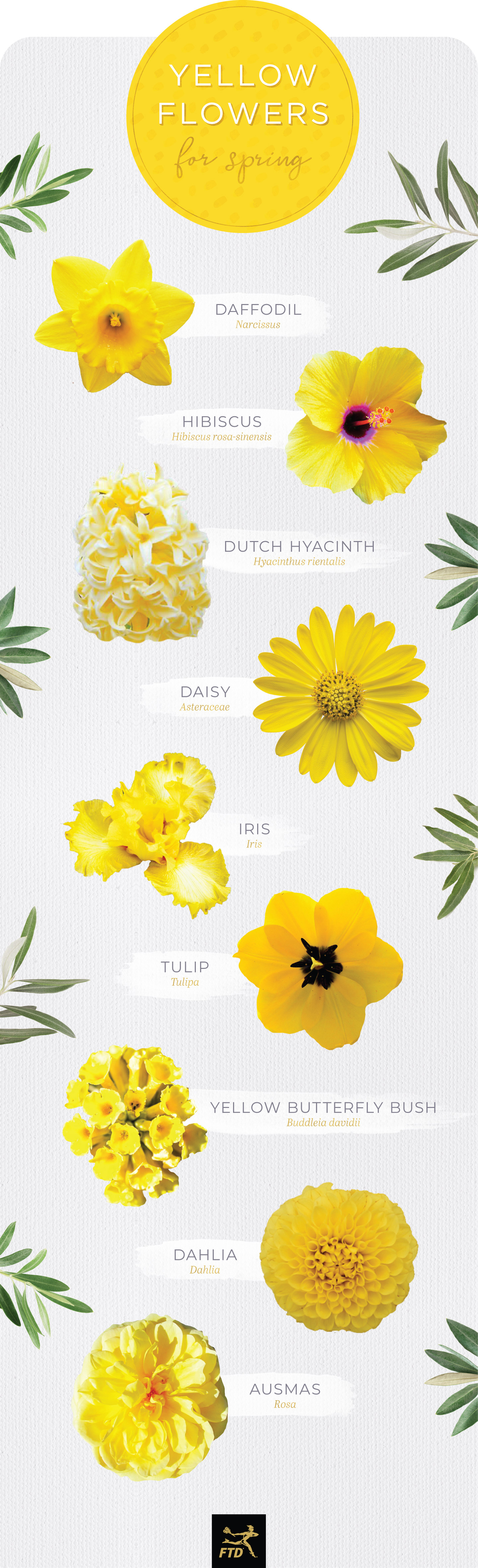
Yellow is a loud color. It’s the visual equivalent of a double shot of espresso on a Tuesday morning when you'd rather be sleeping. When people search for a yellow color flowers name, they usually aren't looking for a botany lecture; they just want to know what won't die in their backyard and what looks good next to a fence.
Most lists you find online are kinda generic. They give you the basics, like sunflowers or roses, but they forget that a "yellow flower" could be a tiny weed or a massive perennial that takes over your entire life. Yellow is technically the most visible color in the spectrum for human eyes. It stands out. Evolutionarily, it’s a beacon for pollinators. For us? It's just a mood booster.
Why Yellow Color Flowers Name Lists Often Fail You
Honestly, the problem with most gardening advice is that it treats every yellow flower the same. A Marigold is not a Hibiscus. One thrives on neglect in a clay pot; the other will drop dead if the humidity isn't exactly right. You’ve probably noticed that yellow flowers dominate the spring and late summer seasons. Think about Daffodils in March and Goldenrod in September.
There's a biological reason for this. Many early-season flowers use yellow to attract the few bees that are awake and hungry. It's a high-contrast signal against the brown, muddy earth of early spring. If you're looking for a specific yellow color flowers name to fill a gap in your landscaping, you have to look at the bloom time. Otherwise, you'll end up with a garden that's bright for two weeks and boring for the other fifty.
The Spring Starters: Beyond the Basic Daffodil
Everyone knows the Narcissus. It's the classic. But have you ever looked at the Winter Aconite? It’s basically a yellow buttercup that has the audacity to bloom while there’s still snow on the ground. It’s tiny, maybe three inches tall, but it’s tough as nails.
Then there’s the Forsythia. It’s a shrub, not a clipped flower, but it’s the first real "wall of yellow" you’ll see in the suburban landscape. It doesn't even bother growing leaves first. It just explodes into gold. If you want a yellow color flowers name that defines the end of winter, that's your winner. People often prune them into boring squares, which is a mistake. Let them be wild.
Mid-Summer Heavy Hitters
When the heat really kicks in, the delicate spring stuff fades. This is where the Rudbeckia comes in. You probably call them Black-eyed Susans. They are the workhorses of the yellow flower world. Seriously. They don’t care about heatwaves. They don’t care if you forget to water them for three days.
- Coreopsis (Tickseed): These are little bursts of sunshine. They have a fringed edge that makes them look a bit more "designer" than a standard daisy.
- Daylilies (Hemerocallis): Specifically the 'Stella de Oro' variety. It’s the yellow flower you see in every McDonald’s parking lot and office park for a reason: it is nearly impossible to kill.
- Yarrow: The 'Moonshine' variety is a pale, buttery yellow. It’s great because the foliage looks like ferns, providing a texture that most other yellow flowers lack.
The Science of Yellow: Why Your Eyes Love It
It’s not just a preference. It’s physics. The wavelength of yellow light is long enough to be easily processed by the human eye without much strain. In the garden, yellow functions as a "highlight" color. It makes the greens look deeper and the purples look more vibrant.
If you're looking for a yellow color flowers name that adds depth, don't just go for "bright yellow." Look for "primrose" or "lemon." These shades have a bit of green in them. They feel cooler. On the flip side, "golden" or "amber" yellows have red undertones. They feel warm and heavy, perfect for late August when the air feels like a warm blanket.
The Misunderstood "Weeds"
Let's talk about Dandelions. People spend billions of dollars trying to kill them. But if you're looking for a yellow color flowers name that represents pure resilience, that's it. They are actually edible (the greens, anyway) and they’re the first food source for bees.
Another "weed" that is actually a garden powerhouse is the Goldenrod (Solidago). People blame it for hayweed. That’s a lie. Ragweed is the culprit for your sneezing; Goldenrod just happens to bloom at the same time and gets the blame because its yellow is so flashy. It’s a native plant in much of North America and supports hundreds of species of butterflies.
How to Choose the Right Yellow for Your Space
Sunlight is the dealbreaker. If you pick a yellow color flowers name like "Sunflower" (Helianthus) and put it in the shade, it will get "leggy." It’ll stretch its neck out, looking for the sun, and eventually fall over. It’s sad.
- Full Sun (6+ hours): Sunflowers, Zinnias, Marigolds, Coreopsis.
- Partial Shade: Yellow Primrose, certain varieties of Begonias, and the "Yellow Corydalis."
- Wet Soil: Yellow Iris (Iris pseudacorus) loves having its "feet" wet. It’ll grow right in a pond.
Zinnias: The Beginner's Best Friend
If you want a yellow color flowers name that lets you feel like a pro florist, grow Zinnias. You throw the seeds in the dirt in May. By July, you have flowers. The more you cut them, the more they grow. It’s a weird biological hack. The 'Benary’s Giant Yellow' is a specific variety that looks like a pom-pom. It’s sturdy. It doesn't wimp out in a vase after two hours.
Actionable Tips for a Yellow-Focused Garden
Don't just buy the first yellow plant you see at the big-box store. Those plants are often pumped with nitrogen to look good on the shelf but struggle once they get into your actual soil.
- Check the "True" Color: Yellow can be neon, or it can be cream. Mixing them can sometimes look messy. Stick to a "warm" yellow palette or a "cool" yellow palette.
- Deadheading is Mandatory: For flowers like Marigolds or Black-eyed Susans, you have to snip off the dead ones. This tells the plant, "Hey, I'm not done yet," and it’ll produce more blooms.
- Soil pH Matters: Some yellow flowers, like certain lilies, will turn a weird sickly green-yellow if your soil is too alkaline. A simple $10 test kit from the hardware store saves you a lot of heartbreak.
- Height Hierarchy: Put your Sunflowers in the back. Put your low-growing Portulaca (Moss Rose) in the front. It sounds obvious, but you'd be surprised how many people hide their best blooms behind a wall of leaves.
The best yellow color flowers name is the one that actually fits your lifestyle. If you're busy, go for perennials like Sedum 'Angelina'—it’s a yellow succulent that basically grows itself. If you like the ritual of gardening, go for the fussy but beautiful Yellow Tea Rose.
Yellow isn't just a color; it’s a tool for changing the energy of your outdoor space. It’s bright, it’s unapologetic, and frankly, every garden needs at least a little bit of it to feel alive.
Next Steps for Your Garden:
- Identify the sun exposure in your yard by checking it at 10 AM, 2 PM, and 6 PM.
- Buy seeds for Zinnias or Marigolds if you want an easy win this season.
- Avoid planting Goldenrod if you have a very small, manicured space, as it tends to spread via rhizomes and can be aggressive.
- Visit a local nursery rather than a chain store to find varieties that are native to your specific climate zone.