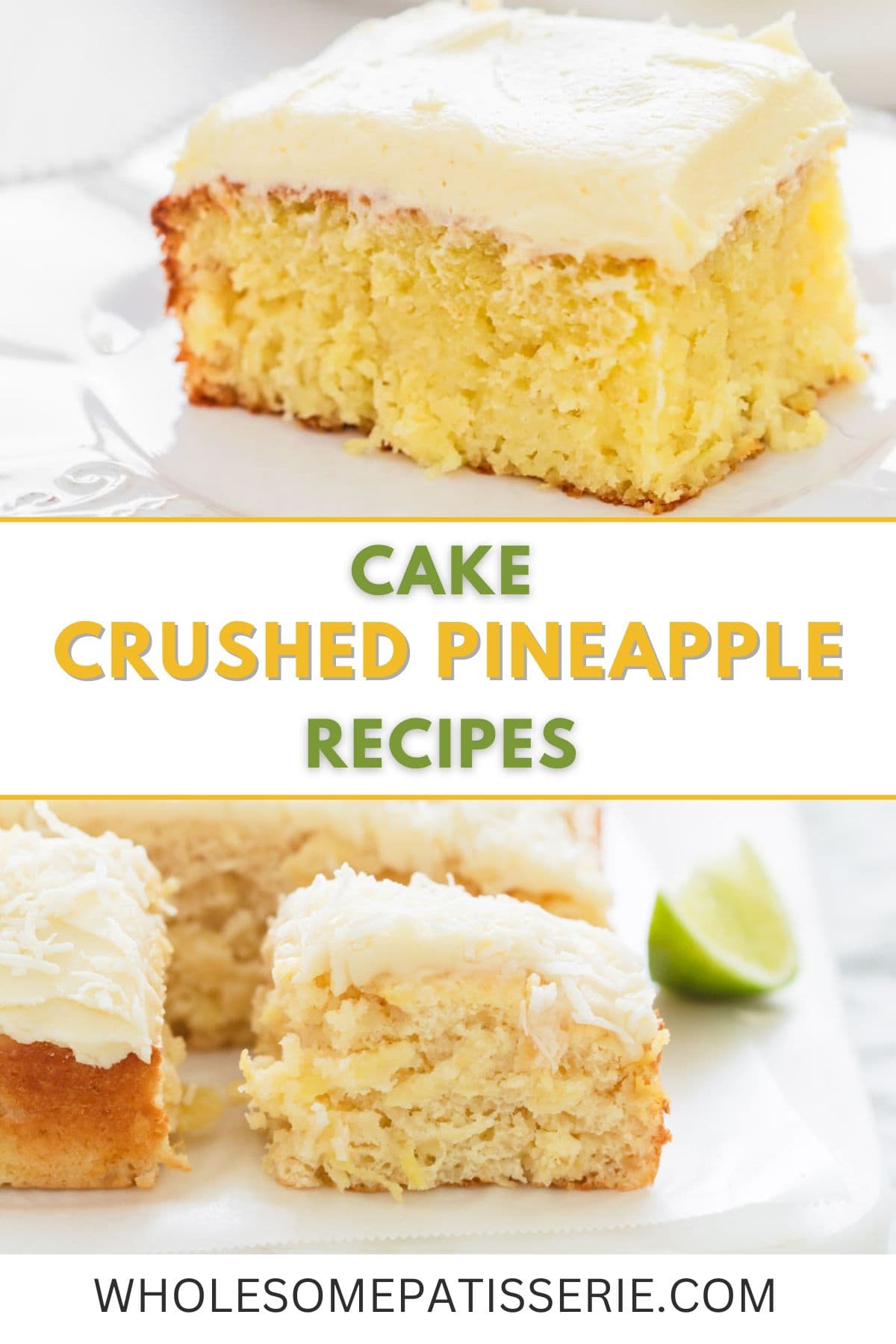
You’ve seen the videos. Someone dumps a can of fruit into a bowl of dry powder, stirs it twice, and claims it’s "the best cake ever." Usually, that's just internet hyperbole. But when it comes to combining yellow cake mix with crushed pineapple, the chemistry actually backs up the hype. It’s a trick that has been floating around community cookbooks for decades, long before TikTok made "dump cakes" a personality trait.
It’s simple.
Maybe too simple? Some people think you need eggs, oil, and water to make a boxed mix taste like something other than cardboard. They're wrong. When you use yellow cake mix with crushed pineapple as your primary base, you're essentially bypassing the traditional fat-and-liquid structure of a sponge cake and leaning into the natural acidity and moisture of the fruit.
The results aren't just passable. They're dense, moist, and weirdly professional-tasting.
The Science of the "No-Egg" Rise
If you look at a standard box of Duncan Hines or Betty Crocker yellow cake mix, you'll see leavening agents like baking soda or monocalcium phosphate. Usually, these need the lift provided by beaten eggs to create a light crumb. However, crushed pineapple is naturally acidic, sitting at a pH of about 3.3 to 4.0. When that acid hits the chemical leaveners in the mix, it creates an immediate reaction. Carbon dioxide bubbles form. The cake rises.
It won't be as "fluffy" as a birthday cake.
It’ll be more like a cross between a snack cake and a pudding cake. That's the secret. You aren't just making a shortcut; you're changing the texture entirely. Food scientists often point out that the pectin in the pineapple also acts as a stabilizer, helping the cake hold together without the protein structure that eggs usually provide. It’s a hack that works because of chemistry, not luck.
Why Yellow Cake Mix Wins Over White or Spice
You could technically use any mix, but yellow cake mix with crushed pineapple is the gold standard for a reason. Yellow mix typically contains more "butter" flavoring and a higher density of egg yolk solids (even in the dry powder) compared to white cake mix. This richness balances the sharp, tropical tang of the pineapple.
Spice cake is okay. It’s fine. But it competes with the fruit.
White cake tends to get a bit gummy when it hits the pineapple juice. Yellow cake has that nostalgic, custardy backbone that makes the whole thing feel like a "Pineapple Upside Down Cake" but without the stress of flipping a hot pan and hoping the maraschino cherries stayed in place.
Honestly, it’s about the color, too. That golden hue just looks right.
Variations That Actually Make Sense
If you just mix a 20-ounce can of crushed pineapple (with the juice!) into a standard 15.25-ounce box of yellow cake mix, you'll get a solid result. But if you want to elevate it, there are a few ways to go that don't involve a trip to a specialty grocery store.
- The Tropical Fat Add: Add a half-cup of shredded sweetened coconut. It changes the texture from "smooth" to "chewy" and moves the flavor profile toward a Piña Colada.
- The "Preppy Kitchen" Approach: Instead of just dumping it in, whisk the dry mix first to get rid of clumps. It seems like a small step. It matters.
- The Sour Cream Secret: Stir in a half-cup of full-fat sour cream. This adds a fat component that the basic two-ingredient version lacks, giving you a much tighter, more tender crumb that mimics a pound cake.
Some people swear by adding a splash of vanilla extract or even rum extract. I think it's a good move. It masks that "boxed" aftertaste that some of the cheaper brands have.
The Most Common Mistakes People Make
Don't drain the can. I cannot stress this enough. If you drain the juice from the crushed pineapple, you are removing the hydration and the acid required to make the cake rise. You'll end up with a dry, crumbly mess that stays flat in the pan. Use the whole can.
Another mistake? Over-mixing.
Once the flour is wet, the gluten starts to develop. If you beat this batter like it's a meringue, the cake will come out tough. Just stir it until you don't see any more streaks of yellow powder. That's it. It’s supposed to look a little lumpy because of the fruit bits.
Also, watch your pan size. A 9x13 is standard, but because this cake is so moist, it can sometimes take longer to bake in the center than the box instructions suggest. Use a toothpick. If it comes out with wet batter, give it five more minutes.
Beyond the Pan: Different Ways to Serve
This isn't the kind of cake you frost with thick, heavy chocolate buttercream. It would be too much.
Instead, most experts—and by experts, I mean the grandmas who have been making this for church potlucks since 1974—suggest a "Cool Whip" frosting. You can fold a little bit of extra crushed pineapple into whipped topping and spread it over the cooled cake. It stays light.
Or, if you want something more decadent, a cream cheese glaze is the way to go. Mix 4 ounces of softened cream cheese, a cup of powdered sugar, and just enough pineapple juice to make it pourable. Drizzle it while the cake is still slightly warm so it seeps into the top layer.
Is It Actually "Healthy"?
People often label yellow cake mix with crushed pineapple as a "low-fat" alternative because there’s no added oil or butter. While that's technically true, don't trick yourself into thinking it's a salad. You're still dealing with the sugar content of the mix and the natural (and sometimes added) sugars in the canned fruit.
If you're watching your sugar intake, look for "pineapple in its own juice" rather than "pineapple in heavy syrup." It makes a massive difference in the final flavor. The syrup version can be cloying. The juice version is bright and refreshing.
Practical Steps for Your Next Bake
If you're ready to try this, don't overthink it. Grab a box of yellow cake mix and a 20oz can of crushed pineapple.
- Preheat your oven to 350 degrees Fahrenheit.
- Grease your pan thoroughly—pineapple is sticky and will cling to the edges.
- Combine the two ingredients in one large bowl.
- Bake for approximately 25 to 30 minutes, but start checking at the 22-minute mark if you’re using a dark metal pan.
- Let it cool completely before you even think about cutting it. Because of the high moisture content, a hot pineapple cake will just fall apart if you try to slice it too early.
The beauty of this recipe is its reliability. It’s a foundational technique that you can build on once you realize how the acid interacts with the mix. From there, you can start experimenting with other fruit-and-mix combinations, though few reach the iconic status of the yellow and pineapple duo.
Check the expiration date on your mix. Old leavening agents won't react as strongly with the pineapple juice, resulting in a dense, gummy brick. Freshness matters, even with "instant" food. Once the cake is cooled, store it in the refrigerator. The fruit makes it prone to spoiling faster at room temperature than a standard dry cake, plus it actually tastes better when it's cold. The flavors settle and the pineapple becomes even more pronounced.



