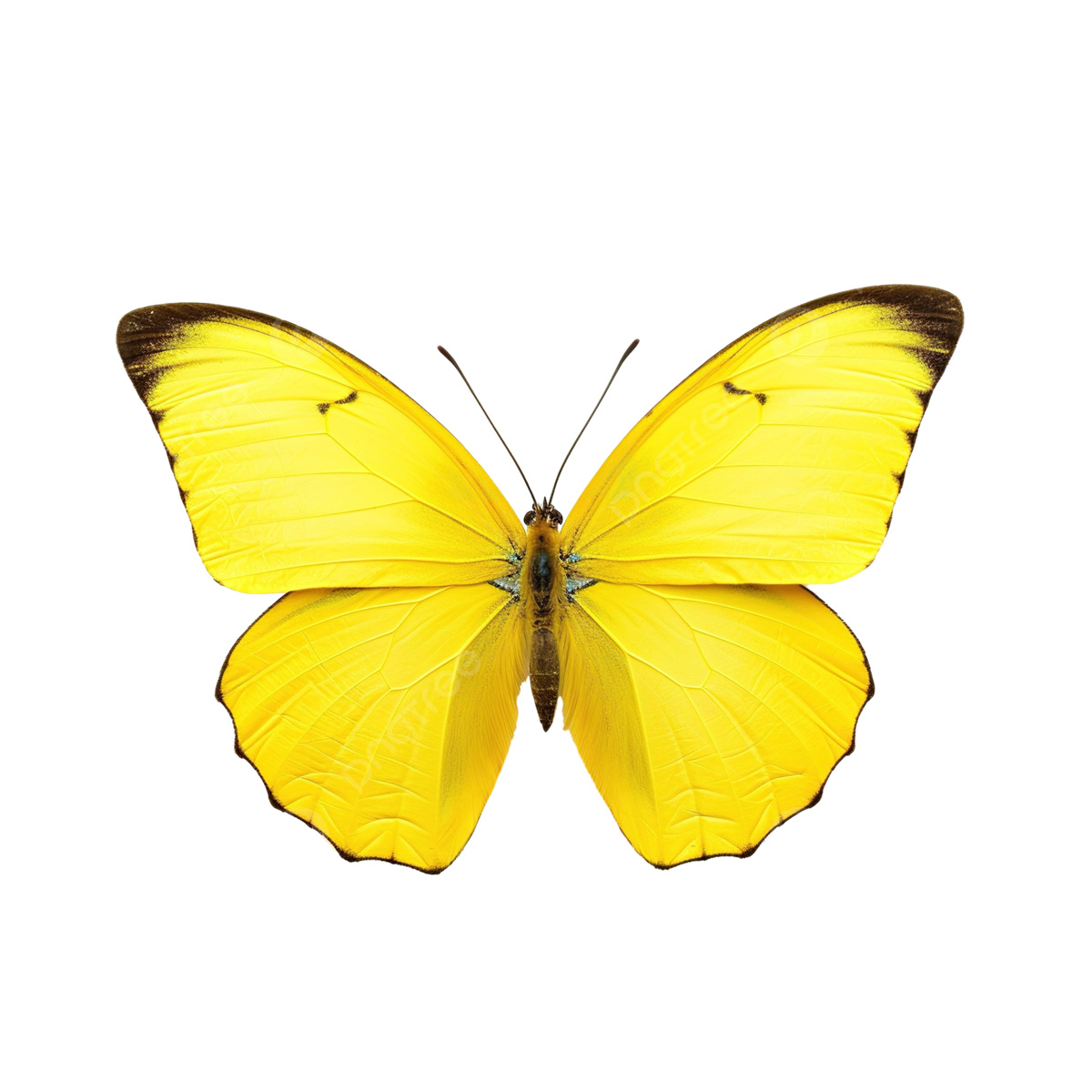
You see it. A flash of gold near the zinnias. You grab your phone, hoping to snag some decent pics of yellow butterflies before the wind catches them. But here is the thing: most people just call them "yellow butterflies" and move on. That is a mistake. Honestly, once you start looking closer at the wings—the veins, the tiny black smudges, the way they hover—you realize you aren't just looking at one type of bug. You're looking at a massive, complex family tree that spans the entire globe.
It's yellow. Obviously.
But is it a Clouded Sulphur? A Western Tiger Swallowtail? Or maybe a Sleepy Orange? Most of the photos people post online are actually mislabeled. If you want to take photos that actually mean something, or if you’re just trying to identify that blur in your backyard, you’ve got to look past the color. It’s about the "scallop" on the hindwing. It’s about whether they’re puddling in the mud or chasing a mate through the canopy.
The Most Common Culprits in Your Pics of Yellow Butterflies
Most of the time, when you're scrolling through Instagram and see pics of yellow butterflies, you're looking at a member of the Pieridae family. These are the "Whites and Sulphurs." They are ubiquitous. They are also incredibly annoying to photograph because they rarely sit still for more than three seconds.
The Clouded Sulphur (Colias philodice) is the classic. It's that bright, lemon-yellow sprite you see in clover fields. If you manage to get a clear shot of one with its wings closed, you'll see a silver spot in the middle of the hindwing. It looks like a tiny dropped coin. Then you have the Cloudless Sulphur. Don't let the name confuse you; it's larger, much more "electric" in its yellow hue, and it loves the South. According to the Florida Museum of Natural History, these guys are strong migrants. They aren't just fluttering; they are on a mission.
Then there are the Swallowtails. These are the giants. If you get pics of yellow butterflies that look like they belong in a tropical rainforest, it’s probably a Tiger Swallowtail. They have those iconic "tails" on their back wings that mimic antennae to trick birds into biting the wrong end. They are bold. They are beautiful. And they are surprisingly territorial. I’ve seen a Western Tiger Swallowtail chase a much larger bird away from a flower patch just because it felt like it.
Why Your Phone Camera Struggles with Yellow
Yellow is a nightmare for digital sensors. Seriously.
If you've ever tried to take pics of yellow butterflies on a bright afternoon, you probably ended up with a glowing blob of nothingness. The camera's sensor gets "blown out" by the high reflectance of the yellow pigment. Butterflies don't use dye; they use physical structures and pigments like pterins to create that color. In direct sunlight, the yellow bounces back so hard it loses all the detail of the wing veins.
To get a "human-quality" photo, you have to underexpose. Drop that brightness slider on your screen until the yellow looks almost mustard-colored. That’s where the magic happens. Suddenly, the patterns emerge. You see the "eyespots." You see the dust-like scales that make up the wing. It’s the difference between a snapshot and a portrait.
The Weird Science of Puddling
Have you ever seen a group of yellow butterflies sitting on a pile of... well, mud? Or worse? It’s called puddling.
It looks like a social gathering, but it’s actually a nutrient hunt. Male butterflies need sodium and minerals to stay fertile. They find a damp spot—usually enriched by decaying matter or salts—and use their proboscis to suck up the liquid. This is the absolute best time to get pics of yellow butterflies. They are distracted. They are essentially "eating," and they’ll let you get inches away.
Biological experts like those at the Academy of Natural Sciences have noted that this behavior is almost exclusively male. They take these nutrients and "gift" them to the females during mating. It’s a nuptial gift. Sort of like a box of chocolates, but made of salt and mud.
Common Misidentifications That Drive Lepidopterists Crazy
- The Cabbage White: People see a pale butterfly and assume it's a "faded" yellow one. Nope. That's a Cabbage White (Pieris rapae). They are actually white, but under certain lights, they look cream-colored.
- The Little Yellow: Yes, that is its real name (Pyrisitia lisa). It’s tiny. If your photo shows a butterfly the size of a nickel, it’s this one, not a "baby" version of a bigger species. Butterflies don't grow once they have wings. They come out of the chrysalis full-sized.
- Moths: Not every yellow winged-thing is a butterfly. The Yellow Underwing is a moth. You can tell the difference by the antennae. Butterflies have "clubs" at the end. Moths have feathery or tapered ones.
Where to Find the Best Shots
You can't just walk outside and expect a National Geographic moment. Timing is everything. Butterflies are solar-powered. They literally cannot fly if their body temperature is too low.
Early morning is the "golden hour" for two reasons. First, the light is soft, so you won't blow out the yellow pigments. Second, the butterflies are cold. They’ll often sit on a leaf with their wings spread wide to soak up the sun. This is called "basking." It is the only time you will get a perfectly symmetrical overhead shot. By noon, they are caffeinated on sunlight and moving too fast to track.
Look for nectar sources. Not just any flowers. They love Zinnias, Butterfly Bush (Buddleia), and Milkweed. But if you want the rare pics of yellow butterflies like the Giant Swallowtail, you need to find citrus trees or Prickly Ash.
The Cultural Weight of a Yellow Wing
Across different cultures, seeing a yellow butterfly means vastly different things. In some Native American traditions, they are symbols of guidance and hope. In old Irish folklore, they were thought to be the souls of the departed waiting to cross over.
There’s a reason we find them so captivating. They represent a brief, flickering life that is nonetheless vibrant. When you capture pics of yellow butterflies, you’re capturing a moment that literally won't exist in two weeks. Most adult butterflies only live for about 10 to 14 days. That’s it. That’s their whole window to find a mate, lay eggs, and avoid being eaten by a sparrow.
How to Level Up Your Butterfly Photography
Stop chasing them.
Seriously. If you run after a butterfly, it perceives you as a giant, clumsy predator. It will leave. Instead, find a good flower and sit down. Wait. Let the garden settle. Within ten minutes, the local residents will forget you’re there.
- Use a Macro Lens: If you’re on a phone, use the "Macro" mode (usually the little flower icon).
- Watch the Background: A yellow butterfly against a green leaf pops. A yellow butterfly against a yellow flower is a mess.
- Focus on the Eye: If the eye is sharp, the whole photo feels professional. If the wing is sharp but the eye is blurry, the photo feels "off."
- Burst Mode is Your Friend: They flutter their wings constantly. Take 20 photos in a second, and one of them will catch the wings at the perfect angle.
Turning Your Photos Into Citizen Science
Don't let your pics of yellow butterflies just sit in your camera roll.
Apps like iNaturalist or eButterfly allow you to upload your sightings. Real scientists use this data to track migration patterns and climate change impacts. For example, the Xerces Society for Invertebrate Conservation uses crowdsourced photos to monitor the health of pollinator populations. Your "cool photo" could actually be a vital data point in protecting a species from extinction.
It’s easy to think of these insects as just pretty decorations for our gardens. But they are indicators. If the yellow butterflies vanish, the ecosystem is in trouble. They are the "canaries in the coal mine," except they are much smaller and harder to hit with a camera.
Practical Steps for Your Next Outing
To move beyond basic snapshots and get gallery-worthy pics of yellow butterflies, follow these specific steps during your next walk:
- Lower your exposure compensation by at least -0.7 or -1.0. This preserves the delicate vein details in the yellow wings.
- Angle yourself so the sun is behind you or to the side. Never shoot directly into the sun unless you want a silhouette.
- Identify the host plant. If you see a yellow butterfly hovering around a specific weed, it might be looking for a place to lay eggs. This leads to much more interesting "action" shots than just sitting on a flower.
- Check the antennae. Before you hit save, look at the antennae in your viewfinder. If they are clubbed, you’ve got a butterfly. If they aren't, you might have found a rare diurnal moth, which is an even cooler find.
- Record the location. Knowing where a specific Sulphur or Swallowtail was spotted helps with identification later, as many species are region-specific.
Taking a great photo isn't about having the most expensive camera. It's about knowing that "yellow" is just the beginning of the story. Once you know the difference between a Dainty Sulphur and a Southern Dogface, your photos start to tell that story. The next time you see that flash of gold, don't just click. Observe. Wait for the bask. Then, take the shot.