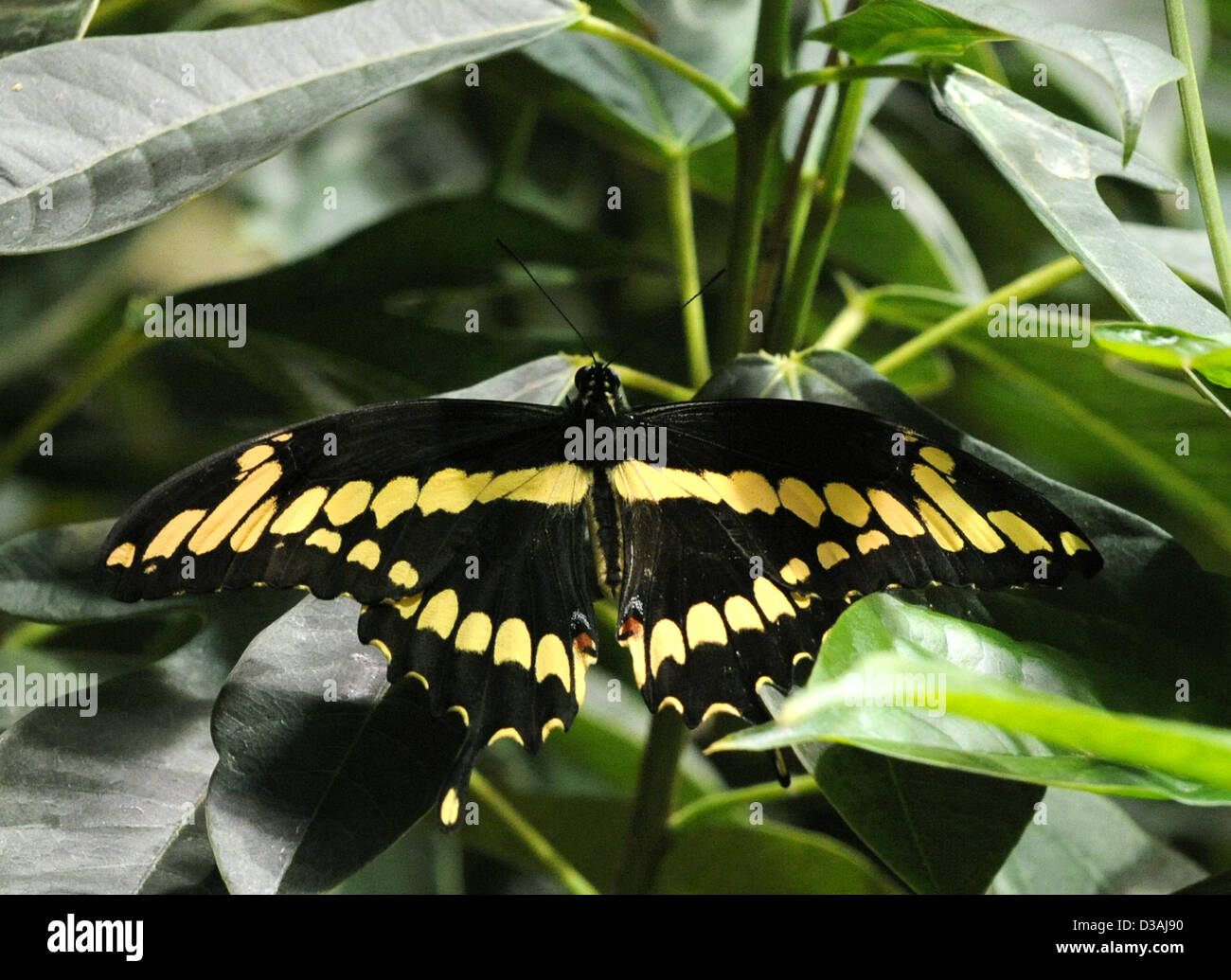
You see it floating over the zinnias. It’s huge. It’s bright. That striking yellow black butterfly swallowtail look is unmistakable, yet honestly, most of us are misidentifying them half the time. We see a flash of gold and black and shout "Tiger Swallowtail!" but nature is never that simple.
There are actually several species that fit this description. They look like twins to the untrained eye. But they aren't.
If you’re in North America, you’re likely looking at one of three big players: the Eastern Tiger Swallowtail (Papilio glaucus), the Western Tiger Swallowtail (Papilio rutulus), or perhaps the Anise Swallowtail (Papilio zelicaon). They all share that iconic "swallowtail" look—those delicate extensions on the hindwings that look like the tails of a swallow bird. Evolution is wild. Those tails actually serve a purpose; they trick birds into attacking the wrong end of the butterfly. A bird snaps at the tail, gets a mouthful of wing-dust, and the butterfly flutters away, battered but very much alive.
The Tiger in Your Backyard
The Eastern Tiger Swallowtail is the heavyweight champion of the eastern U.S. and Canada. If you’ve ever seen a yellow black butterfly swallowtail that looks like it has literal tiger stripes—four vertical black bars on each forewing—that’s your culprit.
Females are fascinating. They play a weird genetic game. Most are yellow, but some are "dark morphs." They turn almost entirely black, mimicking the Pipevine Swallowtail, which is toxic to birds. It’s a survival strategy called Batesian mimicry. Basically, they're wearing a costume that says "I taste like poison," even though they're perfectly edible.
Check the hindwings. On a true Eastern Tiger, you’ll see a row of yellow spots along the edge. On the underside, there’s often a wash of orange and blue. If you’re out west, the Western Tiger Swallowtail looks nearly identical, but it usually lacks that heavy orange dusting on the underside. They prefer the canyons and riverbeds, often hanging out near cottonwoods and willows.
It's Not Always a Tiger
Sometimes that yellow black butterfly swallowtail isn't a "tiger" at all. Take the Anise Swallowtail.
These guys are smaller. They look "busier." Instead of clean vertical stripes, their wings are mostly black with huge, chunky yellow patches. If you look at their body, it’s mostly black with a yellow stripe down the side. Tiger swallowtails, by contrast, have a much more "yellow-heavy" body.
Then there’s the Giant Swallowtail (Papilio cresphontes). Calling it "yellow and black" is an understatement. It’s the largest butterfly in the U.S. and Canada. From above, it looks mostly black with a bold diagonal band of yellow spots. But when it closes its wings? It’s almost entirely creamy yellow. It looks like a dead leaf or a piece of bark from a distance. Their caterpillars are even weirder—they look exactly like bird droppings. Seriously. It's an incredible defense mechanism. No bird wants to eat what it just produced.
The Secret Life of a Swallowtail
Why do they hang out in your garden? They aren't just there for the vibes.
They need two things: nectar (energy) and host plants (nurseries). Most people plant flowers but forget the leaves. Swallowtails are picky parents. The Eastern Tiger wants wild cherry, tulip trees, or magnolia. The Anise Swallowtail wants fennel, dill, or parsley. If you see a yellow black butterfly swallowtail fluttering low around your herb garden, she’s probably not eating. She’s "tasting" the leaves with her feet to see if they’re the right species for her eggs.
What They Eat
Adults love the high-sugar stuff.
- Zinnias (the ultimate butterfly magnet)
- Butterfly Bush (Buddleia)—though some conservationists aren't fans because it's non-native.
- Joe Pye Weed
- Milkweed (not just for Monarchs!)
- Ironweed
Puddling: The "Guy's Night" of Butterflies
Ever see a group of yellow swallowtails huddled around a muddy puddle? It’s called puddling. These are almost always males. They aren't drinking water because they're thirsty; they're mining for minerals and sodium. They need these nutrients to produce pheromones and to pass along to the female during mating to ensure the eggs are viable. It’s basically a nutritional supplement for their future kids.
Identifying the "Look-alikes"
| Feature | Eastern Tiger Swallowtail | Anise Swallowtail | Giant Swallowtail |
|---|---|---|---|
| Primary Color | Bright Yellow | Black with Yellow Patches | Dark Brown/Black |
| Markings | 4 vertical black stripes | Yellow "windows" | Diagonal yellow band |
| Size | Large (3-5 inches) | Medium (2-3 inches) | Huge (up to 6 inches) |
| Host Plant | Trees (Cherry, Ash) | Herbs (Fennel, Dill) | Citrus, Prickly Ash |
Why They Are Disappearing (And How to Stop It)
We’re losing them. Habitat loss is real. But the bigger culprit for the yellow black butterfly swallowtail in suburban areas is the "perfect" lawn.
Neonicotinoids—a fancy word for a common class of pesticides—are devastating. When you spray your roses or your lawn, that poison ends up in the nectar. The butterfly drinks it and its nervous system fries. Or, even worse, the pesticide stays on the leaves. A caterpillar eats one leaf and dies before it ever gets to be that beautiful yellow icon.
Also, we’ve become too obsessed with "clean" yards. Swallowtails overwinter in chrysalises that look like little brown sticks. They often attach themselves to dead tall grass or fallen branches. When we "clean up" the garden in October and bag up all the dead plant matter, we’re literally throwing next year's butterflies into the landfill.
Real Tips for Your Garden
If you want to see more of these, you have to change how you garden. It's not just about the flowers.
- Plant the "Sacrificial" Herbs. Plant way more dill and fennel than you need. Expect the caterpillars to eat it. Let them. They aren't "pests"; they're the guests of honor.
- Stop the Spray. Honestly, just stop using broad-spectrum insecticides. If you have aphids, use a blast of water from the hose or some neem oil very selectively.
- Leave the Leaves. Keep a corner of your yard "messy." Leave the dead stalks until late spring when the ground warms up. That’s when the new swallowtails emerge.
- Provide a "Bar." Put out a shallow dish with wet sand and a pinch of sea salt. This creates a safe "puddling" spot for the males.
Watching a yellow black butterfly swallowtail glide through a yard is one of those small joys that makes life better. They’ve been around for millions of years, navigating a world that’s getting harder for them to survive in. Identifying them correctly is the first step. Protecting their weird, bird-poop-looking caterpillars is the second.
Actionable Steps for Enthusiasts
Identify which swallowtail is native to your specific zip code using a resource like Butterflies and Moths of North America (BAMONA). Once you know your local species, purchase at least two host plants (trees or herbs) and three high-nectar native perennials. Avoid "cultivars" that have been bred for double-blooms, as these often produce little to no nectar. Instead, look for "straight species" at native plant nurseries. By late June, you should see the first generation of adults scouting your yard for a place to start the cycle again.



