Everyone thinks they know the Yellow Bird song Harry Belafonte made famous. You’ve heard it at weddings. You’ve heard it on cruise ships. Honestly, it’s often treated like musical wallpaper—something breezy and tropical to sip a mai tai to. But if you actually sit down and listen to the lyrics, it’s kinda heartbreaking. It isn’t some happy-go-lucky beach anthem. It’s a song about loneliness and the transient nature of love, wrapped in a deceptively sweet melody.
Belafonte didn't just sing songs; he curated them. When he released his version on the 1959 album Belafonte Returns to Carnegie Hall, he was already the undisputed "King of Calypso." But "Yellow Bird" has a weird, winding history that stretches far beyond the shores of Jamaica.
The Surprising Origins of the Yellow Bird Song
Most people assume "Yellow Bird" is a traditional folk song from the West Indies. That’s only half right. The melody actually comes from a Haitian song called "Choucoune," composed by Michel Mauléart Monton in the late 1800s. The original lyrics were a poem by Oswald Durand. It told a story about a guy who gets his heart absolutely trashed by a woman with "fine teeth" who leaves him for a white man.
Pretty heavy, right?
Fast forward to the 1950s. Songwriters Alan and Marilyn Bergman (who later became legendary for their work with Barbra Streisand) took that Haitian tune and gave it English lyrics. They stripped away the specific heartbreak of the Haitian poem and replaced it with a more universal, metaphorical sadness. When you hear the Yellow Bird song Harry Belafonte version, you’re hearing that specific 1950s reimagining. It became a staple of the "Calypso Craze" that swept through America, largely driven by Belafonte’s charisma and his ability to make folk music feel both sophisticated and raw.
He had this way of phrasing things. Belafonte didn't just belt it out. He sang it with this sort of weary tenderness. He makes you feel for that bird.
Why Belafonte’s Version Changed Everything
In the late fifties, the American music charts were a chaotic mess of rock and roll, jazz, and traditional pop. Belafonte carved out a space that felt entirely separate. While his massive hit "Day-O (The Banana Boat Song)" was a work song—literally about the grind of labor—"Yellow Bird" was the emotional counterpoint.
It’s about a bird sitting "high in banana tree." The narrator sees himself in the bird because his lady has "left the nest." It’s simple. It’s effective. It’s also incredibly catchy, which is why it has been covered by everyone from The Mills Brothers to Lawrence Welk. But nobody—seriously, nobody—captured the melancholy like Harry.
He understood the rhythm. It’s not just about the notes; it’s about the space between them. The way the percussion lightly skitters underneath his voice gives it that swaying feel, like a palm frond in the wind.
Not Actually Calypso?
Strictly speaking, "Yellow Bird" isn't a pure calypso. Real calypso, the kind that originated in Trinidad and Tobago, usually has a strong social or political bite. It’s often satirical. "Yellow Bird" is more of a lyrical folk ballad. Music critics sometimes get pedantic about this, but for the average listener in 1959, it was all part of that "island sound" that Belafonte popularized.
He was a bridge-builder. He took these sounds that were "foreign" to American ears and made them feel like home. He used his fame from songs like this to fund the Civil Rights Movement, often bailing out protesters or funding the Student Nonviolent Coordinating Committee (SNCC). So, while you're listening to a song about a yellow bird, remember that the man singing it was using the royalties to change the world.
The Lyrics: A Deeper Look at the Sadness
Let’s look at the words.
"Yellow bird, you sit all alone like me."
That’s the opening line. It sets the tone immediately. You’ve got this bright, vibrant imagery of a yellow bird, which should be happy, but it’s isolated. The song contrasts the beauty of the Caribbean setting with the internal emptiness of the narrator.
There's a specific line about how "luck is a lady who smiles and flies away." It’s a bit of a cliché now, but in the context of the song, it works. It emphasizes that in the world of the song, happiness is temporary. The bird can fly away. The woman can fly away. Only the narrator stays put, watching.
The Legacy of the Song in Pop Culture
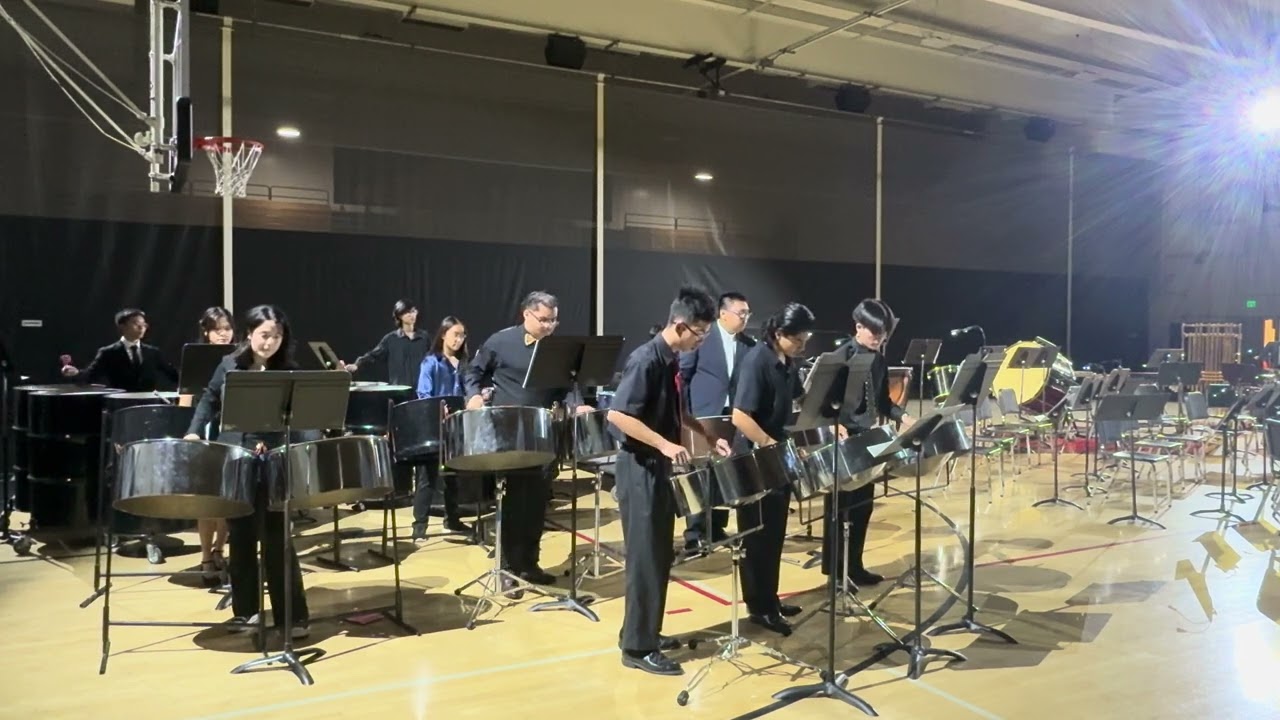
The Yellow Bird song Harry Belafonte recorded didn't stay in the 50s. It became a cultural touchstone. It appeared in movies. It was parodied. It became a standard for steel drum bands across the globe.
You’ll hear it in the background of Mad Men or used ironically in dark comedies. Why? Because it represents a specific era of American optimism and the "exotic" allure of the Caribbean. But for those who know the history of the song—and the history of Belafonte himself—there’s a layer of grit underneath the tropical polish.
Belafonte’s activism is inseparable from his music. Even a "light" song like this was part of a larger project to humanize the Caribbean and its people for a global audience. He wasn't just a singer; he was an ambassador.
Common Misconceptions About the Song
- It’s a Jamaican folk song: Nope. As mentioned, the music is Haitian. The English lyrics are American. It’s a Caribbean-American hybrid.
- It’s a happy song: Only if you don't listen to the words. It’s literally about being alone and losing your partner.
- Belafonte wrote it: He didn't. He just perfected it.
The song's endurance is a testament to the power of a simple melody. You can strip away the big orchestras, the backing vocals, and the fancy production, and the core of the song—that feeling of watching something beautiful leave you—remains intact.
How to Experience This Music Today
If you want to truly appreciate the Yellow Bird song Harry Belafonte gave the world, don't just find a random YouTube clip.
- Listen to the Carnegie Hall Recording: The 1959 live version is the gold standard. You can hear the intimacy of the room. You can hear Belafonte's breath. It feels alive.
- Compare it to "Choucoune": Find a recording of the original Haitian version. It’s fascinating to hear how a song about a specific political and social heartbreak evolved into a universal ballad about a bird.
- Watch Belafonte Perform: If you can find video footage of him from that era, watch his face. He was an actor as much as a singer. He tells the story with his eyes.
- Read His Memoir: If you want to understand the man behind the voice, read My Song. It puts his musical career in the context of his incredible life as an activist and a friend to Dr. Martin Luther King Jr.
Harry Belafonte passed away in 2023 at the age of 96, but his version of this song is basically immortal. It’s a piece of history that continues to drift through the air, much like the bird in the lyrics. It reminds us that even in the most beautiful places on earth, loneliness is part of the human experience. And that’s okay. Because as long as there’s a song to describe it, we aren't really alone.



