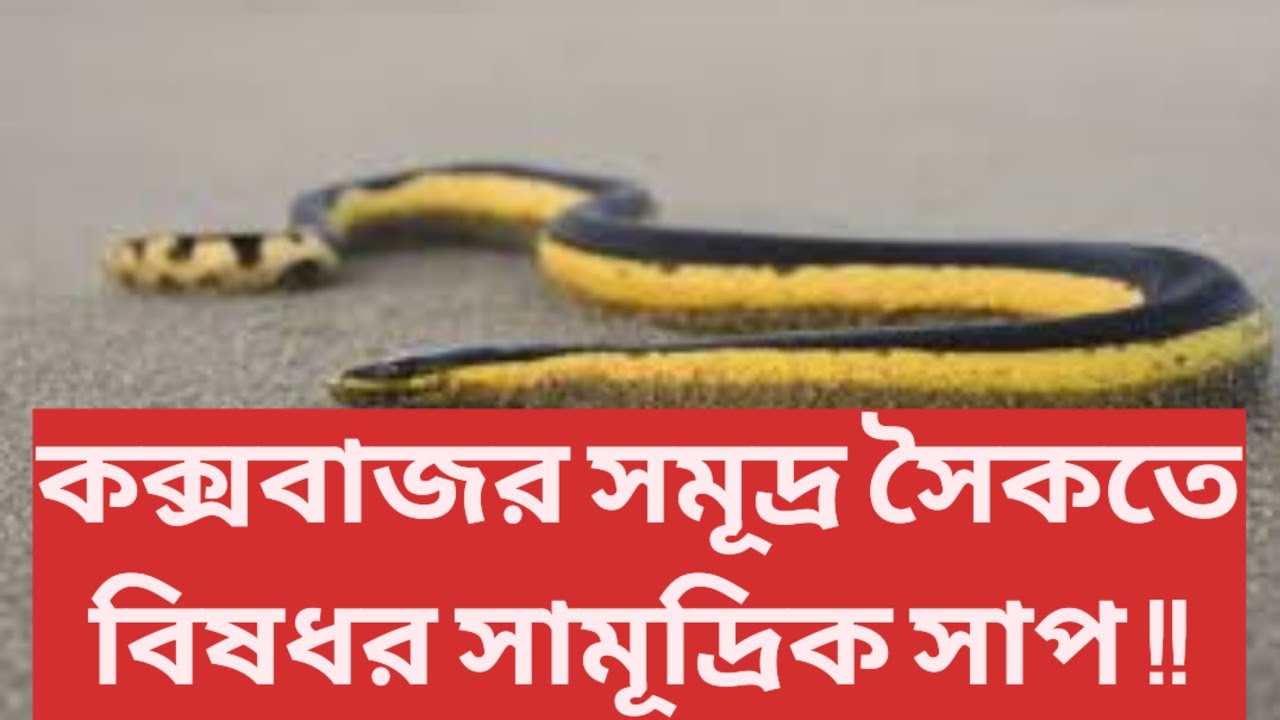
You’re walking through a patch of tall bluestem grass in Missouri or maybe a rocky hillside in Kansas. Suddenly, a flash of olive-brown scales slips through the debris. Your heart jumps. Is it a copperhead? No. Look closer at that cream-colored underside. You’ve just met a yellow belly king snake, one of the most misunderstood and underappreciated predators in the American Midwest.
Honestly, people freak out way too easily.
Technically known as the Prairie Kingsnake (Lampropeltis calligaster calligaster), these animals are basically the unsung heroes of the backyard ecosystem. They aren't just "another snake." They are specialized hunters with a genetic predisposition for eating things that would make you run for the hills. If you have one living under your porch, you should probably be thanking it.
Why the Yellow Belly King Snake Isn't Just "Another Brown Snake"
Let's get one thing straight: identification is where most people mess up. Because they have those dark, blotchy saddles along their backs, hikers often mistake them for venomous Copperheads or even young North American Racers. But the yellow belly king snake has a secret weapon in its aesthetic—that plain, unpatterned yellow or light tan belly.
While a Copperhead has an hourglass pattern that wraps around its sides, the Prairie King’s blotches usually stay on top, never quite reaching the belly. Their scales are smooth, not "keeled" or ridged like a rattlesnake's. If you rub one (not that I’m suggesting you go out and harass wildlife), it feels like polished marble, not sandpaper. It's a distinct tactile difference that herpetologists like Robert Powell often highlight when teaching field identification in the Central United States.
These snakes are medium-sized, usually landing somewhere between 30 and 42 inches. I've seen some monsters push four feet, but that's rare. They are built thick. They aren't wire-thin like a Ribbon Snake; they have the "heft" of a snake that spends its life wrestling prey into submission.
The Diet of a "King"
The name "Kingsnake" isn't just a cool title. It’s a job description. Like their more famous cousins, the Eastern Kingsnake or the California Kingsnake, the yellow belly king snake eats other snakes.
Yes, including the venomous ones.
They have a high tolerance—though not a total immunity—to the venom of local pit vipers. If a Prairie King finds a small Copperhead, it’s game over for the Copperhead. They use powerful constriction to shut down the heart and lungs of their prey in seconds. But they aren't picky. They’ll happily vacuum up field mice, voles, lizards, and even the occasional bird egg. For a farmer, having a few of these around is better than a dozen mousetraps. They go where the rodents go: into the burrows, under the hay bales, and inside the crevices of old stone walls.
Where They Actually Live (It’s Not Just Prairies)
Despite the name, you’ll find them in a weirdly diverse range of spots. They love the edge of forests. They love open grasslands. They really love abandoned barnyards where the corrugated metal provides a perfect "greenhouse" for them to warm up during a chilly April morning.
Biologically, they are somewhat fossorial. That’s a fancy way of saying they spend a ton of time underground. They use the tunnels of the very rodents they hunt. This is why you don't see them as often as Garter Snakes. They are secretive. They are the ninjas of the snake world, preferring to stay out of the sun and under the cover of leaf litter or rotting logs.
If you live in the "Prairie Peninsula"—think Illinois, Iowa, Missouri, Nebraska, and down into Texas—you’re in their territory. They are remarkably hardy. While some reptiles are incredibly sensitive to human encroachment, the yellow belly king snake has managed to hang on in suburban fringes, provided there’s enough grass and a lack of heavy pesticides.
The "Scent" of Defense
If you pick one up, you’re going to regret it. Not because they’ll bite you—though they can nip if they’re scared—but because of the musk.
It’s gross.
Most Kingsnakes have a cloacal gland that produces a pungent, foul-smelling liquid. They’ll whip their tail around and smear this stuff all over you. It's a biological "get away from me" signal that smells like a mix of rotting cabbage and old gym socks. It’s incredibly effective. Most predators, like hawks or coyotes, take one whiff and decide that this particular meal isn't worth the sensory assault.
Reproduction and the Life Cycle
Mating happens in the spring, usually shortly after they emerge from brumation (the reptile version of hibernation). Around June or July, the females will find a humid, secluded spot—maybe a hollow log or a pile of decomposing vegetation—to lay a clutch of 5 to 17 eggs.
Nature is pretty hands-off here. Once the eggs are laid, the mother leaves.
About two months later, the hatchlings emerge. They are tiny, maybe 8 to 10 inches long, and they look nothing like the adults. Young yellow belly king snakes have much brighter, more vivid reddish-brown blotches. As they age, these colors fade, and the snake takes on that more subdued, "dusty" look that helps them blend into the sun-dried grasses of the late summer prairie.
Common Misconceptions and Why They Matter
One of the biggest tragedies for this species is "Identity Theft."
Because people see a blotchy snake and panic, thousands of Prairie Kingsnakes are killed every year by well-meaning homeowners who think they are protecting their families from Copperheads. This is a massive mistake. By killing a yellow belly king snake, you are actually removing the best natural pest control and "venomous snake deterrent" you have.
Remember: Copperheads have vertical, cat-like pupils. Kingsnakes have round pupils. Copperheads have a pit between the eye and the nostril (the heat-sensing organ). Kingsnakes don’t. If the snake looks like it's trying to hide its head and just get away from you, it's almost certainly a non-venomous species like the Prairie King.
They are also surprisingly docile once the initial "I'm being eaten by a giant" fear wears off. In captivity, they are known for being easy to handle, though they are less common in the pet trade than the flashier California Kingsnakes.
How to Support Local Populations
If you want to keep these beneficial snakes around your property, it’s pretty simple: stop being so neat.
Manicured lawns are biological deserts for reptiles. Leaving a small "wild" corner of your yard with some tall grass, a few flat rocks, or a brush pile creates a Five-Star hotel for a yellow belly king snake.
Also, reconsider the use of rodenticides. If a snake eats a mouse that has ingested slow-acting poison, the snake gets poisoned too. It’s a chain reaction that guts the local ecosystem. Using snap traps or just letting the snakes do the work is a much "greener" way to handle a mouse problem.
Actionable Steps for Coexisting with Prairie Kingsnakes
If you encounter a yellow belly king snake on your property, follow these steps to ensure both you and the snake stay safe:
- Observe from a distance: Give the snake at least five feet of space. This prevents the snake from feeling cornered and musking or striking.
- Check the belly: If the snake moves, look for that signature unmarked, creamy-yellow underside. This confirms you're dealing with a harmless Kingsnake.
- Relocate if necessary (carefully): If the snake is in a dangerous spot (like a garage), use a long broom to gently nudge it into a tall kitchen trash can tipped on its side. Once the snake is inside, stand the can up and move it to a nearby field or wooded edge.
- Eliminate the "why": If you have a lot of snakes, you have a lot of food. Clean up spilled birdseed or pet food that might be attracting the rodents the snakes are hunting.
- Spread the word: Teach neighbors that "blotchy" doesn't mean "venomous." Showing a photo of a Prairie King versus a Copperhead can save dozens of snakes in your community.
By understanding the unique role the yellow belly king snake plays, you move from being a fearful bystander to an informed steward of the land. These snakes are quiet, efficient, and vital to the balance of the American Midwest. Respect the "King," and your local ecosystem will be better for it.



