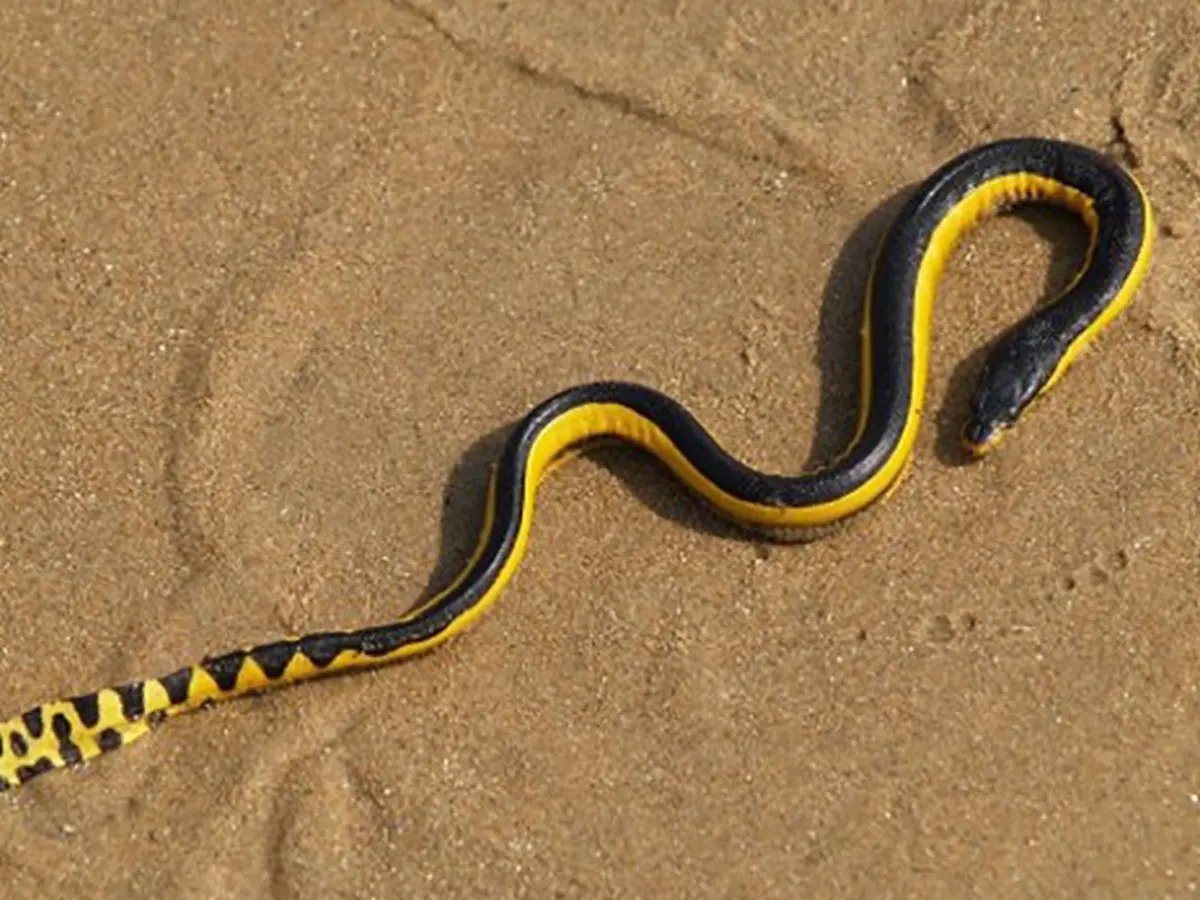
You’re walking near a slow-moving creek in Georgia or maybe a swampy patch in Louisiana, and you see a thick, dark shape sliding through the weeds. Your heart jumps. Most people immediately scream "Cottonmouth!" and run for the hills—or worse, grab a shovel. But there is a very high chance you are actually looking at a yellow bellied water snake.
Honestly, they get a bad rap.
These snakes, scientifically known as Nerodia erythrogaster flavigaster, are the ultimate survivors of the American Southeast and Midwest. They aren't out to get you. In fact, they’d much rather be left alone to hunt for a fat bullfrog. But because they look a bit grumpy and have a heavy-bodied build, they end up being the victims of mistaken identity more often than almost any other reptile in North America.
It’s kind of a tragedy. If you take a second to actually look—from a safe distance, of course—you’ll realize these snakes are pretty fascinating creatures with a unique set of behaviors that set them apart from their venomous lookalikes.
Spotting the Difference: It’s All in the Belly
The biggest giveaway is right there in the name. While the top of a yellow bellied water snake is usually a solid, drab olive, gray, or almost black color, their underside is a bright, unpatterned yellow or creamy orange. It’s like they’re wearing a high-visibility vest that only shows when they turn over.
Compare that to a Cottonmouth. A Cottonmouth has a chunky, blocky head with a dark stripe through the eye. The yellow bellied water snake has a much rounder head and lacks that "zorro mask" eye stripe.
Also, look at the scales around the mouth. Nerodia species have these distinct vertical black lines on their labial scales (the "lip" scales). Cottonmouths don’t have those. If you see those vertical bars, you’re looking at a harmless water snake.
Another weird quirk? Yellow bellied water snakes are surprisingly terrestrial for something called a "water snake." While the Banded Water Snake or the Brown Water Snake usually sticks to the water’s edge, the yellow-bellied variety is famous for wandering. You might find one hundreds of yards away from the nearest pond, especially during a heavy rain. They love to travel overland to find new hunting grounds or to escape a drying puddle.
Where They Live and What They’re Doing
You’ll find these guys mostly in the Coastal Plain and the Mississippi Valley. We’re talking from the edges of Florida up through Illinois and over into East Texas. They love cypress swamps, marshes, and bayous. Basically, if it’s wet, muddy, and full of amphibians, they’re happy.
But they aren't just swimming. They spend a lot of time basking on logs or hanging out in low-hanging branches over the water.
What’s on the Menu?
They are amphibian specialists.
- Frogs and Toads: This is their bread and butter.
- Tadpoles: They’ll sit in a shallow pool and just vacuum them up.
- Fish: Occasionally, but they prefer the "meatier" texture of a frog.
- Salamanders: If they can find them in the muck, they’re eating them.
Because they eat so many amphibians, they play a huge role in keeping those populations in check. Without these snakes, your backyard would be a deafening chorus of frogs every single night. They are the natural pest control of the wetlands.
The "Aggressive" Myth
If you corner a yellow bellied water snake, it’s going to act tough. They’ll flatten their heads to look bigger—making them look even more like a venomous snake—and they will hiss. If you pick one up, they will bite you. And they’ll probably musk on you, too.
That musk is a foul-smelling secretion from their cloaca that smells like a mix of rotting fish and skunk. It’s effective. You’ll want to wash your hands about fifty times to get the smell off.
But here’s the thing: they aren’t aggressive. They’re defensive. There is a massive difference. An aggressive animal hunts you down; a defensive animal just wants you to go away so it can go back to being a snake. If you leave them alone, they will almost always dive into the water and vanish before you can even get your phone out for a picture.
The Conservation Reality
In some parts of their range, water snakes are doing okay. But they face two major threats: habitat loss and humans with "snake phobia."
Wetlands are being drained for strip malls and housing developments at an alarming rate. When the swamp disappears, the frogs disappear. When the frogs disappear, the yellow bellied water snake has nothing to eat.
The other issue is the "kill first, ask questions later" mentality. Because they look like Cottonmouths, thousands of these beneficial snakes are killed every year by well-meaning but misinformed homeowners. This is why education matters. Learning to tell a Nerodia from an Agkistrodon (the Copperhead/Cottonmouth genus) literally saves lives—snake lives, anyway.
Surprising Facts You Probably Didn't Know
Did you know these snakes give live birth? They don't lay eggs in the sand. Instead, the female carries the young inside her and gives birth to anywhere from 5 to 30 live babies, usually in late summer or early fall. The babies are much more brightly patterned than the adults, with distinct blotches that fade as they get older.
Also, they have "keeled" scales. If you run your finger along one (which, again, maybe don't do that unless you're a pro), it feels rough, like sandpaper. This helps them move through the water and grip slippery prey. Smooth-scaled snakes like Kingsnakes feel like polished porcelain; water snakes feel like a file.
How to Coexist with Water Snakes
If you live near a pond or a creek, you're going to see them. Don't panic.
First off, check the belly. If it’s yellow and the snake is just chilling on a rock, it’s probably a yellow bellied water snake. Second, keep your grass mowed. Snakes like tall grass because it makes them feel safe from hawks and owls. If the grass is short, they’ll move on to a place where they can hide better.
Don't use "snake repellent" granules. Most of those are just mothballs and sulfur, and they don't actually work. They just make your yard smell weird. The best way to keep snakes away is to remove their food source—meaning, don't have a yard that attracts a million frogs—or just accept that they are part of the ecosystem.
Key Takeaways for Homeowners
- Identify before acting. Look for the round pupils and the yellow belly.
- Give them space. A snake that feels trapped is a snake that bites.
- Respect the role. They keep the frog and rodent populations from exploding.
- Water is life. If you see them after a rain, they’re just migrating. They aren't "invading" your yard; they're passing through.
The yellow bellied water snake is a vital, non-venomous part of the American landscape. They are a sign of a healthy wetland. Next time you see a dark shape in the water, take a breath. Look for the yellow. If you see it, smile—you’ve just spotted one of the most misunderstood residents of the wild south.
Actionable Steps for Snake Encounters
If you find a snake in your yard and you aren't 100% sure what it is, follow these steps:
- Take a photo from six feet away. Most modern smartphones have a great zoom. You don't need to get close.
- Use an app like iNaturalist. There are thousands of experts who will identify your photo for free within minutes.
- Spray it with a hose. If you really want a snake to leave your porch, a gentle stream of water from a garden hose is usually enough to convince them to find a quieter spot. It doesn't hurt them, and it keeps you at a safe distance.
- Check for standing water. If you have old tires, buckets, or clogged gutters, you're breeding the frogs that attract the snakes. Clean up the water, and the snakes will follow the food elsewhere.
By understanding the yellow bellied water snake, we move away from fear and toward a better relationship with the nature right in our backyards. They aren't monsters. They're just neighbors with no legs and a very specific diet.