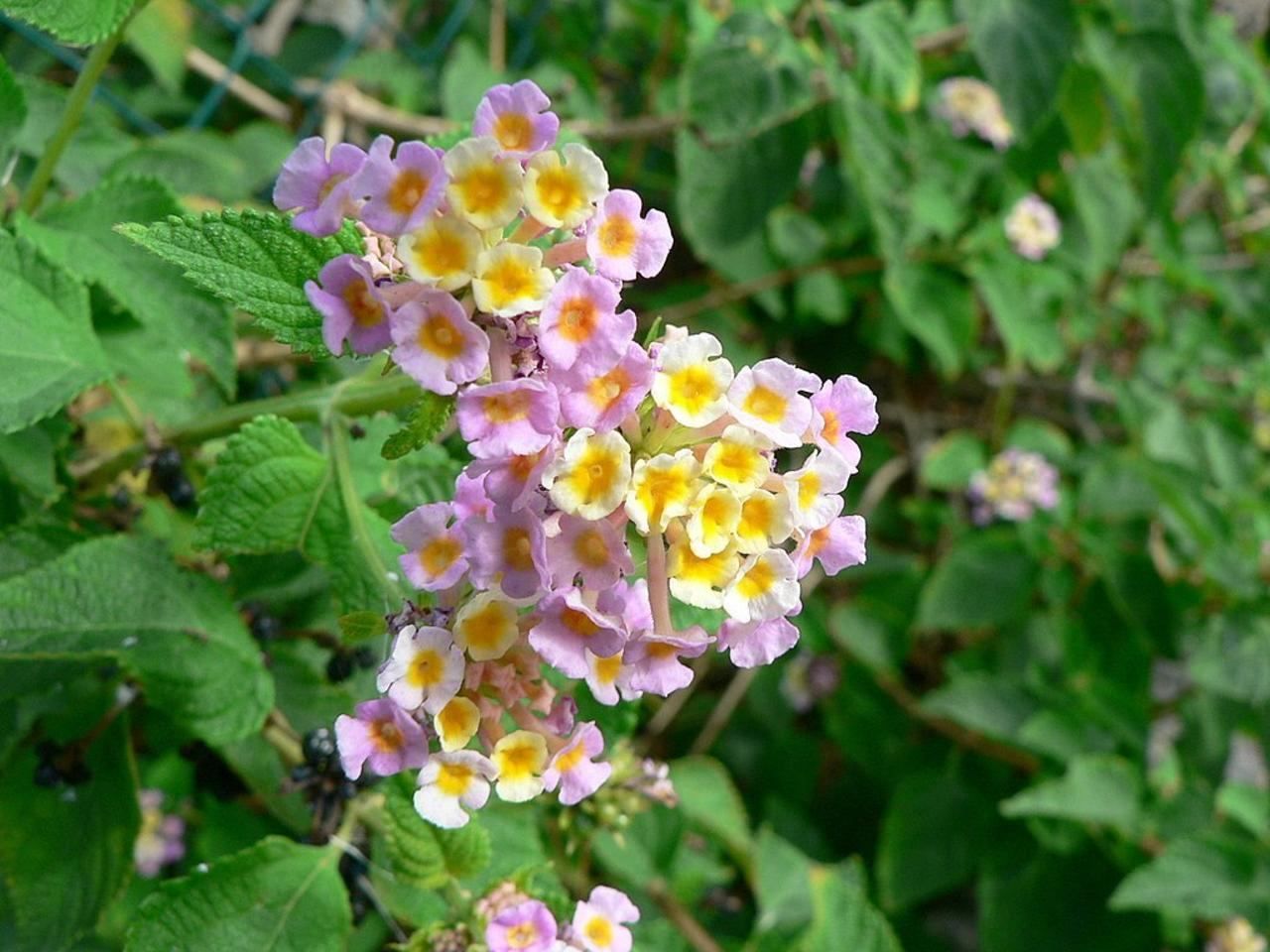
Walk into any high-end florist in Manhattan or a dusty roadside nursery in the middle of Ohio, and you’ll see it. That specific, sunny-side-up vibration of yellow and white flowers sitting together. It’s a classic. Maybe even a cliché? But there’s a reason this pairing hasn’t died out since the Victorian era. It works. It’s basically nature’s version of a shot of espresso mixed with a weighted blanket—energizing but somehow incredibly grounded.
Most people think throwing these colors together is a "beginner move." They’re wrong.
When you dig into the actual botany and the way human eyes process light, you realize that yellow and white aren't just "pretty." They’re functional. White flowers act as a visual "reset" button. They prevent the yellow from becoming an eyesore in the midday sun. If you’ve ever planted a solid block of bright yellow marigolds, you know they can look kinda flat or even aggressive when the sun hits them directly. But toss in some white Alyssum? Everything changes. The light softens. The garden breathes.
The Science of Why We Love Yellow and White Flowers
Our brains are wired to find contrast, but we hate visual clutter. In the world of color theory, yellow has the highest "luminosity" of any color on the spectrum. It’s the first thing you see. White, meanwhile, reflects all wavelengths of visible light. When you put them together, you’re creating a high-reflectance zone. This is why these gardens look so freaking good at "Golden Hour"—that period just before sunset when the light gets long and honey-colored.
It’s about the pollinators, too. Honestly, bees don’t care about your "aesthetic," but they do care about visibility. Many yellow flowers, like the Rudbeckia (Black-eyed Susans), have ultraviolet patterns that we can’t see, but bees can. These patterns act like landing lights on a runway. White flowers often have heavy scents to attract nocturnal pollinators like moths. By mixing yellow and white flowers, you’re essentially running a 24-hour diner for the local insect population.
The Spring Heavyweights: Narcissus and Beyond
You can't talk about this color duo without mentioning the Daffodil. The Narcissus genus is the undisputed king here. Specifically, look at varieties like 'Ice Follies' or 'Mount Hood.' These aren't just your standard yellow-cup-yellow-petal flowers. They have this sophisticated transition where the trumpet might be a buttery lemon and the petals are a crisp, paper-white.
It’s subtle.
If you want something that feels a bit more "wild," go for Galanthus (Snowdrops) mixed with Eranthis hyemalis (Winter Aconite). These are the tough guys. They’ll literally push through the snow in late February or March. It’s a signal that the world isn’t dead. It’s just sleeping.
- Leucojum vernum (Spring Snowflake): Looks like a giant snowdrop but with little green or yellow dots on the tips of the petals.
- Crocus chrysanthus 'Cream Beauty': A pale, creamy yellow that bridges the gap between the two colors perfectly.
- Tulipa 'Sweetheart': A soft yellow tulip with white edges that looks almost edible.
Summer Heat and the Power of Texture
Once July hits, the light changes. It’s harsher. This is where you need plants that can handle the UV blast without looking fried. This is also where people usually mess up. They buy the "brightest" yellow possible, and it looks cheap. Instead, look for textures.
Think about the Achillea millefolium (Yarrow). The variety 'Moonshine' is a sulfur-yellow that looks amazing against the silvery-white foliage of Stachys byzantina (Lamb’s Ear). It’s not just about the flower heads; it’s about the leaves. White can come from variegated foliage too.
Leucanthemum × superbum, better known as the Shasta Daisy, is the goat of the summer garden. It’s the literal embodiment of yellow and white flowers. You’ve got the yellow disc florets in the center and the white ray florets on the outside. It’s simple. It’s effective. You can’t kill them (mostly). If you pair these with something like Coreopsis 'Moonbeam', you get a hazy, dreamy look that lasts until the first frost.
The "Moon Garden" Strategy
Have you ever heard of a Moon Garden? Basically, it’s a garden designed to be seen at night. White flowers are the stars here because they "glow" in the moonlight. But if you only use white, the garden looks a bit ghostly and flat during the day. Adding a pale, primrose yellow keeps the garden interesting at 2:00 PM without ruining the vibe at 10:00 PM.
Try Oenothera biennis (Evening Primrose). They literally pop open at dusk. It’s wild to watch. They’re a pale, delicate yellow that catches the fading light perfectly. Combine them with Nicotiana alata (Flowering Tobacco) in white. The scent is intoxicating. Seriously, it’s like a natural perfume factory in your backyard.
What Most People Get Wrong About This Combo
The biggest mistake? Using the same "value" of yellow and white. If your yellow is super pale and your white is "creamy," they’ll just bleed together into a beige mess from twenty feet away. You need contrast. If you have a bright, neon-yellow Tagetes (Marigold), pair it with a stark, "refrigerator" white flower.
Also, don't ignore the greens. Green is the glue. Without enough foliage, your yellow and white flowers will look like a bowl of popcorn. You need deep, dark green leaves to make the white "pop" and the yellow feel "rich."
Varieties that actually play well together:
- White Cosmos and 'Lemon Queen' Sunflowers: This creates a height differential that feels very "English Cottage."
- White Hydrangeas and 'Goldsturm' Rudbeckia: The massive white mopheads of the hydrangea provide a structural anchor for the frantic, daisy-like yellow flowers.
- Yellow Roses and White Clematis: Climbing plants are underused. Let a white Clematis 'Henryi' crawl through a yellow climbing rose like 'Graham Thomas.' It's sophisticated as hell.
Regional Realities: It’s Not One-Size-Fits-All
If you're in a high-heat zone like Arizona or Texas, your whites are going to burn. They just will. The petals are often thinner and lose moisture faster. In these climates, you want "tough" whites like Plumbago zeylanica or white varieties of Lantana.
In the Pacific Northwest or the UK, the "grey" light makes yellow look incredible. It cuts through the gloom. A yellow Azalea in a misty Seattle garden looks like a literal lightbulb. White flowers in these areas can sometimes look a bit "muddy" if the humidity is too high and the petals start to rot, so good airflow is non-negotiable.
The Mental Health Angle (Honestly)
There’s actually some data on this. Horticulture therapy often uses specific color palettes to evoke moods. Yellow is universally associated with dopamine—it’s the color of the sun, of citrus, of energy. White is associated with clarity and "space."
When you spend time in a garden full of yellow and white flowers, you’re essentially giving your brain a low-grade "reset." It’s less overstimulating than a red and purple garden, but more engaging than a simple all-green space. It’s the "Goldilocks" of garden design.
Maintenance: Keeping the "Crisp" Look
White flowers have one major downside: they age poorly. When a red flower dies, it just gets darker. When a white flower dies, it turns brown. It looks like a soggy cigarette butt. If you want a yellow and white garden to look good, you have to be a "deadhead" ninja.
You’ve got to get out there and snip off the spent blooms. If you don't, the brown will quickly overwhelm the white, and the whole "clean and fresh" vibe is ruined.
- Check for browning twice a week.
- Fertilize for blooms, not just leaves. Use a fertilizer with a higher middle number (Phosphorus), like a 10-30-10, to keep those yellow and white flowers pumping out all summer.
- Mulch with dark material. Avoid that bright red "dyed" mulch. Use dark brown or black compost. It makes the yellow and white stand out way more.
Actionable Steps for Your Own Space
If you’re staring at a patch of dirt and want to start this look tomorrow, don't overcomplicate it.
Start with a "bridge" plant. This is a plant that has both colors in one. The Antirrhinum (Snapdragon) often comes in "bicolor" versions that are yellow and white. Plant those first. Then, radiate outwards. Add a "thriller" (something tall), a "filler" (something bushy), and a "spiller" (something that hangs over the edge of the pot).
- Thriller: Yellow Canna Lily or a tall white Foxglove.
- Filler: White Zinnias or yellow Calendula.
- Spiller: White 'Snow Princess' Lobularia or yellow 'Goldilocks' Lysimachia.
Don't buy everything at once. Buy the yellow flowers first, set them in the garden while they’re still in their plastic pots, and see how the light hits them at different times of the day. If they look too harsh at noon, go buy more white. If they look "weak" in the evening, add a deeper gold or a more saturated yellow.
The beauty of this palette is that it’s almost impossible to truly ruin. Even if you mess up the proportions, you’re still left with a space that feels bright and hopeful. And honestly, in a world that feels increasingly heavy, a little bit of bright, "easy" color is exactly what most of us need right now.
To keep the garden looking its best, focus on consistent watering at the base of the plants to avoid spotting the white petals, and transition your focal points by planting late-blooming yellow perennials like Solidago (Goldenrod) to carry the color through the autumn months when the spring whites have long faded.