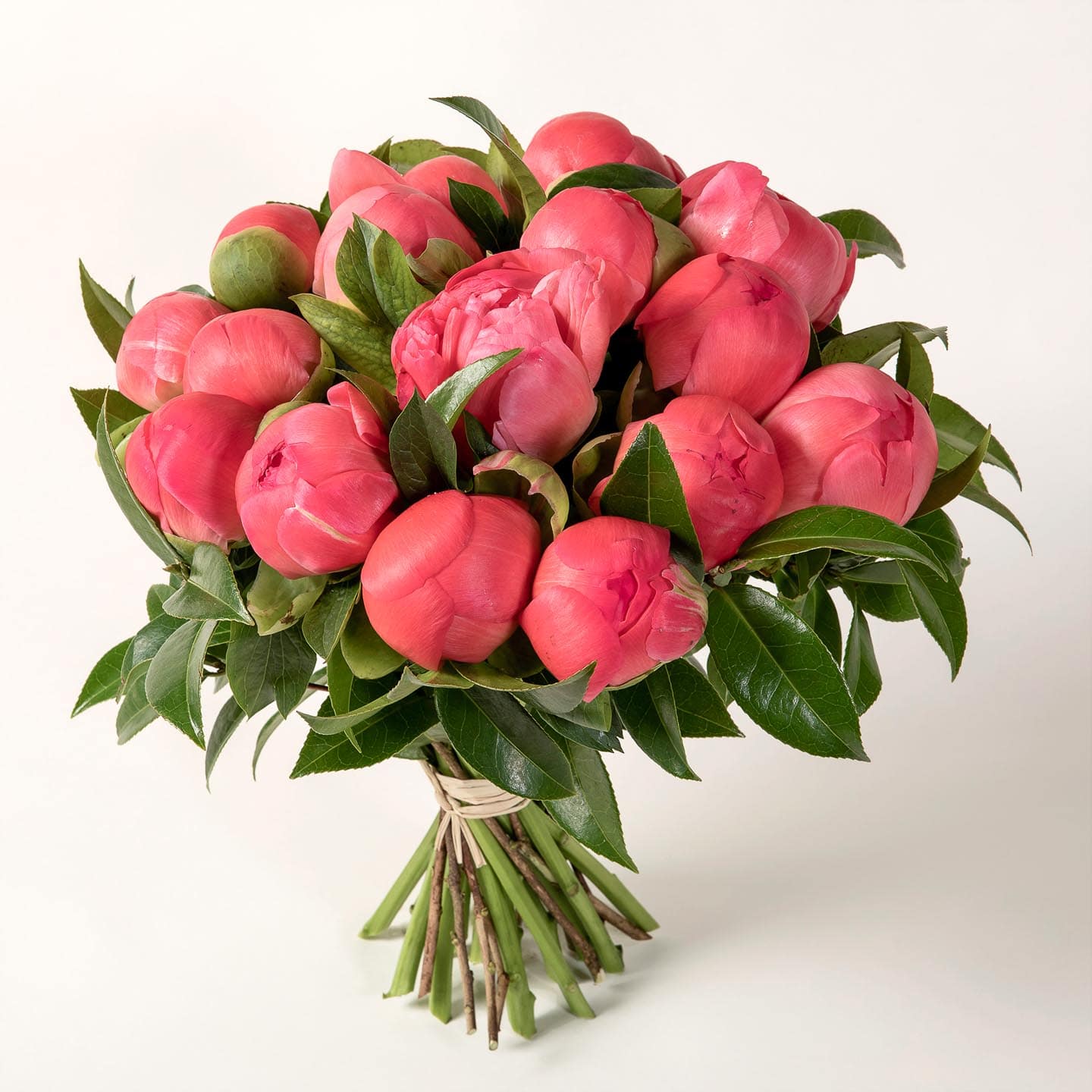
Sunlight and clouds. That’s what a yellow and white flower bouquet looks like when you get the balance just right. Honestly, it’s a color combination that people tend to overlook because they think it’s "too simple" or maybe a bit "Easter-ish," but if you've ever seen a massive bunch of buttery garden roses mixed with crisp white ranunculus, you know exactly how sophisticated it can actually be. It’s not just for nurseries.
It's about energy.
Yellow is scientifically linked to feelings of optimism and clarity. Color psychologists often point out that it's the most visible color in the spectrum, which is why your eyes gravitate toward it first. When you pair that intensity with the "blank canvas" of white, the yellow doesn't just sit there—it glows. It’s a trick florists have used for decades to make a room feel bigger and brighter without changing a single light bulb.
Why a Yellow and White Flower Bouquet Works Every Single Time
Most people screw up this palette by choosing flowers that have the exact same texture. If everything is soft and round, the bouquet looks like a giant cotton ball with some lemon drops stuck in it. You need contrast.
Think about the structure. You’ve got your "focal" flowers—those are the big ones that grab your attention, like Peonies or Sunflowers. Then you have your "fillers" like Baby’s Breath or Feverfew. But the real secret? The "spiky" bits. Think white Snapdragons or yellow Craspedia (those cute little billy balls).
Mixing these shapes prevents the arrangement from looking like a flat blob. It adds what professionals call "negative space." That’s just a fancy way of saying there’s room for the flowers to breathe. If you cram them all together, they die faster anyway because the airflow is terrible.
The Seasonal Shift
Don't let anyone tell you that you can't have yellow in the winter. That's a total myth. In fact, a yellow and white flower bouquet is probably the best thing you can put on a dining table in January when the sky has been gray for three weeks straight.
- In Spring: You’re looking at Tulips, Daffodils, and those tiny, fragrant Narcissus. It’s very "fresh start."
- Summer brings the heavy hitters: Think huge Sunflowers (the 'Lemon Queen' variety is less aggressive than the standard orange-yellow) and white Hydrangeas that look like clouds.
- Autumn is actually great for golden hues: Think deeper mustard tones and white Mums.
- Winter is for the indoor stuff: Narcissus 'Paperwhite' mixed with yellow Freesia. The smell is insane.
Choosing the Right Blooms (The Expert List)
If you’re DIY-ing this or telling a florist what you want, don't just say "yellow and white." Be specific. Different flowers carry different vibes.
Let's talk about Roses. A 'Charlotte' rose is that classic, soft buttery yellow that feels very English Countryside. If you pair that with a 'Patience' David Austin garden rose—which is creamy white—you have a bouquet that looks like it cost five hundred bucks even if you made it in your kitchen.
Ranunculus are another big deal. They have so many petals they almost look fake. The white ones often have a tiny green center, which makes the yellow pops in the bouquet feel more natural and "gardeny."
Then there’s the Lily. Now, be careful here. White Oriental Lilies are stunning and smell like a dream, but they have that messy pollen. If you’re putting them in a yellow and white flower bouquet, snip those little orange anthers off immediately. Otherwise, your white petals—and your white tablecloth—will be stained orange in about twenty minutes.
The Role of Greenery
Actually, sometimes the best "white" in a bouquet is just a very pale green. Using Eucalyptus (the 'Silver Dollar' variety) gives you a dusty, muted backdrop that makes yellow sing. If you use dark, shiny green leaves, the yellow looks more "tropical." If you use sage-colored leaves, it looks "boho."
It’s all about the undertones.
The Psychology of the Palette
There’s a reason hospitals often have yellow and white arrangements. It’s not just because they’re "happy." It’s because white symbolizes cleanliness and new beginnings, while yellow is the color of the intellect and communication.
According to the late color expert Leatrice Eiseman of the Pantone Color Institute, yellow is the "perceived" color of sunshine. It literally mimics the psychological effect of being outside. For someone stuck indoors, a yellow and white flower bouquet is a hit of Vitamin D for the brain.
But there’s a nuance here. Too much "neon" yellow can actually cause anxiety. You want to aim for "warmth" rather than "glare." Mix a bright Lemon yellow with a creamy, off-white rather than a stark, bluish-white. It softens the blow.
Real-World Use Cases: Beyond the Wedding
Sure, brides love this combo. It’s classic. But where else does it fit?
- Apology flowers: It’s hard to stay mad at a bunch of Daisies. It's disarming.
- New Job/Promotion: Yellow is the color of success and "minds at work."
- Sympathy: While many people go all-white for funerals, adding a soft yellow (like a pale Gladiolus) offers a glimmer of hope. It’s a "celebration of life" move.
How to Keep Them Alive (Don't Skip This)
You spent money on these. Or time. Don't let them turn into a brown mess in three days.
- The 45-Degree Rule: Cut the stems at an angle. This isn't just a suggestion; it’s physics. It increases the surface area so the flower can chug more water.
- Bleach is your friend: One tiny drop of bleach in the water kills the bacteria that turns the stems slimy.
- No fruit bowls: Keep your yellow and white flower bouquet away from the bananas. Ripening fruit releases ethylene gas, which is basically poison for flowers. It makes them drop their petals way too early.
- Change the water: If the water looks cloudy, it's already too late. Change it every two days.
Avoid These Common Mistakes
The biggest "fail" I see is using too many "hard" yellows. If you have five different shades of yellow that all clash, the bouquet looks chaotic. Try to stick to one "hero" yellow and keep the rest of the yellow elements as accents.
Another one? Ignoring the vase. A clear glass vase is fine, but a white ceramic pitcher makes a yellow and white bouquet look ten times more expensive. It provides a solid base that lets the colors on top really pop.
Also, watch out for the "funeral" look. If you use only white Carnations and yellow Lilies, it can look a bit dated. Throw in some textural elements like dried wheat or even some white Scabiosa (the one with the pincushion center) to keep it modern.
What People Get Wrong About Daisies
People think Daisies are cheap. Well, they are inexpensive, but they are also incredibly hardy. A yellow-centered Shasta daisy is the backbone of the "Yellow and White" world. If you want a bouquet that lasts two weeks instead of five days, you need these guys.
Gerbera daisies are different. They have thick stems that like to drink, but they can get "heavy-headed" and droop. If you’re using yellow Gerberas, make sure they are wired or supported by other flowers in the bunch.
The "Moonlight Garden" Aesthetic
There’s a concept in landscape design called a "Moonlight Garden." It’s a garden filled with white and pale yellow flowers that "glow" at dusk. You can bring this vibe inside.
If you put your bouquet near a window during the "blue hour" (just after sunset), the white flowers will seem to catch the remaining light while the yellow ones deepen in tone. It’s a cool visual trick. Flowers like 'Moonlight' Primrose or white Nicotiana are perfect for this, though you rarely find them in a standard grocery store. You might have to hit a local flower farm or grow them yourself.
Actionable Steps for Your Next Arrangement
Don't just buy a pre-wrapped bundle. Go to the "singles" section of the florist.
- Pick your "Hero": One bunch of big yellow Roses or Lilies.
- Pick your "Cloud": One bunch of white Hydrangeas or Baby’s Breath.
- Pick your "Height": Something tall like white Snapdragons.
- Pick your "Texture": Yellow Billy Balls (Craspedia) or even some yellow-tinted Solidago.
When you get home, strip all the leaves that will be below the water line. If leaves sit in water, they rot. Rotting leads to bacteria. Bacteria leads to dead flowers.
Trim the stems every few days. Even just a quarter inch. It re-opens the "veins" of the plant.
The yellow and white flower bouquet is a powerhouse of interior design and emotional lifting. It’s simple enough for a beginner to get right but has enough depth for a pro to really play with. Whether you're sending them to a friend who's had a rough week or just trying to brighten up your own kitchen counter, you can't really go wrong with this pair. It's nature’s own "happy" filter.
Next time you’re at the florist, skip the multi-colored "rainbow" mix. It’s too loud. Go for the intentional, focused look of yellow and white. It shows you actually put some thought into the vibe of the room. It’s sophisticated, it’s bright, and honestly, it’s just plain pretty.
Pro-tip: If the bouquet starts to fade, pull out the yellow flowers first. White flowers often last a little longer, and you can rearrange the remaining whites into a smaller bud vase for your bedside table to get a few more days of life out of them.



