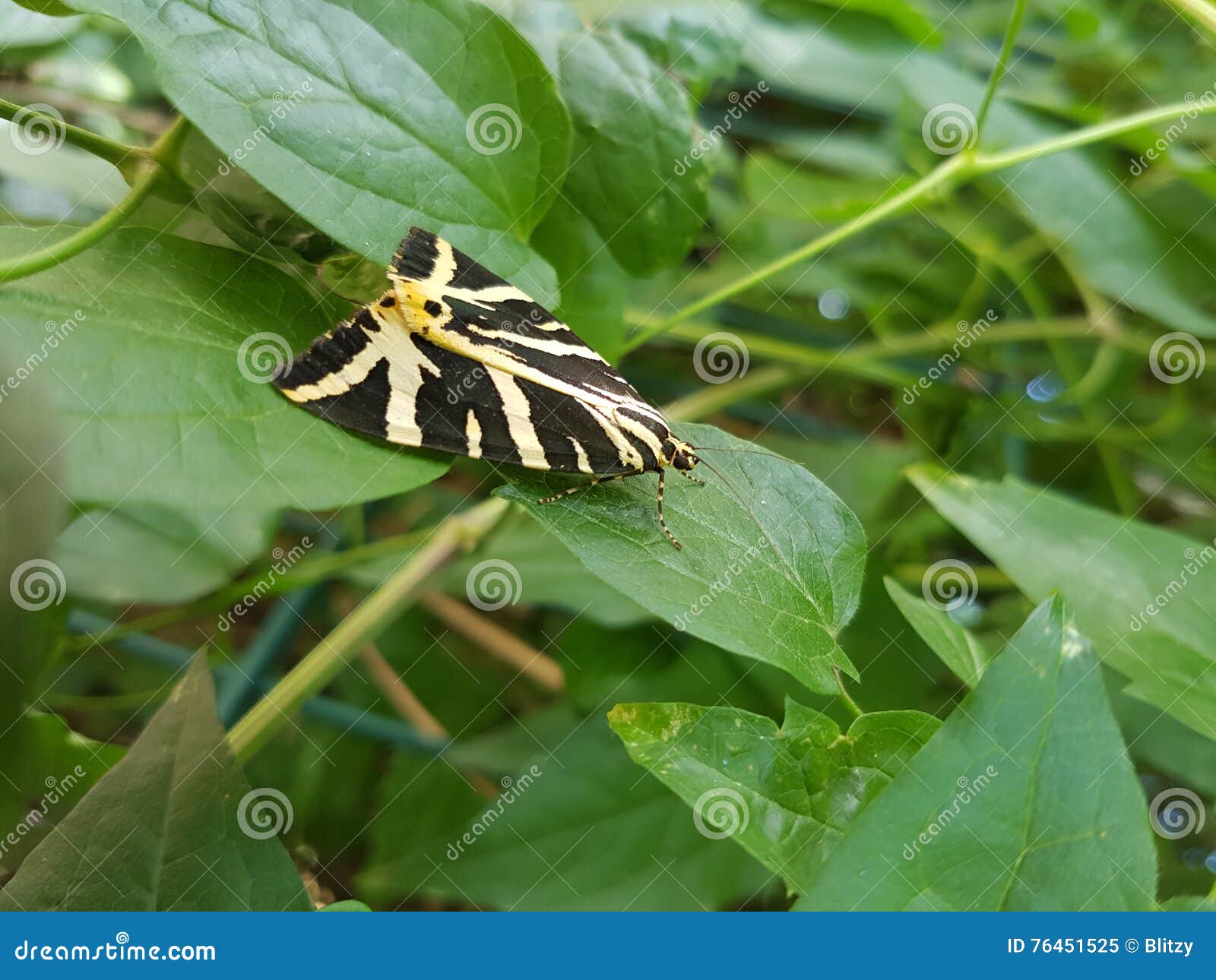
You see them everywhere in the summer. That flash of gold. The sharp, jagged ink lines. Honestly, most people just call them "yellow butterflies" and go about their day, but there is a massive biological chess match happening right in your backyard. Yellow and black striped butterflies aren't just pretty; they are walking—or flying—billboards for some of the most complex evolutionary tactics in the natural world.
Nature doesn't do things by accident. It’s too expensive, energy-wise. When a butterfly sports heavy contrast like that, it's usually trying to tell a bird to "back off or regret it." This is aposematism. It is the visual equivalent of a siren.
Why Yellow and Black Striped Butterflies Rule the Garden
If you’re looking at a large, flapping insect with those distinct markings, you’re almost certainly looking at a member of the Papilionidae family. Specifically, the Swallowtails. These are the heavy hitters of the lepidoptera world. They are huge. They are fast. They are incredibly successful.
Take the Eastern Tiger Swallowtail (Papilio glaucus). It is arguably the most iconic yellow and black striped butterfly in North America. The males are always yellow with those four distinct black tiger stripes on each forewing. But the females? They’re tricky. They can be yellow, or they can be almost entirely black. Why? Because of mimicry. They are trying to look like the Pipevine Swallowtail, which is toxic. If you look like a poisonous snack, things tend to leave you alone.
It’s a survival strategy that has worked for millions of years.
But it isn't just about the Tiger Swallowtail. You’ve got the Two-tailed Swallowtail, which is the state insect of Arizona, and the Western Tiger Swallowtail. They all play with this same color palette. The stripes break up the butterfly's outline, making it harder for a predator to track their flight path against the dappled light of a forest canopy. It’s basically natural camouflage hiding in plain sight.
The Chemistry of Being Bright
Ever wonder where that yellow comes from? It isn't just paint. It’s a complex chemical compound called "papiliochrome." Most butterflies use melanins or pterins, but swallowtails are special. They have their own unique pigment class. This pigment doesn't just provide color; it also helps with thermoregulation.
Butterflies are ectotherms. They need the sun. Those black stripes act like solar panels. They absorb heat faster than the yellow sections, allowing the butterfly to "warm up" its flight muscles on a chilly morning. If you see a Tiger Swallowtail sitting with its wings flat open on a rock, it isn't posing for your Instagram. It’s charging its batteries.
Mimicry: The Great Butterfly Identity Theft
We have to talk about the "Batesian mimicry" happening here. Henry Walter Bates was the guy who figured this out while hanging out in the Amazon. He noticed that perfectly edible butterflies started looking exactly like the ones that made birds sick.
In the world of yellow and black striped butterflies, the Tiger Swallowtail is a master of this. In areas where the Pipevine Swallowtail is common, you’ll find the "dark morph" female Tiger Swallowtail. She ditches the yellow entirely. She turns black to match the toxic Pipevine. She’s a liar. A very successful, evolutionary liar.
Then there’s the Viceroy. Everyone knows the Monarch, but the Viceroy looks almost identical. While they are more orange than yellow, the principle of black striping remains the same. It’s a universal language of "Do Not Eat."
Identifying the Most Common Striped Species
If you’re trying to figure out what’s in your garden right now, look at the tails. Swallowtails get their name because of those long projections on their hindwings that look like the tails of swallow birds.
- Eastern Tiger Swallowtail: Look for four distinct black stripes. The "tiger" look is unmistakable.
- Zebra Swallowtail: This one is actually white and black, but in certain lights, the pale sections look creamy yellow. It has much longer tails and a more triangular wing shape.
- Anise Swallowtail: Common in the West. It’s more "patchy" than "striped," with a lot of black towards the body and yellow towards the edges.
- Giant Swallowtail: This is the big one. It looks mostly black from above with a "V" of yellow polka dots, but when it flips its wings, it's a burst of pale yellow.
The Giant Swallowtail is actually a bit of a pest to citrus farmers. Their caterpillars look exactly like bird poop. Seriously. It’s called "crypsis." While the adult butterfly is a stunning yellow and black striped marvel, the baby is a master of looking disgusting.
Planting for the Striped Wonders
You can't just put out a sugar water feeder and expect these guys to show up. They are picky. Every yellow and black striped butterfly has a "host plant"—the specific plant where they lay their eggs.
- Tiger Swallowtails love Wild Cherry, Tulip Trees, and Ash.
- Zebra Swallowtails are obsessed with Pawpaw trees. No Pawpaws, no Zebras. It's that simple.
- Anise Swallowtails go for fennel, dill, and parsley. If you’ve ever seen a "fat green worm" on your parsley, don't kill it. That’s a future swallowtail.
If you want these insects in your yard, stop being so tidy. They need leaf litter. They need "weeds." They need a place to hide when the sun goes down.
The Conservation Reality
It isn't all sunshine and nectar. Butterfly populations are fluctuating wildly. Climate change is shifting the "bloom times" of flowers, meaning butterflies might emerge before their food source is ready. Pesticide use in suburban lawns is also a silent killer. Those "mosquito foggers" people hire? They don't just kill mosquitoes. They wipe out every yellow and black striped butterfly in the vicinity.
If you care about seeing these stripes, you have to tolerate a few holes in your plant leaves. That’s the "tax" for having beauty in the garden.
Actionable Steps for Butterfly Enthusiasts
If you want to support these specific species or just get better at spotting them, here is what actually works.
Identify your region first. Don't go looking for Zebra Swallowtails in Maine; they aren't there. Use an app like iNaturalist to see what’s actually being spotted in your zip code. This saves you a lot of frustration.
Plant host plants, not just nectar plants. Everyone plants Zinnias. Zinnias are great "gas stations" for butterflies to get energy, but they aren't "nurseries." If you want the whole lifecycle, you need the host trees like Black Cherry or the herbs like Dill.
Create a "puddling" station. Male swallowtails need minerals. They get them by drinking from mud puddles. Find a shallow dish, fill it with sand and a little bit of compost, and keep it damp. You’ll see groups of yellow and black striped butterflies hanging out there "drinking" from the dirt. It’s called a "puddle club."
Ditch the bug zappers and heavy sprays. Neonicotinoids are the enemy. When you buy plants at big-box stores, ask if they’ve been treated with systemic insecticides. If they have, they might actually be toxic to the caterpillars that try to eat them.
Observe the "tail" behavior. Watch a Swallowtail when it lands on a flower. It often keeps its wings fluttering rapidly even while feeding. This isn't just nervous energy; it’s a way to keep their weight off the delicate flower petals and stay ready for a quick escape if a predator lunges.
Understanding the yellow and black striped butterfly isn't just about aesthetics. It’s about recognizing a high-stakes survival game that has been perfected over eons. The stripes are a warning, a heater, and a disguise all wrapped into one. Next time you see one, look closer at the pattern. It’s a masterpiece of biological engineering.
To truly make a difference, start small. Replace ten square feet of your lawn with a native host plant. It sounds like nothing, but for a single Eastern Tiger Swallowtail looking for a place to start the next generation, it’s everything. Focus on native species like Prunus serotina (Black Cherry) or Liriodendron tulipifera (Tulip Poplar) to provide the best possible habitat. Stop using broad-spectrum insecticides and learn to appreciate the "bird poop" caterpillars. This shift in perspective is what maintains the presence of these striped icons in our ecosystems.



