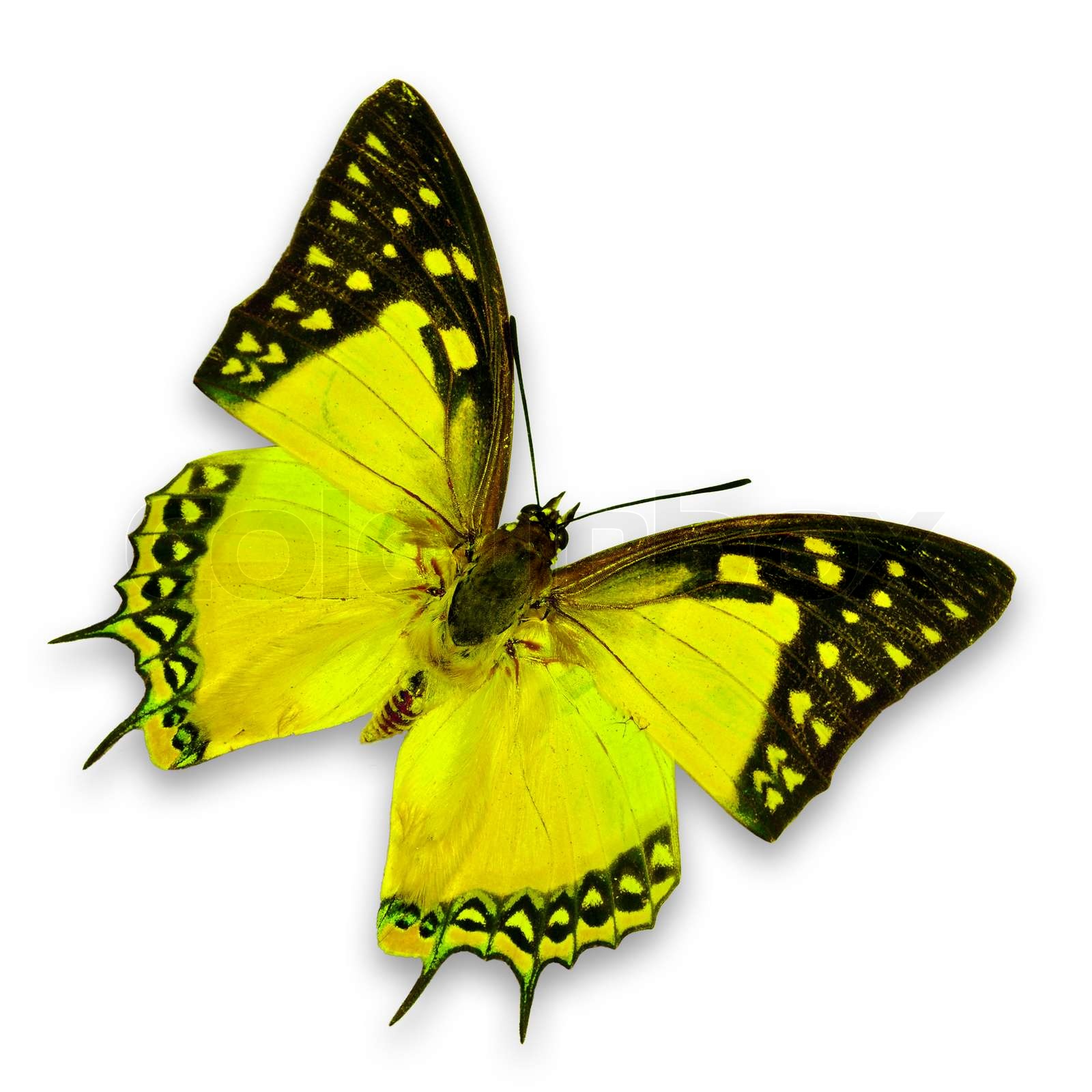
Nature has a weird way of screaming without making a sound. You see it in the garden. A flash of butterfly yellow and black drifts past your face, and your brain instantly flags it. Why? Because these colors aren't just for show. They're a high-contrast billboard that basically says "don't even try it."
It's called aposematism.
Most people think butterflies are just delicate pieces of flying art. Honestly, they’re survivors. That specific mix of lemon-yellow or deep gold against a charcoal black background is a survival strategy that has evolved over millions of years. It’s not just about looking pretty for your Instagram feed; it’s about staying alive in a world where everything from birds to lizards wants to eat you for lunch.
The Monarch Isn’t the Only Game in Town
When we talk about yellow and black butterflies, everyone's mind goes straight to the Monarch. Except, well, the Monarch is orange.
If you're seeing a massive, striking butterfly yellow and black pattern, you’re likely looking at a Tiger Swallowtail. These things are huge. The Eastern Tiger Swallowtail (Papilio glaucus) is the heavy hitter of the backyard. The males are always that iconic yellow with black "tiger" stripes. But here’s where it gets weird: the females can be dimorphic.
Some females look just like the males. Others are almost entirely black.
Why would a species do that? Evolution is sneaky. In areas where the poisonous Pipevine Swallowtail lives, the female Tiger Swallowtails often mimic that darker color to trick predators into thinking they taste like literal garbage. It’s a protection racket. If you look like the neighborhood tough guy, people leave you alone. Even if you’re actually totally harmless.
Not All Yellows Are Created Equal
Think about the Cabbage White. It's mostly white, sure, but then you have the Sulphurs. The Cloudless Sulphur is a solid, brilliant yellow. It looks like a falling leaf.
Then you have the Giant Swallowtail. This is the largest butterfly in North America. Its wingspan can reach nearly seven inches. When it’s resting, it looks like bird poop. Seriously. Ornithologists and entomologists note that the larval stage (the caterpillar) looks exactly like a fresh bird dropping to avoid being eaten. But once it opens those wings? You get a magnificent display of butterfly yellow and black that is impossible to miss.
The Science of the "Sting" Color Palette
Why yellow? Why not blue or neon green?
Research from the University of Exeter has looked deeply into why high-contrast patterns work. Predators, especially birds, have incredible color vision. They learn fast. If a bird eats a yellow and black insect—like a wasp or a cinnabar moth caterpillar—and gets a mouth full of toxins, it remembers that color combo forever.
Yellow and black are the "universal caution" signs of the animal kingdom.
- It creates high visibility against green foliage.
- The sharp lines break up the butterfly's silhouette (disruptive coloration).
- It mimics the appearance of more dangerous insects (Batesian mimicry).
Think about the Common Buckeye. It uses "eyespots" to freak out predators. But the yellow and black butterflies usually rely on the sheer "loudness" of their wings. They want to be seen. If you’re a poisonous species, being camouflaged is actually a disadvantage. You want the bird to see you from a mile away so it doesn't accidentally take a "test bite."
Common Species You’ll Actually See
You’ve probably seen the Black Swallowtail (Papilio polyxenes) hovering over your parsley or dill. This one is a bit of a reverse: it’s mostly black with rows of yellow spots. It’s a staple of North American gardens.
Then there's the Zebra Swallowtail. It’s more white/pale yellow and black, but the stripes are so tight it looks like a barcode. These guys are specialists. They only lay eggs on Pawpaw trees. No Pawpaws? No Zebras. It’s that simple.
I’ve spent hours watching these things in the wild. They don't fly like other butterflies. Swallowtails have this erratic, fluttering skip. It looks disorganized, but it’s incredibly hard for a predator to track. Pair that chaotic flight path with a butterfly yellow and black strobe effect, and you’ve got a very frustrated bird.
The Chemistry of Bad Taste
Not every yellow and black butterfly is toxic. Many are "fakes."
Take the Viceroy. For years, we thought the Viceroy was a Batesian mimic—a harmless butterfly pretending to be a toxic Monarch. But later studies, including those published in Nature, suggested that Viceroys are actually "Müllerian" mimics. This means they are also unpalatable. Both species share the same "warning" look, so the predator only has to learn one lesson to avoid both of them.
It’s efficient. Nature loves efficiency.
When a caterpillar eats a host plant, it often sequesters chemicals. The Pipevine Swallowtail eats Pipevine, which contains aristolochic acids. These chemicals stay in the butterfly’s body through metamorphosis. If a bird eats that butterfly, it experiences immediate heart palpitations and vomiting.
The bird won't touch a black and yellow (or blue) butterfly again.
Creating a Haven for These Species
If you want to see more of these patterns in your yard, you have to stop being so tidy.
"Clean" gardens are deserts for butterflies. They need host plants, not just nectar. Most people plant Zinnias or Lavender and call it a day. That’s like opening a restaurant but having no place for the staff to live.
- Dill, Parsley, and Fennel: These are the primary food sources for Black Swallowtail caterpillars. You have to be okay with them eating your herbs.
- Milkweed: Essential for the Monarch, but it also attracts a variety of other high-contrast species.
- Wild Cherry and Birch: These are the "nurseries" for Tiger Swallowtails.
- Avoid Pesticides: This seems obvious, but even "organic" sprays can kill larvae.
The Misconception of the "Yellow Butterfly"
In many cultures, seeing a yellow butterfly means different things. In some parts of Old England, a yellow butterfly near a dying person meant they’d have a peaceful passing. In others, it’s a sign of a bright summer.
But scientifically? It’s often just a sign of the season. Many yellow species, like the Little Yellow or the Dainty Sulphur, appear in massive numbers when the weather hits a specific degree. They are sensitive to photoperiods (the length of the day).
When you see a sudden influx of butterfly yellow and black in late July, it’s not magic. It’s a "pulse" in the population caused by the perfect alignment of temperature and host plant availability.
Why Their Numbers are Dropping
It’s not all sunshine. Habitat fragmentation is hitting the larger swallowtails hard. Because species like the Zebra Swallowtail are so tied to one specific plant (the Pawpaw), if a housing development clears out a grove of those trees, the local population of those butterflies simply vanishes. They can't just "switch" to eating maple leaves.
Climate change is also shifting their ranges. We’re seeing "southern" species further north than ever before. It's a weird, slow-motion migration that scientists are still trying to map out.
Actionable Steps to Identify and Protect Them
Don't just look at them. Understand what you're seeing.
If you see a yellow and black butterfly, check the "tails." Swallowtails have those little extensions on their hindwings that look like the tails of a swallow bird. These are actually decoys.
Birds often strike at the "tail" thinking it’s the head. The butterfly loses a bit of wing but escapes with its life. If you see a butterfly with ragged back wings, it’s a survivor. It’s already won a fight with a predator.
To help them thrive, plant native. Skip the "butterfly bush" (Buddleja) if you can—it’s actually invasive in many areas and provides "junk food" nectar without supporting the larval stage. Instead, go for native Oaks, Willows, or local wildflowers like Joe Pye Weed.
Identify the specific yellow and black visitors in your area using a localized field guide or an app like iNaturalist. Once you know which species are frequenting your zip code, you can plant the specific host plants they need to lay eggs. This moves your garden from being a temporary pit stop to a permanent breeding ground.
Stop using broad-spectrum insecticides. Even if you're targeting ants or aphids, the residue can be fatal to a fragile Tiger Swallowtail. Embrace a bit of "messy" gardening by leaving leaf litter in the fall; many species spend the winter as pupae tucked away in the dead leaves on the ground.



