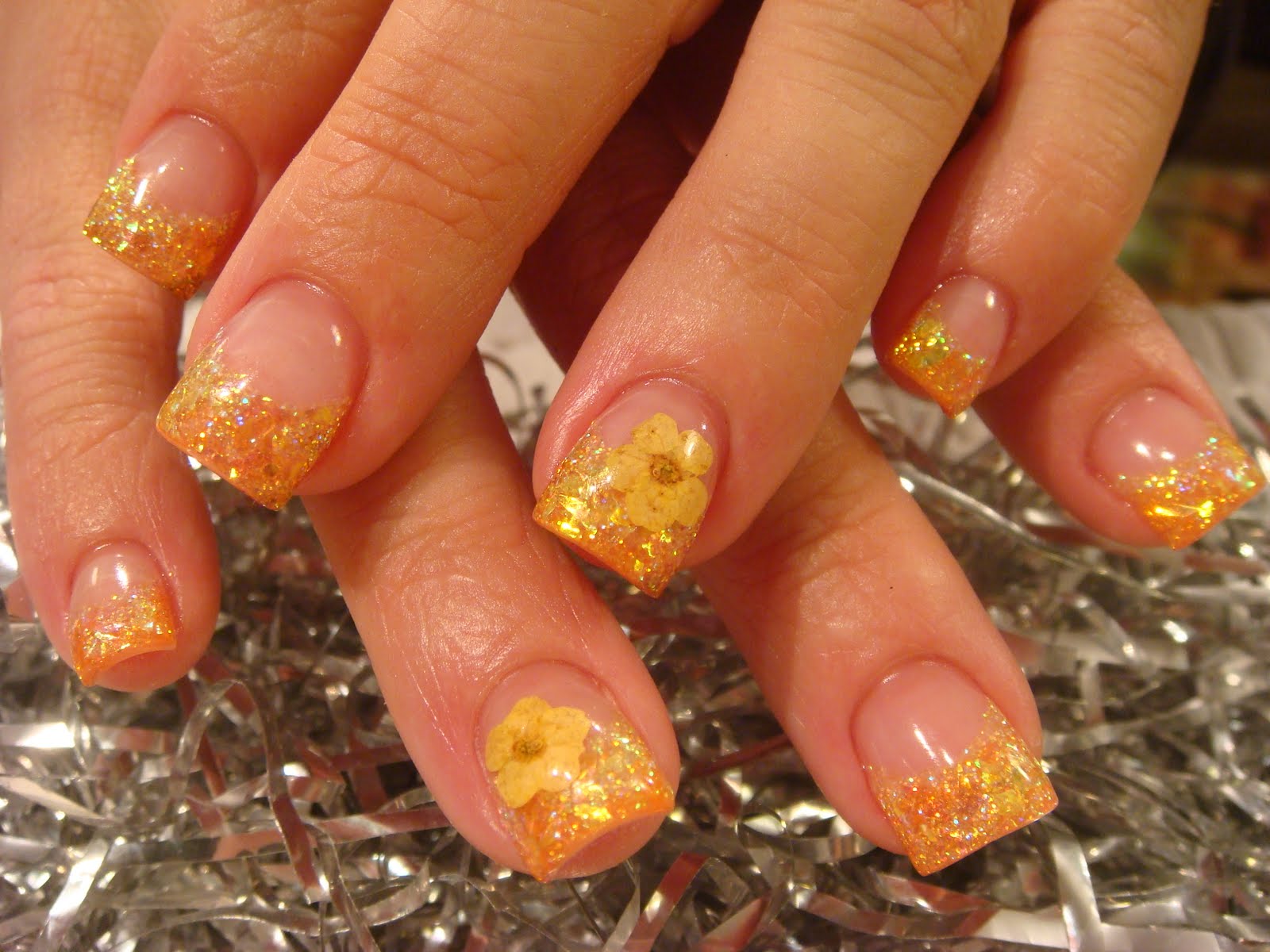
Yellow is a bold choice. Honestly, it’s one of those colors that people either absolutely adore or steer clear of because they’re worried it won’t match their skin tone. But walk into any high-end salon in West Hollywood or Soho lately, and you’ll see that yellow acrylic nail designs are basically taking over the scene. It isn't just about that bright, highlighter "Gen Z yellow" anymore; we're talking honey, mustard, pastel chiffon, and even deep amber.
Acrylics give you that structural canvas you just can't get with natural nails. If you've ever tried to do a complex marbling effect on a short natural nail, you know the struggle. It’s cramped. Acrylics provide the length and the strength to really play with the pigment.
People think yellow is hard to wear. That's a total myth. In reality, yellow is a primary color, which means it has a massive range of undertones. If you have a cool skin tone, a lemon yellow looks crisp. If you’re warmer or have a deeper complexion, those rich sunflowers and mustards look incredible. It’s all about the chemistry of the shade.
The Psychology of Choosing Yellow
Why now? Color theorists often point to yellow as the color of optimism and energy. After years of "clean girl" aesthetics and boring beige, people are craving a visual dopamine hit.
Yellow acrylic nail designs offer a specific kind of confidence. You aren't hiding when you wear yellow. It’s a loud color. When you tap those long, structured acrylics against a desk or a phone screen, the color demands attention. It's a mood shifter.
Experts in the fashion industry, like those at Pantone, have highlighted how yellow serves as a "resilience" color. It’s bright, it’s defiant, and it feels fresh. It’s the visual equivalent of a shot of espresso for your outfit.
Popular Styles That Actually Work
Forget the basic single-color coat for a second. While a solid glossy yellow is classic, the current trend is all about texture and "negative space."
One of the biggest looks right now is the Yellow French Tip. But it isn't your grandma’s French manicure. We’re seeing "micro-tips" or "deep V" shapes. Imagine a long coffin-shaped acrylic with a sharp, neon yellow tip and a completely clear or nude base. It’s architectural. It looks clean but still has that "pop" that makes people stop and ask where you got them done.
Then there’s the Ombré effect. Going from a milky white at the cuticle to a vibrant dandelion at the tip is a masterclass in blending. Acrylic powder is perfect for this because the tech can literally "bead" the colors together while they're still malleable. It creates a sunset vibe that’s hard to replicate with just gel polish.
Mixing Textures: Matte vs. Glossy
You don't have to choose just one. A huge mistake people make is thinking their whole set has to be the same finish. Try this: a matte mustard yellow on four fingers and one "accent" nail in a high-gloss gold foil or a yellow glitter.
- Matte Yellow: Looks like velvet. It softens the brightness and makes it feel more "editorial" and expensive.
- Glossy Yellow: High energy. It reflects light and makes the acrylic look like hard candy.
- Encapsulated Art: This is where acrylics shine. You can actually bury dried yellow flowers or gold flakes inside the clear acrylic layer. It’s 3D. It’s deep. It stays perfect until your next fill.
Getting the Shape Right
The shape of your yellow acrylic nail designs changes the entire vibe.
If you go with Stiletto, yellow looks aggressive and fashion-forward. It’s very "Rihanna at the Met Gala." If you choose Square, it feels more retro, like a throwback to the 90s. Almond is the safest bet for most people because it elongates the fingers and makes even the brightest neon yellow look somewhat sophisticated.
I’ve talked to nail techs who swear that the "Coffin" shape (also known as Ballerina) is the ultimate partner for yellow. The flat tip provides a "stage" for the color. It’s enough surface area to show off the pigment without looking like you just dipped your fingers in paint.
Maintenance and the "Yellowing" Paradox
Here is the irony: yellow nails can sometimes "yellow."
Because acrylic is a porous material, it can stain. If you’re wearing a light lemon shade and you use a lot of hair dye, or even certain spices like turmeric while cooking, your manicure is at risk. You have to be careful.
- Always use a high-quality UV-resistant top coat. Most modern salons use a "No-Wipe" gel top coat that acts as a shield.
- Wear gloves when cleaning. Bleach and harsh chemicals can degrade the acrylic and turn your beautiful sunflower yellow into a murky brown.
- Use cuticle oil. It keeps the acrylic flexible so it doesn't lift, which can lead to "greenies" (bacteria) underneath the nail—which, ironically, looks like a gross version of yellow.
Dealing With "Sheerness"
Yellow is notoriously difficult to formulate. Ask any painter; yellow pigment often goes on streaky. In the world of acrylics, this means the technician has to be really skilled at "bead consistency."
If the liquid-to-powder ratio is off, you’ll get shadows in the nail. You want a solid, opaque look. Sometimes this requires a "base" layer of white acrylic or a very pigmented gel polish over a clear acrylic structure. Don't be afraid to ask your tech to do a second coat or use a more pigmented brand like OPI or CND if the color looks thin.
Real-World Inspiration
Look at celebrities like Kylie Jenner or Lizzo. They’ve both rocked yellow sets that went viral. Lizzo often goes for the "extra" look—charms, dangles, and heavy rhinestones over a bright yellow base. It’s maximalism at its best.
On the flip side, look at the "quiet luxury" version. A pale, buttery yellow on a short-to-medium oval acrylic. It looks like you own a villa in Tuscany. It’s subtle. It’s the "if you know, you know" version of the trend.
Misconceptions About Yellow Acrylics
Some people think yellow makes your hands look sickly. This only happens if you pick the wrong undertone.
If you have redness in your skin, avoid greens-leaning yellows (like chartreuse). Stick to "true" yellows or orangey-yellows. If your skin is very pale, avoid super washed-out pastels which might wash you out further; instead, go for a bold, saturated primary yellow to create a deliberate contrast.
The Cost of Perfection
Let’s be real: good acrylics aren't cheap. A full set of custom yellow acrylic nail designs with art can run anywhere from $80 to $150 depending on the city and the skill of the artist.
You’re paying for the structural integrity. A cheap set will snap. A cheap set will use low-quality monomer (the liquid) that might turn your nails yellow for the wrong reasons. It’s worth the investment to go to a tech who understands "C-curves" and apex placement so your long yellow nails actually last the full three weeks.
How to Style Your Wardrobe
What do you wear with yellow nails?
- Denim: Yellow and blue are complementary. A pair of vintage Levi’s and yellow nails? Perfection.
- All Black: It makes the nails the centerpiece of your entire look.
- Monochrome: If you’re brave, go for a yellow sundress. It’s a lot, but it’s a cohesive "look."
- Grey: This is the most "sophisticated" pairing. It’s very "architectural" and modern.
Making the Jump
If you’re bored with your current look, yellow is the answer. It’s a conversation starter. People will comment on them. You'll find yourself looking at your hands while you're typing just because the color is so captivating.
Start with a "mismatched" set if you're nervous. Maybe two yellow nails and three nude nails with yellow accents. It’s a great way to test the waters without committing to a full ten fingers of sunshine.
Next Steps for Your Next Appointment
To ensure you get exactly what you want, follow these specific steps before hitting the salon. First, screenshot at least three different shades of yellow; "yellow" is too vague for a busy nail tech. Second, decide on your finish—matte is trending but glossy is more durable for most people. Finally, ask your technician if they use "EMA" (Ethyl Methacrylate) monomer rather than "MMA," as EMA is the safe, professional standard that won't damage your natural nail bed or cause the acrylic to discolor prematurely. Once you're in the chair, don't be afraid to ask for a "test nail" with one coat of the color to see how it reacts with your skin tone under the salon's lighting before they do the whole set.



