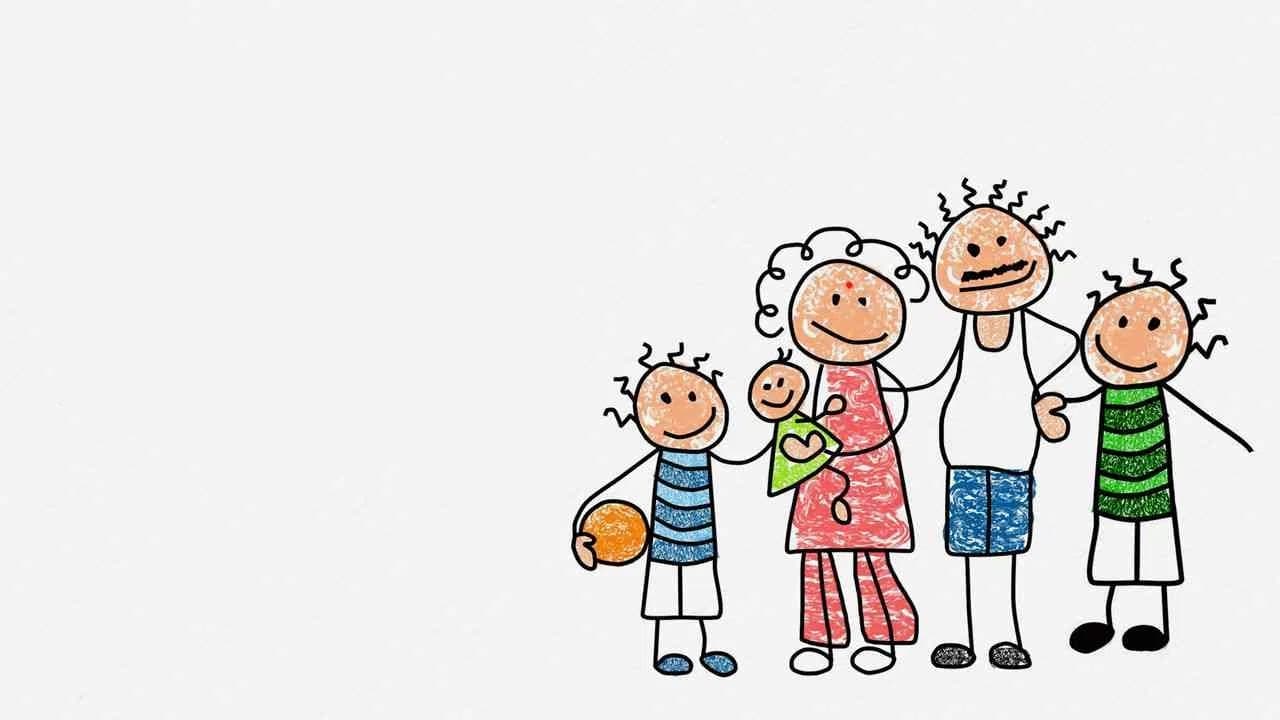
Nostalgia is a tricky business. TVF (The Viral Fever) basically mastered it when they dropped the first season of Yeh Meri Family back in 2018. It wasn't just a show; it was a time machine to 1998 Jaipur. People didn't just watch it—they lived in it. So, when news broke that the Yeh Meri Family cast was being completely overhauled for the subsequent seasons on Amazon MiniTV, fans were, honestly, a bit panicked. How do you replace the lightning-in-a-bottle chemistry of the original lineup?
The truth is, you don't. You pivot.
The show evolved from a specific story about the Gupta family to an anthology of sorts, capturing different eras of Indian middle-class life. While the faces changed, the soul stayed surprisingly intact. Let's look at who made these seasons feel like home.
The 1998 Originals: The Blueprint
Mona Singh as Mummy (Savitri). She was the anchor. You’ve seen her in everything from Jassi Jaissi Koi Nahin to Laal Singh Chaddha, but her portrayal of a 90s mother was hauntingly accurate. She didn't play a caricature; she played a woman who used "the look" to discipline her kids while secretly hiding the best piece of mango for them.
Akarsh Khurana played Papa (Devendra). Khurana is a brilliant director and writer in his own right, and he brought a certain bumbling, lovable gravity to the role. He wasn't the "hero" of the house; he was the guy worried about the cooler making too much noise.
Then there was the heart of the show: the kids. Vishesh Bansal as Harshu. He was our eyes and ears. Every 12-year-old boy in India saw themselves in Harshu—struggling with tuition, crushing on a girl in the colony, and feeling like the world was ending because of a math test.
The chemistry between Vishesh and Ruhi Singh (who played the older sister, Vidya) felt authentic because it was annoying. Siblings in Indian media are often too sweet or too toxic. Yeh Meri Family nailed the middle ground: constant bickering over the remote, yet a silent pact of protection against the parents.
And we can’t forget Prasad Reddy as Shanky. Every kid had a Shanky. The "cool" friend who had all the bad advice and the latest gossip. Reddy’s comedic timing was a major reason why the 1998 season is still considered a masterpiece of the digital era.
The 90s Reinvented: The Season 2 and 3 Shift
When the show moved to the 90s winter setting for Season 2, the Yeh Meri Family cast underwent its first major transformation. We moved from the Guptas to the Awasthis. It was a bold move.
Juhi Parmar took the mantle of the mother, Neerja. Now, Juhi is a household name because of Kumkum, but this was different. She had to play a teacher and a mother balancing the strictness of her profession with the warmth of the hearth. It was a stark contrast to Mona Singh’s Savitri, but it felt right for a winter-set story. Rajesh Kumar, famous as Rosesh Sarabhai, played Sanjay Awasthi.
Seeing Rajesh Kumar move away from his iconic "Momma!" persona into a grounded, slightly overworked father was refreshing. He brought a dry wit that felt very "Lucknow middle class."
The perspective shifted from a pre-teen boy to a teenage girl, Ritika, played by Hetal Gada. This changed the show's DNA. Instead of focusing on schoolyard crushes and cricket, we got stories about career pressure, the evolving dynamics of female friendships, and the subtle ways daughters navigate their fathers' expectations. Anngad Raaj as the younger brother, Rishi, provided the much-needed "kid energy" that keeps the show from becoming too dramatic.
Why the New Faces Didn't Kill the Vibe
You might think changing the entire Yeh Meri Family cast would be a death sentence for a brand built on relatability. It usually is. Look at how many sitcoms fail when they swap out a lead actor. But TVF played it smart.
They understood that "Yeh Meri Family" isn't a story about specific people; it's a story about a specific feeling.
The 1990s in India was a unique bubble. Liberalization was happening, but the internet hadn't ruined our attention spans yet. Cable TV was a luxury. Landlines were the social hubs. By bringing in actors like Juhi Parmar and Rajesh Kumar, who are themselves icons of that era's television, the producers tapped into a meta-layer of nostalgia.
Season 3 pushed this further. The cast remained the same as Season 2, allowing the Awasthi family to grow on the audience. We saw them deal with the arrival of a telephone—a massive event in a 90s household. We saw the nuances of Holi celebrations. The actors settled into their roles, making us forget the initial shock of the transition.
The Nuance of Casting: Not Just Famous Faces
What most people get wrong about this show is thinking it’s just about "big names." It’s actually about "right names."
Take Veena Mehta, who played the Dadi. Grandmothers in Indian TV are usually either saints or villains. In Yeh Meri Family, the Dadi is a person. She has her own whims, her own little rebellions, and a very specific relationship with each family member. The casting department deserves credit for finding actors who could play "ordinary" without being boring.
The casting of the supporting characters—the neighbors, the school teachers, the random uncles—is what fills out the world. In the original season, the presence of the "Tuition Teacher" felt like a horror movie villain for Harshu. That’s good casting. It triggers a physical memory in the viewer.
Looking Ahead: The Rumors and the Reality
As we move through 2026, rumors about Season 4 are everywhere. Will the Yeh Meri Family cast change again? There’s a segment of the audience that wants a return to the 1998 Guptas. They want to see what Harshu looks like as a 40-year-old man in the modern world.
However, the anthology approach seems more likely. There is talk of the show moving into the early 2000s—the era of the first mobile phones and the rise of reality TV.
If they do this, the casting will be even more critical. They’ll need actors who can portray that weird "in-between" stage of India, where we weren't quite digital but were definitely leaving the 90s behind. Honestly, the beauty of this franchise is that it has become a platform for seasoned actors to show their range away from the melodrama of daily soaps.
Fact-Checking the "Replacement" Narrative
There’s a common misconception that the original cast was "fired" or that there was "drama" behind the scenes. That’s simply not true.
The decision to change the Yeh Meri Family cast was a creative one by the writers at TVF and the executives at Amazon. They wanted to capture the essence of different types of Indian families across different years. Staying with one family forever would have eventually led to "stale storytelling" syndrome. By refreshing the cast, they refresh the memories they can tap into.
- Original 1998 Cast: Focuses on the "Summer of 98," pre-teen angst, and Jaipur vibes.
- The Awasthi Cast (S2 & S3): Focuses on the "Winter of 94/95," teenage perspectives, and Lucknow culture.
It’s a different flavor of the same dish.
What You Should Watch Next
If you’ve binged every season and are obsessed with the Yeh Meri Family cast, you’ve probably noticed a pattern. These actors often pop up in other "slice-of-life" dramas.
If you loved Mona Singh, her work in Made in Heaven shows a completely different side of her talent. If Rajesh Kumar’s fatherly charm won you over, you absolutely have to revisit Sarabhai vs Sarabhai—though be warned, the character of Rosesh is the polar opposite of Sanjay Awasthi.
For those who enjoyed the child actors, keep an eye on Hetal Gada. Her performance in the film Dhanak (2015) was a precursor to the brilliance she brought to Yeh Meri Family.
The Actionable Takeaway for Fans
Don't skip the "new" seasons just because the original cast isn't there.
Give the Awasthi family at least three episodes. The first episode of Season 2 feels "wrong" because your brain is looking for Harshu and Savitri. But by episode three, when you see Rajesh Kumar’s character trying to fix a household crisis with a mix of frustration and love, you’ll realize it’s the same heart.
The best way to enjoy Yeh Meri Family is to treat it like a family photo album. Not every page has the same people, but every page tells the same story of growing up in a country that was changing faster than we realized.
If you’re looking to dive back in, start with Season 3. It’s arguably the most polished version of the "new" cast’s chemistry. It handles the 90s nostalgia with a lighter touch, focusing more on the internal family dynamics than just "look at this old object we used to use."
Check out the official trailers on YouTube to get a feel for the different tones before you commit to a full rewatch. You’ll notice the color palettes change—the 1998 season is warm and yellow, while the newer seasons have a cooler, crisper winter look. This visual casting is just as important as the actors themselves.



