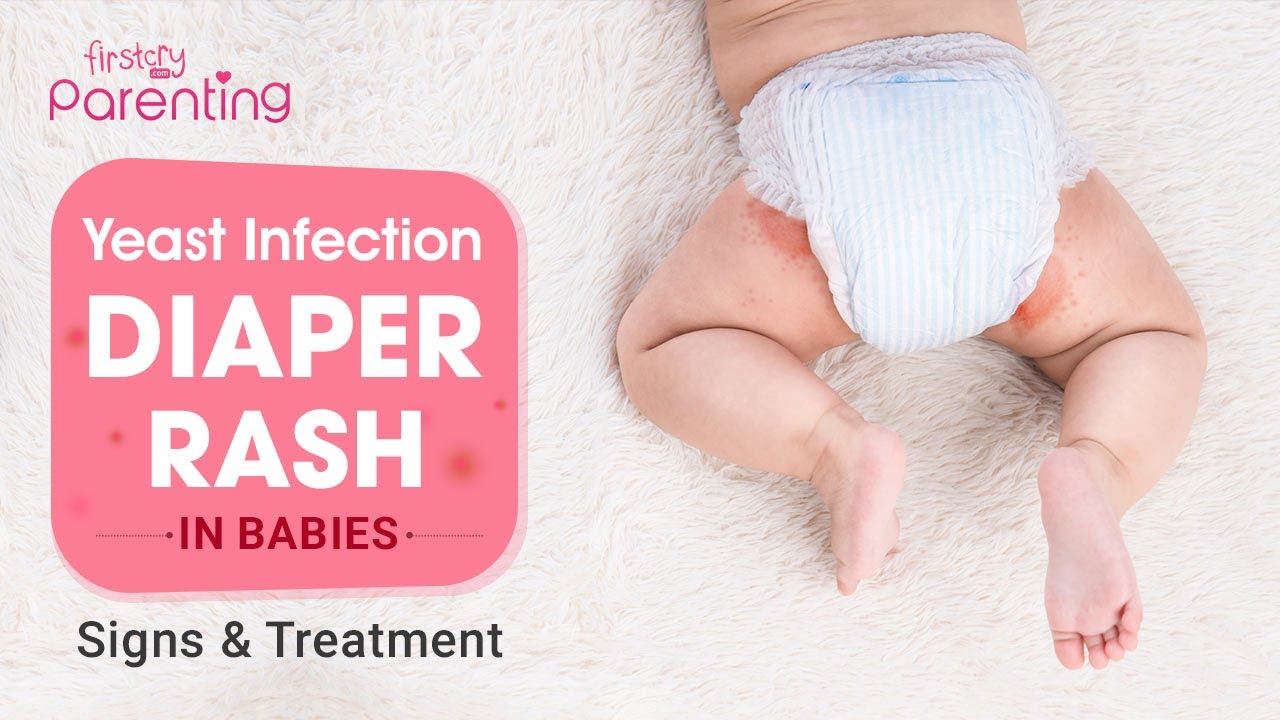
It starts as a few stray red dots. You reach for the Zinc Oxide—the heavy-duty white paste that usually fixes everything by morning—and you slather it on. But the next day, it’s worse. The red dots have turned into a fiery, angry map of skin that looks like it’s peeling. If you look closely, there are tiny "satellite" pimples or pustules scattered away from the main red patch. This isn't just a standard "left the diaper on too long" situation. You’re likely dealing with a yeast infection diaper rash, and honestly, that standard barrier cream is basically just food for the fungus at this point.
Candida albicans. That’s the culprit. It’s a fungus that loves everything about your baby's diaper: the warmth, the moisture, and the lack of airflow. While most parents feel a surge of guilt when they see a rash this bad, it’s rarely about hygiene. Sometimes a baby gets a round of antibiotics for an ear infection, which kills off the "good" bacteria that keep yeast in check. Other times, it’s just the perfect storm of a humid Tuesday.
Most people get this wrong because they treat all redness the same. Standard irritant dermatitis (the "regular" kind) usually stays where the diaper touches the skin. But yeast? Yeast creeps into the deep folds of the thighs and the groin. If the redness is deep in the creases where the skin meets skin, you're almost certainly looking at a fungal issue.
Why Yeast Infection Diaper Rash Is Different
We need to talk about why your go-to remedies are failing. Most diaper creams are designed to repel water. They create a wall between the skin and the pee. But yeast is an organism. It’s alive. If you trap yeast under a thick layer of petroleum or zinc without an antifungal agent, you’re basically creating a greenhouse for it to grow.
The American Academy of Pediatrics (AAP) notes that if a rash lasts longer than two or three days despite frequent changes, it’s likely fungal. You’ll notice the color is different, too. It’s not just "pinkish." It’s a beefy, vivid red. It looks painful because it is.
The Antibiotic Connection
This is a huge one. If your little one just finished a course of Amoxicillin, keep your eyes peeled. Antibiotics are non-discriminatory; they wipe out the bacteria in the gut and the diaper area that normally compete with yeast. Without those "bouncers" at the door, Candida throws a party. Breastfeeding moms taking antibiotics can also pass this shift in flora to the baby. It’s a biological chain reaction that ends with a very unhappy infant.
Identifying the "Satellite" Sign
Check the borders. This is the most "expert" way to tell the difference at home. A regular rash is a solid block of irritation. A yeast infection diaper rash has what doctors call "satellite lesions." These are small, red, circular spots that sit a few millimeters away from the main rash area. It’s like the fungus is scouting new territory. If you see those dots, stop using the Desitin and call the pediatrician or head to the pharmacy.
You might also see skin that looks shiny or "scaly" at the edges. In severe cases, the skin might even break or bleed slightly. It's miserable. The baby will likely scream during wipes, not because you’re being rough, but because the pH of the urine is hitting raw, fungal-damaged tissue.
Real-World Treatments That Actually Work
Forget the TikTok "hacks" involving cornstarch. Cornstarch is literally food for yeast. If you put cornstarch on a yeast infection diaper rash, you are feeding the beast. It’s like throwing gasoline on a fire.
- Antifungal Creams: You need something with Nystatin, Clotrimazole, or Miconazole. Over-the-counter Lotrimin (the stuff for athlete's foot) is often recommended by doctors, but check with your pediatrician first for the correct dosage and frequency. Usually, it’s a thin layer applied three times a day.
- The "Air Out" Method: This is the most underrated tool in your kit. Put a waterproof pad on the floor, take the diaper off, and let the baby hang out naked. Air is the enemy of fungus. Yeast dies in dry, cool environments.
- Barrier Layering: Apply the antifungal first, let it soak in for a minute, and then put a barrier cream over it if the skin is really raw. The antifungal kills the yeast; the barrier protects the skin from more pee.
What about Vinegar or Baking Soda?
There’s a lot of chatter in parenting forums about acidifying the bathwater. Some people swear by a tablespoon of apple cider vinegar in the bath to balance the skin's pH. While some anecdotal evidence suggests this makes the skin less hospitable to yeast, it can sting like crazy on an open rash. Be careful. Stick to plain, lukewarm water for cleaning until the redness subsides.
When to Worry (And When to Call the Doctor)
Most fungal rashes clear up in 48 to 72 hours with the right cream. If it doesn't? Or if your baby develops a fever? That’s your cue to go in. Secondary bacterial infections can hitch a ride on a yeast infection. If you see golden crusts, oozing, or if the baby seems inconsolable, you might be dealing with a staph or strep infection on top of the yeast.
Also, check the baby's mouth. If you see white patches on the tongue or the inside of the cheeks that don't wipe away like milk, that's thrush. It’s the same yeast. It can travel through the digestive tract and come out the other end, causing a cycle of reinfection. You have to treat both ends, or the rash will just keep coming back like a bad sequel.
Diet and Longevity: Does What They Eat Matter?
If your baby has started solids, high-sugar fruits can sometimes change the acidity of their stool. It’s not a direct cause, but it’s a factor. For breastfeeding moms, some believe reducing sugar and yeast in their own diet helps, though the clinical evidence there is a bit shaky. Honestly, focusing on the local environment—the diaper itself—is usually much more effective than overhauling a diet.
Actionable Steps for Fast Relief
- Switch to Water Wipes: Or better yet, just use a soft cloth and warm water. Many commercial wipes have alcohol or fragrances that burn fungal skin.
- Pat, Don't Rub: Every time you rub the skin, you create micro-tears that the yeast can sink into. Pat the area dry with a clean towel or even use a blow dryer on the cool setting.
- Upsize the Diaper: If the diaper is too tight, there's no airflow. Use a slightly larger diaper during a breakout to let the skin breathe.
- The "Triple Paste" Trick: If you are using an antifungal, apply it thinly. You don't need a cake-thick layer. The goal is skin contact.
- Check Your Own Hands: Candida is contagious. Wash your hands like you’re prepping for surgery after every diaper change so you don't spread it to other kids or even yourself.
Managing a yeast infection diaper rash is mostly a game of patience and switching your strategy. The moment you stop treating it like a "burn" and start treating it like a "growth," you’ll see the skin start to calm down. Get that antifungal on there, ditch the fragrance-heavy wipes, and give that baby some diaper-free time on a sunny rug. You’ll probably see a massive difference by tomorrow evening.
Next Steps: Identify if the rash is in the skin folds; if so, pick up an OTC Clotrimazole cream or call your pediatrician for a Nystatin prescription. Immediately stop using cornstarch or scented baby wipes, and aim for at least 30 minutes of "naked time" today to dry out the affected area.