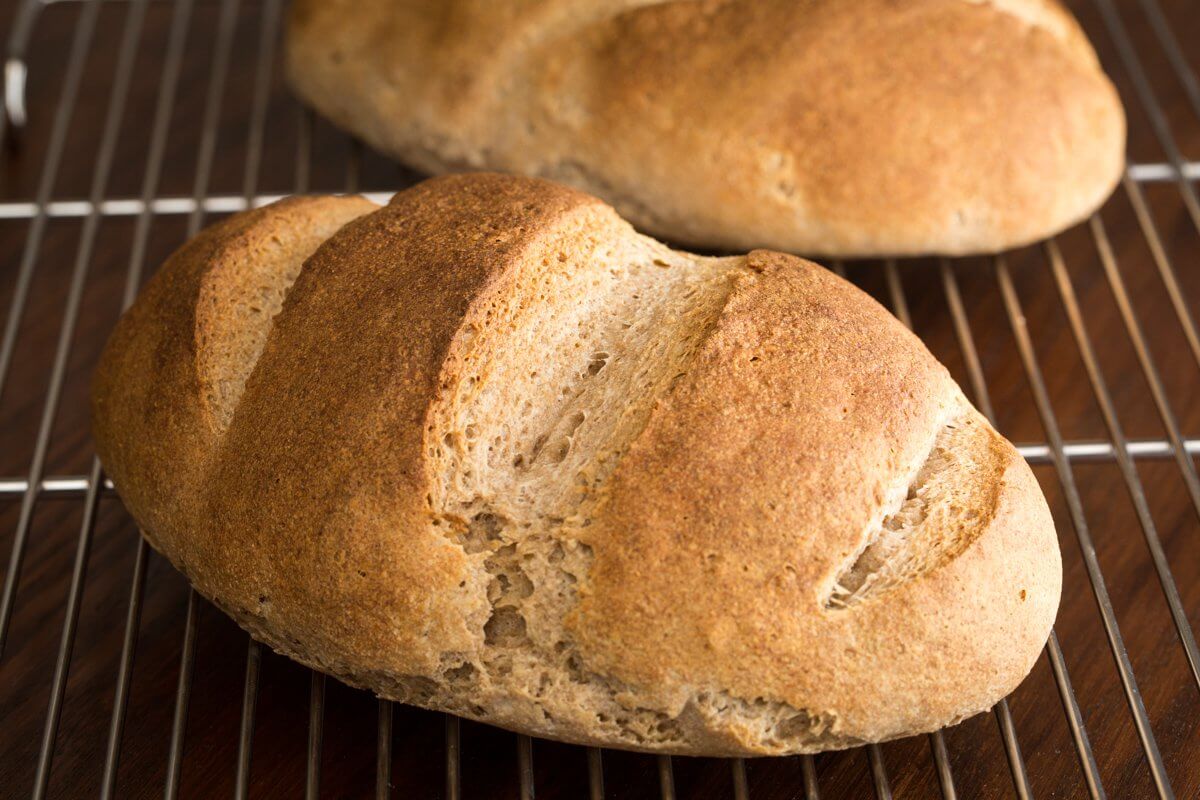
Sourdough isn't just a trend. It’s chemistry you can eat. Most folks start their journey thinking they’re just mixing flour and water, waiting for a miracle, but the real star of the show is the yeast for sourdough bread. It isn't the stuff you buy in those little foil packets at the grocery store. Not even close. Commercial yeast, specifically Saccharomyces cerevisiae, is a single-strain powerhouse bred for speed. It’s the sprinter of the baking world. Wild sourdough yeast? That’s a marathon runner with a complex personality.
It's alive.
When you capture wild yeast, you’re basically inviting a microscopic zoo into your kitchen. You’ve got a symbiotic culture of bacteria and yeast, often called a SCOBY, though bakers just call it "the starter." If you’ve ever wondered why your bread didn't rise or why it smells like old gym socks instead of tangy fruit, it usually comes down to how you're treating those microscopic fungi.
The Mystery of Saccharomyces Exiguus
Most people assume the yeast in their sourdough starter is the same stuff found in Fleishmann’s packets. Honestly, it’s usually not. While Saccharomyces cerevisiae can definitely show up in a wild starter, the dominant player is often Saccharomyces exiguus or Kazachstania exigua. These wild strains are incredibly hardy. They have to be. They live in a highly acidic environment alongside lactic acid bacteria (LAB) like Lactobacillus sanfranciscensis.
The relationship is fascinating.
The bacteria produce lactic and acetic acid, which drops the pH of your dough. Most yeasts would just give up and die in that kind of acidity. But the yeast for sourdough bread has evolved to thrive there. It doesn't compete with the bacteria for food, either. The bacteria prefer maltose, while the yeast ignores it and goes straight for the glucose and fructose. It’s a perfect roommate situation where nobody steals anyone else's snacks.
This is why sourdough takes so long to rise. Commercial yeast is designed to explode with CO2 in sixty minutes. Wild yeast takes its time, slowly breaking down complex starches and gluten, which—as a side benefit—actually makes the bread easier for your gut to handle. If you're rushing your sourdough, you're basically yelling at a marathon runner to finish a hundred-meter dash. It’s not going to happen, and the flavor will be thin and boring.
Why Your Local Air Doesn't Actually Matter
There’s this huge myth that the yeast in your bread comes from the "special air" in your kitchen or your specific city. You've heard it: "You can only make real San Francisco sourdough in San Francisco."
That’s basically marketing nonsense.
In 2020, the Global Sourdough Project at North Carolina State University, led by Dr. Rob Dunn and Anne Madden, analyzed thousands of starters from around the world. What they found was pretty shocking to traditionalists. The primary source of the yeast isn't the air. It’s the flour.
Wheat grows in dirt. Dirt is full of yeast and bacteria. When the grain is milled, those microbes stay on the flour. When you mix that flour with water, you’re "waking up" the microbes that were already there. They also found that the baker's hands contribute a significant amount of the microbial diversity. You are literally part of your bread. If you move your San Francisco starter to New Jersey and keep feeding it New Jersey flour, it eventually becomes a New Jersey starter.
Temperature: The Only Lever That Really Works
If you want to control your yeast, you have to control the heat. Yeast is lazy when it's cold and frantic when it's warm.
Most home bakers keep their kitchens around 68°F to 72°F. At this temperature, your yeast is moving at a casual stroll. If you want more "tang," you actually want to slow the yeast down even more by putting the dough in the fridge. This is called "retarding." It allows the bacteria to keep producing acid while the yeast sleeps.
But if you want a tall, fluffy loaf with less sourness? You need to find a warm spot, maybe 78°F or 80°F. At this "Goldilocks" temperature, the yeast for sourdough bread works fast enough to create a lot of gas before the bacteria can make the dough too acidic. Too much acid eventually degrades the gluten structure, which is why over-proofed bread turns into a flat pancake. It’s a delicate balance.
I’ve seen people use "proofers" or leave their dough on top of the fridge. Just be careful. If you hit 95°F, you’re starting to kill the very thing you're trying to grow.
The "Faux-Dough" Controversy
We need to talk about "yeast spiking."
Some commercial bakeries sell bread labeled as sourdough that actually uses a pinch of commercial dry yeast to speed things up. Purists call this "cheating." Scientifically, it changes the entire profile of the bread. When you add commercial yeast, it outcompetes the wild strains almost immediately. You get the rise, sure, but you lose the enzymatic breakdown that makes sourdough unique.
If you're buying sourdough and the ingredient list includes "yeast," it's not a traditional wild-fermented loaf. It’s just sourdough-flavored bread. Real sourdough relies 100% on the yeast for sourdough bread that lives in the starter.
Hydration Changes Everything
The amount of water in your starter—the hydration—dictates which microbes win the war.
A stiff starter (more flour, less water) tends to favor the yeast and produces a more mild, nutty flavor. It’s easier to manage if you’re a weekend baker because it ferments slower.
A liquid starter (equal weights flour and water) is the standard 100% hydration most people use. This environment is like a playground for the bacteria. It gets bubbly fast, it gets sour fast, and it needs to be fed more often. If you leave a liquid starter on the counter and forget to feed it for two days, it’ll start smelling like nail polish remover. That’s acetone, a byproduct of the yeast struggling to survive as its food source runs out.
Maintaining Your Yeast Without Going Crazy
You don’t need to feed your starter every day. That’s a recipe for burnout and a lot of wasted flour.
Unless you are running a professional bakery, keep your starter in the fridge. The yeast for sourdough bread can survive for weeks in a dormant state. I’ve revived starters that were neglected for two months. There was a scary-looking black liquid on top (called "hooch"), but underneath, the yeast was just waiting.
To bring it back, you just discard most of it and feed it fresh flour and unchlorinated water. Why unchlorinated? Because chlorine is literally designed to kill microbes. It won't always kill your starter, but it definitely won't help it. If your tap water smells like a swimming pool, let it sit out in an open jar overnight so the chlorine can evaporate before you use it for your bread.
Troubleshooting Your Wild Yeast
Sometimes the yeast just won't behave.
If your starter has bubbles but isn't actually rising, your "yeast for sourdough bread" might be there, but your flour doesn't have enough protein to trap the gas. Switch to a high-protein bread flour or add a bit of rye. Rye is like rocket fuel for yeast. It’s packed with nutrients and amylase enzymes that break down starches into sugar for the yeast to eat.
If you see orange or pink streaks? Throw it away. That’s not yeast; that’s a mold or a harmful bacteria like Serratia marcescens. It’s rare, but it happens if your jar wasn't clean or your flour was contaminated.
Real-World Action Steps for Better Fermentation
Stop guessing. If you want to master this, you need a plan.
First, get a digital scale. Measuring by cups is for muffins. Yeast is tiny; the margins for error are small. Weighing your flour and water ensures that when you find a "sweet spot" for your yeast, you can actually do it again next time.
Second, watch the dough, not the clock. If a recipe says "let rise for 4 hours," but your kitchen is 65 degrees, it might take 8 hours. If the dough hasn't doubled in size and feels heavy, the yeast hasn't finished its job.
Third, try a "long cold ferment." After you shape your loaf, put it in the fridge for 12 to 24 hours. This is the secret to that blistered, crackly crust and the deep flavor you see in professional "artisan" loaves. It gives the enzymes time to work their magic without the yeast over-inflating the dough.
The yeast for sourdough bread is a living partner in your baking. Treat it like a pet. Feed it well, keep it at the right temperature, and it will give you the best bread of your life. It takes patience, but honestly, the chemistry is worth the wait. Every loaf is a snapshot of the microbes in your kitchen and the flour you chose. That’s the beauty of it. It’s never exactly the same twice.
To get started today, take 50 grams of whole rye flour and 50 grams of water. Mix them in a clean glass jar. Leave it on your counter with a loose lid. Tomorrow, don't look for a miracle—just look for one single bubble. That’s the yeast waking up. That’s where it begins.