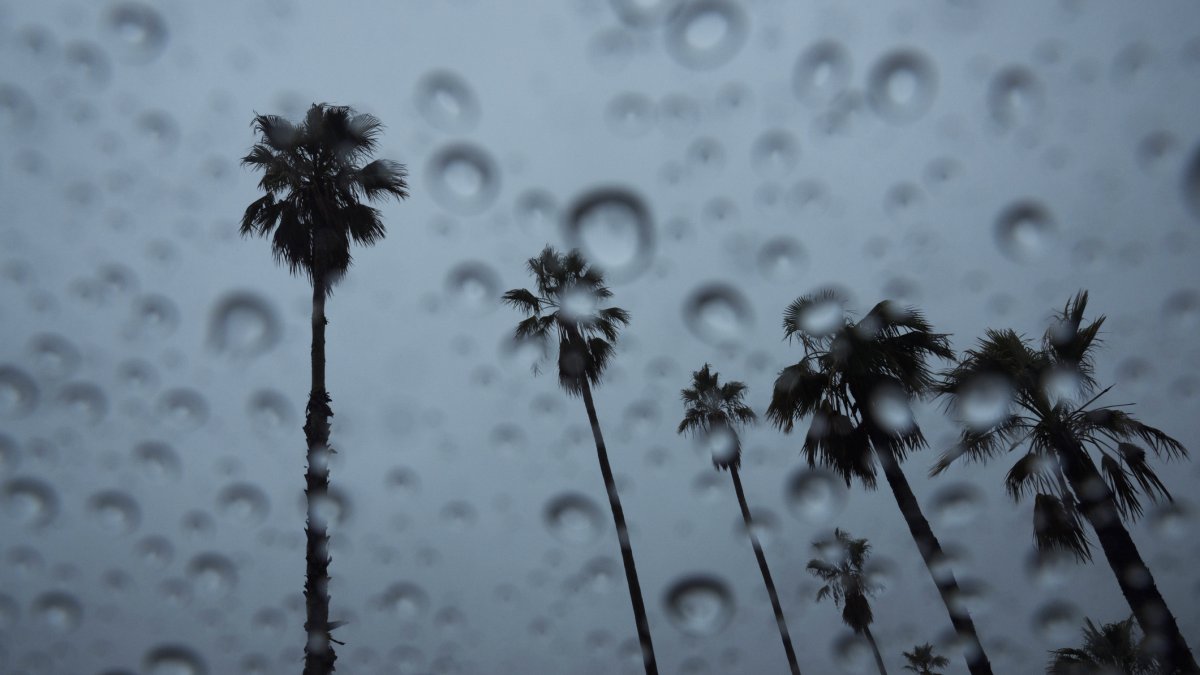
You’ve seen the movies. Every shot of LA features a bright, orange sun, palm trees that never sway, and a bone-dry Los Angeles River that serves as a backdrop for high-speed car chases. Because of that, most people think yearly rainfall in Los Angeles is basically a myth. They assume it never rains here. Like, ever. But if you lived through the 2023-2024 season, you know that’s just not true. Honestly, the "desert" label we give Southern California is technically wrong—it’s a Mediterranean climate—and that distinction matters when you're looking at the actual numbers.
Los Angeles is a city of extremes.
One year we’re staring down the barrel of a multi-year drought that has everyone panicked about their lawns, and the next, we’re getting hit by "Atmospheric Rivers" that dump a month's worth of water in forty-eight hours. It’s inconsistent. It’s chaotic. And if you’re trying to plan a move or just understand the ecosystem, you have to look past the "300 days of sunshine" marketing fluff.
The Real Numbers Behind Yearly Rainfall in Los Angeles
Let's talk stats, but let's keep it real. If you look at the National Weather Service data for DTLA (Downtown Los Angeles), the "normal" or average yearly rainfall in Los Angeles is usually cited around 14.25 inches. That’s the benchmark. But here’s the kicker: LA almost never actually sees exactly 14 inches.
We either get 6 or we get 25.
For instance, look at the 2022-2023 "water year" (which runs from October to September). Downtown LA recorded nearly 30 inches. That is double the average. Then look back at 2006-2007, when the city recorded a measly 3.21 inches. That is less than some parts of the Sahara Desert get in a year. This volatility is the defining characteristic of the region. We don't have "rainy seasons" like the Pacific Northwest where it drizzles for six months. We have "event-based" rain.
It stays dry for months. Then the sky falls.
Why Geography Changes Everything
You can’t just say "LA rain" and mean one thing. The basin is huge. If you’re standing on the Santa Monica Pier, your experience is totally different from someone living in Pasadena or up in the San Gabriel Mountains.
The mountains are the big players here. It's called "orographic lift." Basically, moist air comes off the Pacific, hits the mountains, and gets forced upward. As that air rises, it cools and dumps all its moisture. This is why places like Mt. Wilson can see 30 or 40 inches of rain in the same year that LAX only sees 12. If you’re living in the foothills, you’re basically in a different climate zone than the beach bums.
The Atmospheric River Phenomenon
The term "Atmospheric River" has become a buzzword lately, but it’s a real thing that dictates our lives. These are essentially "rivers in the sky"—long, narrow regions in the atmosphere that transport water vapor outside the tropics. When one of these points directly at Southern California, it’s like a fire hose being turned on.
In February 2024, a massive storm fueled by one of these rivers dumped over 7 inches of rain on DTLA in just two days. That’s half a year's worth of water in 48 hours. It causes mudslides, it floods the 110 freeway, and it turns the dry concrete riverbed into a raging torrent. This isn't "gentle spring rain." It’s a literal deluge that tests the city's infrastructure to its breaking point.
Misconceptions About the LA Drought Cycle
People always ask: "Is the drought over?"
The answer is always "sorta."
A single massive year of yearly rainfall in Los Angeles doesn't magically fix a decade of dryness. Our groundwater basins are like giant sponges that have been squeezed dry for years. One heavy rain fills the reservoirs—which is great for the short term—but it doesn't necessarily replenish the deep aquifers that we rely on during the lean years.
Also, we waste a lot of it.
Because LA was built to prevent flooding, we paved over everything. When it rains, instead of the water soaking into the ground, it hits the pavement, picks up oil and trash, and zips through storm drains directly into the ocean. We’re getting better at "water harvesting," but for now, a huge percentage of that record-breaking rainfall just ends up in the Pacific. It's a weird irony. We’re desperate for water, yet we spend millions of dollars on engineering to get it out of the city as fast as possible so the streets don't flood.
The Impact of El Niño and La Niña
You’ve probably heard meteorologists talk about El Niño until they’re blue in the face. Generally, El Niño years (warmer ocean temps in the equatorial Pacific) mean more rain for Southern California. La Niña years usually mean we stay dry.
But even that isn't a guarantee.
Nature is weird. We’ve had "Godzilla" El Niños that resulted in below-average rain, and we’ve had neutral years that flooded us out. It makes forecasting yearly rainfall in Los Angeles a nightmare for the experts at the NOAA. They can give us a "probability," but at the end of the day, it's a roll of the dice.
How to Prepare for the "Big Rain" Years
If you live here, you learn the rhythm. You stop washing your car in January. You check your windshield wipers before the first storm hits, because once the clouds roll in, every AutoZone in the city will be sold out.
If you own a home, the stakes are higher.
- Clean your gutters in October. If they’re full of dried leaves and jacaranda pods, that first storm will overflow them and send water straight into your foundation.
- Check your drainage. If you have "low spots" in your yard, they will become ponds.
- Sandbags are your friend. If you live near a recent burn scar (where a wildfire happened), the risk of debris flows is terrifyingly real. Without vegetation to hold the soil, a few inches of rain can bring half a mountain down into your living room.
Real Talk on the "May Gray" and "June Gloom"
It’s worth mentioning that not all moisture is rain. We have the "marine layer." This thick fog blankets the city in late spring. It doesn't usually show up in the yearly rainfall in Los Angeles totals because it’s just mist, but it can actually "drip" enough to make the roads slick. It’s a weird, damp humidity that keeps the city cool while the rest of the country is starting to bake.
The Future of Water in the City of Angels
We’re moving toward a "sponge city" model. Projects like the Rory M. Shaw Wetlands Park are designed to capture runoff rather than dumping it in the sea. This is the only way the city survives the next hundred years. We can’t rely on the Sierra Nevada snowpack forever, especially as those totals become less reliable. We have to start treating every drop of rain that falls on the 405 as a resource, not a nuisance.
The "average" rainfall is a lie because it's built on extremes.
One year you’re wondering if you should replace your lawn with gravel, and the next you’re buying an umbrella for the first time in five years. That’s just the price of living in paradise. You get the sun, you get the surf, but every once in a while, you get the flood.
Actionable Steps for Residents and Travelers
If you are tracking rain for gardening, construction, or travel, stop looking at monthly averages and start looking at "water year" totals. Follow the National Weather Service Los Angeles Twitter (X) feed for real-time updates. They are the gold standard for accuracy. If you're a homeowner, look into the LA County "Smart Gardening" programs; they often provide rebates for rain barrels. Capturing just one storm can provide enough water to keep your garden alive through a dry July.
Finally, if it is raining, stay off the freeways. Angelenos famously forget how to drive the second a drop hits the windshield. It’s not just a meme; the accident rates genuinely spike. Stay home, put on a sweater, and enjoy the rare sound of water hitting the roof. It won't last long.
Practical Next Steps:
- Check your roof and gutters now, specifically before the October-to-March window begins.
- Install a rain barrel. Many LA-area utility companies offer $75-$100 rebates, making them nearly free.
- Monitor the "Water Year" totals at the LACDPW website to see if we are currently above or below the 14-inch average.
- Replace thirsty turf with native California plants like White Sage or Toyon that actually thrive on the inconsistent rainfall patterns of the Los Angeles basin.



