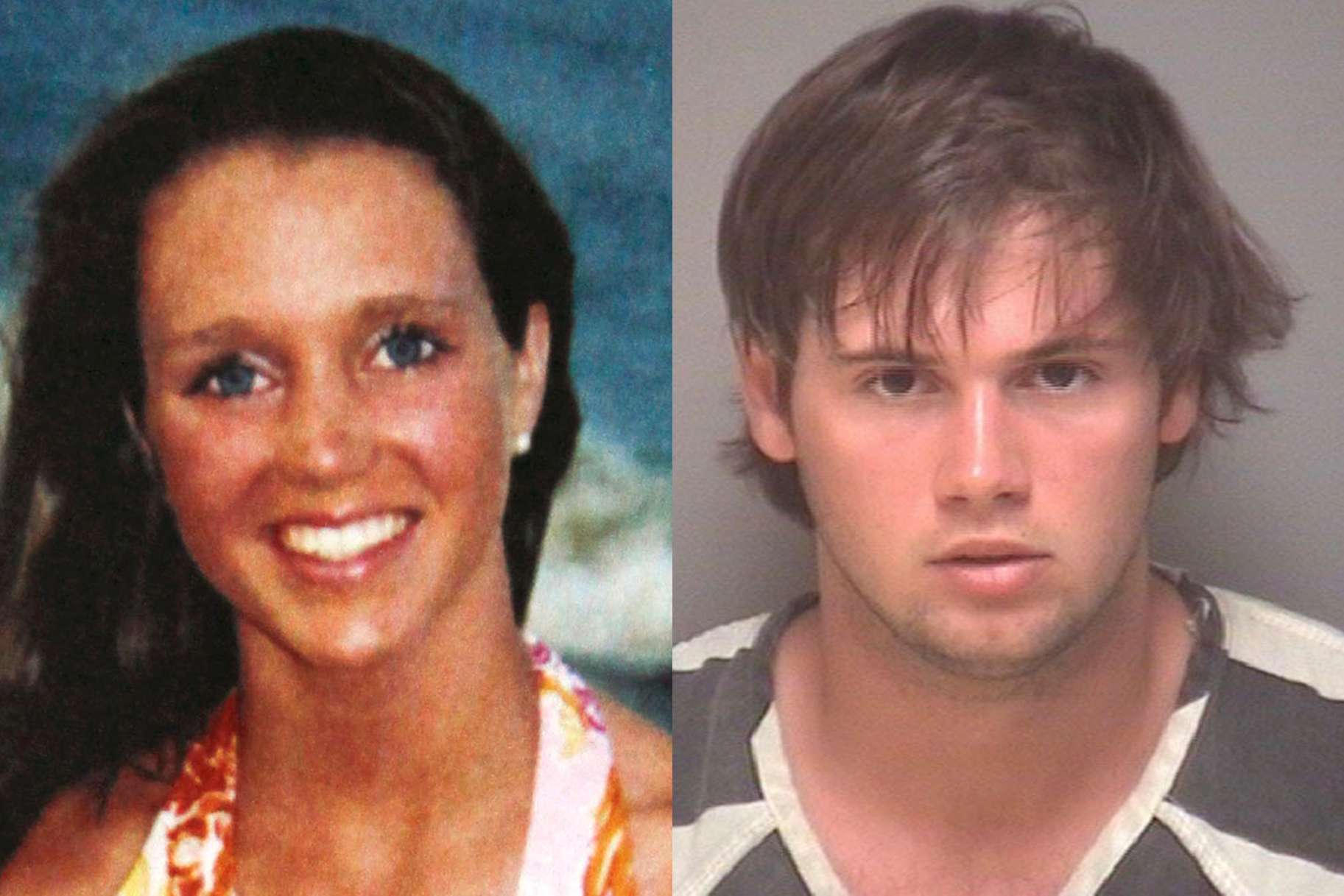
It was 2010. Graduation was just around the corner at the University of Virginia. Yeardley Love, a bright, athletic senior on the women's lacrosse team, was found dead in her apartment. The person responsible wasn't a stranger. It was her ex-boyfriend, George Huguely V, a star on the men’s lacrosse team.
People still talk about this case because it feels like a movie script that went horribly wrong. Two privileged athletes at a prestigious school, a "rocky" romance, and a night of heavy drinking that ended in a life lost. Honestly, it's the kind of story that sticks with you. It forced a massive, national conversation about what "unhealthy" actually looks like before it turns into "dangerous."
What Really Happened with Yeardley Love and George Huguely
You've probably heard the basics, but the details from that night are still chilling. On May 3, 2010, Yeardley’s roommate found her face down in her pillow. There was blood. There were bruises. At first, the roommate thought it was an alcohol overdose. It wasn't.
George Huguely had spent the day drinking. A lot. We’re talking 45 to 50 drinks over a 30-hour period, according to some estimates. He was "pissed" because Yeardley wouldn't talk to him. He walked over to her apartment, kicked a hole in her bedroom door, and confronted her.
He admitted to police that he "shook her" and that her head hit the wall repeatedly. He took her laptop as "collateral" and left. When the police told him the next morning that she was dead, he couldn't believe it. He claimed he didn't know he had killed her.
The Legal Fallout and a 23-Year Sentence
The trial in 2012 was a circus. The defense tried to argue that Yeardley died from a "drunken accident" or even a combination of Adderall and alcohol causing a heart issue. The jury didn't buy it.
They convicted Huguely of second-degree murder. He was sentenced to 23 years in prison. In Virginia, you serve about 85% of your sentence for violent crimes, which means he’s been behind bars for over a decade now.
But the legal battles didn't stop there.
- 2012: Sharon Love (Yeardley's mom) filed a wrongful death suit against UVA and the coaches. That was eventually dropped.
- 2018: The family refiled a suit against Huguely specifically.
- 2022: A civil jury awarded the Love family $15 million in damages.
That $15 million verdict was a huge deal. It wasn't just about the money; it was a legal statement that "voluntary intoxication" is not an excuse for violence.
Why This Case Still Matters in 2026
You might think, "This happened years ago, why does it still show up in the news?"
Because of the One Love Foundation.
Instead of just grieving, Yeardley’s mother and sister, Lexie, started a foundation to teach young people about the "10 Signs" of a healthy versus unhealthy relationship. They basically turned their trauma into a roadmap for everyone else.
Most people don't realize that Yeardley and George’s relationship had plenty of red flags before that final night. There was an incident where he choked her at a party. There were threatening emails where he literally wrote, "I should have killed you." These weren't "passionate fights." They were warnings.
Common Misconceptions About the Case
There’s a lot of noise online about this story. Let's clear some of it up.
- Was it premeditated? The jury said no. That's why it was second-degree murder, not first-degree. They believed he was a drunk, violent mess, but they didn't think he went there specifically to end her life.
- Is George Huguely out of prison? Not yet. As of 2026, he is still serving his time.
- Did UVA know? This is a gray area. The lawsuit against the school claimed coaches knew about Huguely’s drinking and past violence. While the legal claims against the university were dropped, it sparked a massive change in how colleges handle athlete conduct and domestic reports.
Lessons We Can Actually Use
The Yeardley Love story isn't just a true crime curiosity. It’s a case study in "bystander intervention."
If you’re a student, a parent, or just a friend, there are things you can do differently than the people around Yeardley and George did.
- Don't dismiss "rocky" as normal. If a couple is constantly breaking up and getting back together with "intensity," it’s often a sign of instability, not passion.
- Watch for the "Shifting Blame" pattern. Huguely often blamed his actions on the alcohol. In reality, the alcohol just lowered the inhibitions for the violence that was already there.
- Take "jokes" or "venting" seriously. When someone says they want to hurt their partner, even in an email sent while drunk, believe them.
Moving Forward
If you want to honor Yeardley's memory or just stay safe, the best thing to do is learn the "10 Signs" of relationship abuse. The One Love Foundation has reached millions of students for a reason. They teach you how to spot "Intensity," "Isolation," and "Volatility" before a situation escalates.
Check in on your friends. If someone seems scared of their partner’s reaction to a text or a night out, don't ignore it. That "one talk" you have might be the thing that prevents a tragedy.
Next Steps for Awareness:
- Review the 10 Signs of Unhealthy Relationships on the One Love Foundation website.
- Download the "MyPlan" app, which is a tool designed to help people in unsafe relationships assess their risk and find resources anonymously.
- Encourage local schools or sports teams to host a workshop on relationship health, focusing on the fact that domestic violence doesn't have a "type"—it can happen in any zip code and to anyone.