You’ve seen the postcards. Perpetual sunshine, palm trees swaying against a neon-blue sky, and people wearing sunglasses in December. It’s a vibe. But honestly? If you think Los Angeles weather is just one long, unchanging summer, you’re in for a bit of a shock.
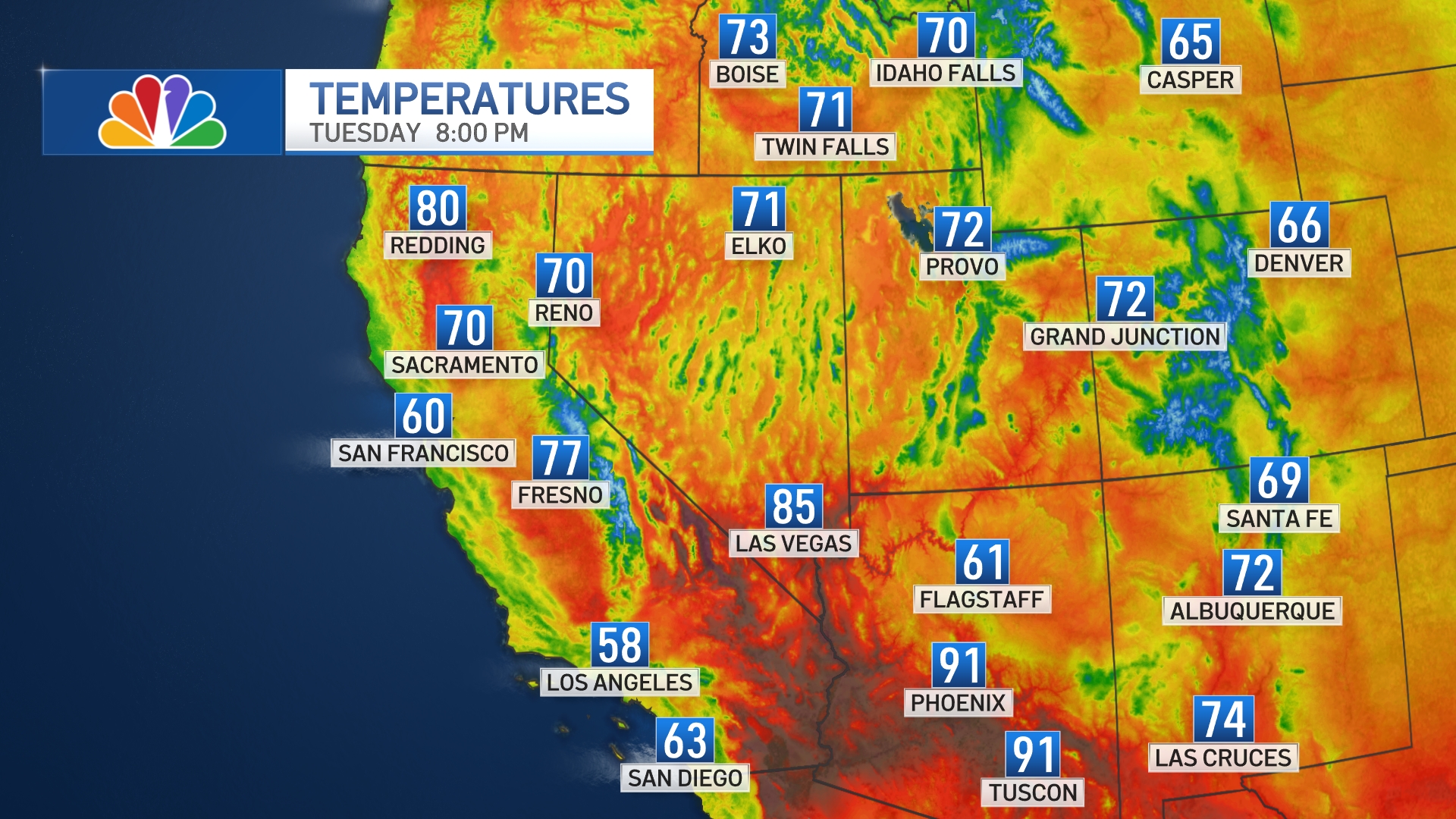
The truth is way more complex. Los Angeles is a patchwork of microclimates where it can be a chilly 62 degrees at the Santa Monica Pier while people are literally roasting in 95-degree heat just twenty miles inland in the San Fernando Valley.
I’ve lived through enough "June Gloom" mornings and "Santa Ana" wind events to tell you that packing for a trip here isn't as simple as tossing a swimsuit in a bag.
The Myth of the "Perfect" Mediterranean Climate
Technically, we have a Mediterranean climate. That sounds fancy and European, but basically, it just means our winters are short and wet (relatively speaking) and our summers are bone-dry.
But "dry" doesn't always mean "sunny."
Take the phenomenon known as May Gray and June Gloom. If you book a beach rental in mid-June expecting California Dreamin’ vibes, you might spend your entire vacation under a thick, gray blanket of marine layer clouds. This isn't smog; it's a massive wall of low-altitude stratus clouds that rolls in from the Pacific. Sometimes it "burns off" by 2:00 PM. Other times? It lingers all day, making the coast feel more like Seattle than SoCal.
Seasonal Breakdown: What to Actually Expect
- Winter (December – February): This is our "rainy" season. I put that in quotes because, in a bad drought year, we might see nothing. But when it hits, it pours. January 2024 saw some of the most intense atmospheric rivers in recent memory. Temperatures usually hover around 68°F (20°C) during the day, but it drops into the high 40s at night. You’ll need a real jacket.
- Spring (March – May): This is arguably the most beautiful time. The hills are actually green for about three weeks before the sun kills everything. However, late spring is when the "Gray" starts to set in.
- Summer (June – August): July and August are the heavy hitters. In 2025, we saw temperatures in the valleys consistently spiking over 100°F (38°C). The humidity is low, which makes the heat feel "crispy" rather than "sticky," but it’s still punishing if you’re at Universal Studios all day.
- Autumn (September – November): Locals know this is the real summer. September is often the hottest month of the year. It’s also the start of the Santa Ana winds—hot, dry gusts that blow in from the desert.
The Microclimate Reality Check
You can't just check "the weather in LA." That’s like checking the weather for "the state of Rhode Island." The topography here—the mountains, the basin, the ocean—creates wild variance.
Santa Monica vs. Burbank On a typical July afternoon, Santa Monica might be 72°F. You take the 405 North through the Sepulveda Pass into the Valley, and by the time you hit Burbank, your car’s external thermometer is reading 94°F. That is a 22-degree difference in a 20-minute drive.
This is because the ocean acts as a giant air conditioner for the coast. The farther you move from the water, the more you lose that breeze, and the more the heat gets trapped against the mountains.
Wildfires and Air Quality: The New Normal
We have to talk about it. Wildfire season used to be a few months in the fall. Now, it’s kind of year-round.
In January 2025, a series of devastating blazes, including the Palisades Fire, proved that even the "wet" months aren't safe if the Santa Ana winds are blowing. These winds are katabatic—they heat up as they descend from the high deserts, drying out the brush until it’s basically tinder.
When the fires start, the air quality (AQI) in the basin can tank within hours. If you’re visiting during a high-wind event, keep an eye on the PurpleAir maps or the AirNow app. It’s not just about visibility; the particulate matter (PM2.5) from these fires can be pretty rough on the lungs, especially with the recent findings from UCLA researchers about carcinogens in urban fire smoke.
When Should You Actually Visit?
If you want the best version of Los Angeles weather, aim for late September through October or April through May.
In the fall, the "Gloom" is gone, the ocean is at its warmest (though "warm" is relative—the Pacific is always cold), and the crowds have thinned out. Just be prepared for a random 100-degree heatwave.
Spring gives you that iconic clear-sky look, especially right after a rainstorm when the wind has blown all the dust and haze away. The views from Griffith Observatory after a spring rain are, frankly, unbeatable. You can see all the way to Catalina Island and the snow-capped peaks of the San Gabriel Mountains at the same time.
Quick Packing Tips for the LA Climate
- Layers are non-negotiable. I don't care if the forecast says 80°F. The moment the sun goes down, the temperature craters. Always have a hoodie or a denim jacket.
- Sunscreen is a year-round requirement. Even on those gray June mornings, the UV index is high. The "clouds" are thin enough that you'll still end up looking like a lobster by noon.
- Check the "Area" forecast. If you’re staying in West Hollywood but planning a day trip to Malibu, check both. They are different worlds.
Actionable Next Steps: Check the current National Weather Service (NWS) Los Angeles office for "Special Weather Statements" before your trip. If you see a "Red Flag Warning" or a "High Wind Watch," it means Santa Ana conditions are expected—pack eye drops for the dry air and be prepared for potential fire closures in hiking areas like Runyon Canyon or Topanga State Park.