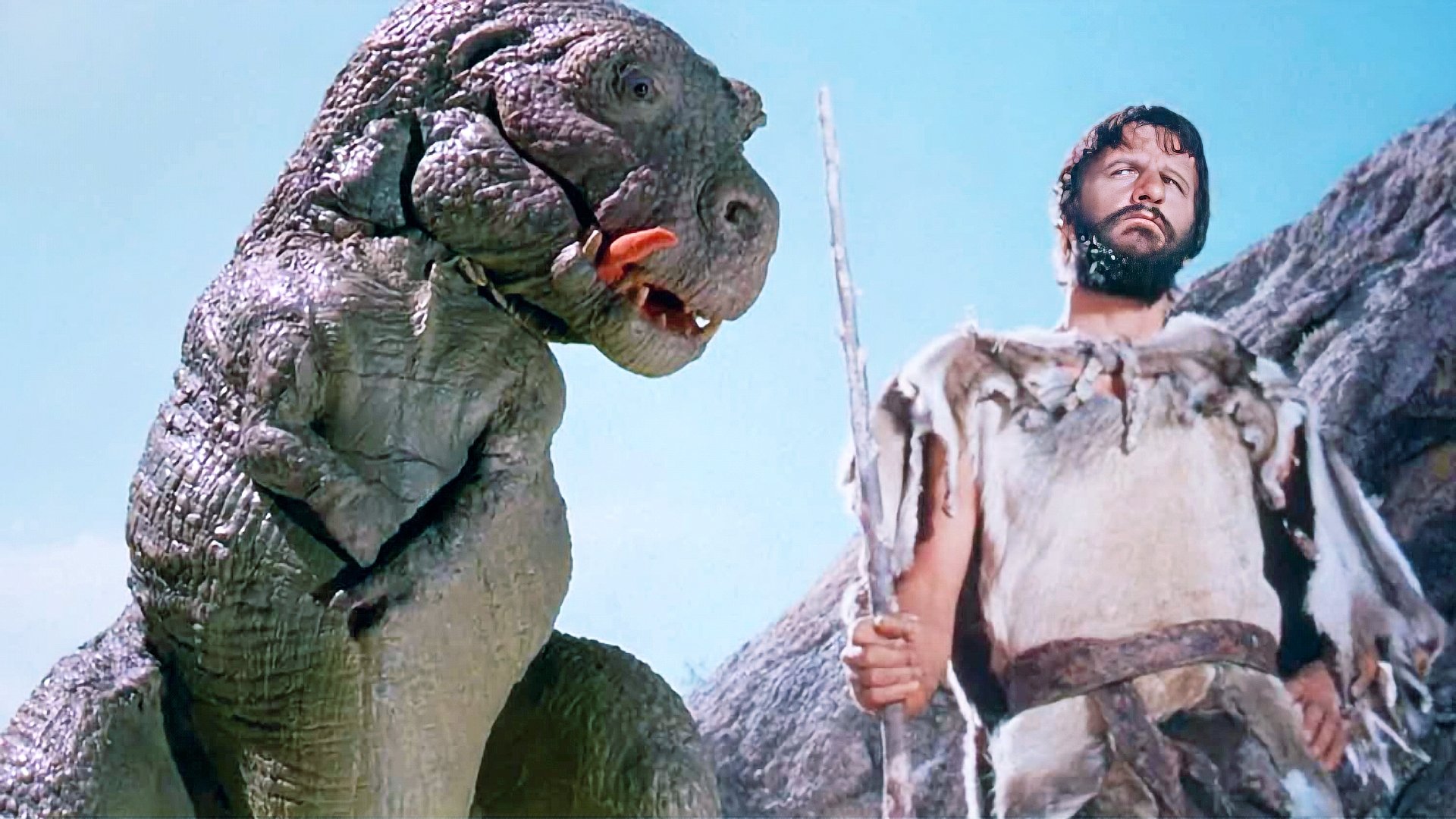
It was 2009. Harold Ramis, the legendary mind behind Groundhog Day and Caddyshack, teamed up with Judd Apatow and Jack Black. On paper, it looked like a slam dunk. People still call it the Jack Black caveman movie, though the actual title is Year One. It’s one of those weird artifacts of late-2000s comedy that feels like a fever dream when you watch it today. Michael Cera plays the skinny, anxious foil to Black’s boisterous, fruit-eating protagonist. It didn't exactly set the world on fire. Actually, critics kind of hated it. But if you dig into the production and the weird historical mashup they attempted, there’s a lot more going on than just a few guys in loincloths making fart jokes.
Honestly, the movie is a mess. It’s a chaotic, sprawling journey through a fictionalized biblical past that shouldn't work, and half the time, it doesn't. But it’s also a fascinating look at the end of an era for a specific type of big-budget studio comedy.
Why the Jack Black caveman movie felt so weird
The premise is basically "What if two losers from a hunter-gatherer tribe accidentally stumbled through the entire Old Testament?" Jack Black is Zed, a guy who eats from the Tree of Knowledge and gets banished. Michael Cera is Oh, his reluctant best friend who just wants to stay home and not get murdered. They leave their village and immediately run into Cain and Abel. Then they find themselves in the city of Sodom.
It’s not technically a "caveman" movie in the prehistoric sense. It’s more of a "Bronze Age" satire, but because of the animal skins and the primitive tech in the first twenty minutes, the Jack Black caveman movie label stuck forever.
The tone is all over the place. You have Harold Ramis trying to inject some of that dry, intellectual wit he was known for, but it’s constantly being interrupted by the broad, physical slapstick that Jack Black excels at. It feels like two different movies fighting for air. One movie wants to be Life of Brian, questioning the absurdity of early religious structures. The other movie just wants to see Jack Black get hit in the face with a stick.
The Apatow touch and the cast list
If you look at the credits, it’s a "who’s who" of 2009 comedy. This was the peak of the Judd Apatow production empire. You have:
- David Cross as Cain (who is hilariously sociopathic).
- Paul Rudd in an uncredited cameo.
- Bill Hader and Horatio Sanz.
- Christopher Mintz-Plasse, fresh off his Superbad fame.
- Olivia Wilde as Princess Inanna.
The chemistry between Black and Cera is the only thing that keeps the wheels from falling off. Black is doing his high-energy, eyebrow-wiggling thing, while Cera is at his peak "awkward mumble" phase. It’s a classic comedic pairing, even if the script doesn't always give them much to work with.
The critical reception vs. the cult following
When Year One hit theaters, the reviews were brutal. Rotten Tomatoes currently has it sitting at a dismal 14%. Critics like Roger Ebert were disappointed, mostly because they expected more from Harold Ramis. This was, unfortunately, the last film Ramis directed before he passed away in 2014. That gives the movie a somewhat bittersweet legacy. It wasn't the high-note exit a legend deserved, but you can still see his fingerprints in the more satirical moments.
But here’s the thing. Movies like the Jack Black caveman movie often find a second life on streaming.
A lot of people who were ten years old in 2009 remember this as a comedy masterpiece. They don't care about the pacing issues or the tonal shifts. They remember the scene where Zed tries to hunt a deer and fails miserably, or the bizarre ritual scenes in Sodom. It’s become a "hangout movie"—something you put on in the background because the vibes are goofy and the stakes feel low.
Why it didn't become the next Ghostbusters
Harold Ramis knew how to make high-concept comedy work. Ghostbusters is the gold standard for that. So what went wrong here?
Budget was a big factor. The movie cost about $60 million to make. For a comedy in 2009, that’s a massive swing. When you spend that much, the studio wants a broad, PG-13 crowd-pleaser. But the subject matter—skewering biblical stories—is naturally a bit more niche and controversial. To play it safe, they watered down the satire, leaving it in a middle ground where it wasn't smart enough for the Monty Python fans and wasn't quite focused enough for the Tropic Thunder fans.
Also, the marketing was confusing. The trailers leaned hard into the "caveman" aesthetic, making people think it was going to be a prehistoric adventure. When the movie turned into a series of vignettes about the Book of Genesis, audiences felt a bit bait-and-switched.
The actual filming locations and "Primitive" sets
Most of the movie was filmed in New Mexico and Louisiana. They built these massive, sprawling sets for the city of Sodom that actually look pretty impressive for a comedy. The production design by Jefferson Sage tried to give the film a "lived-in" historical feel, which makes the absurdity of the dialogue stand out even more.
The contrast between the "serious" look of the film and the "not-at-all-serious" performances is one of its weirdest charms. You have these high-quality costumes and desert vistas, and then Jack Black just starts riffing about how he’s a "chosen one" because he ate a forbidden fruit.
Is the Jack Black caveman movie worth a rewatch?
If you’re expecting a tight, perfectly crafted comedy, probably not. But if you want to see a bunch of incredibly talented people having a weird time in the desert, it’s actually kind of fascinating.
There are individual scenes that are genuinely funny. David Cross as Cain is a highlight; he plays the character with a dry, mundane evil that feels very modern. The interaction between Zed and a very confused Abraham (played by Hank Azaria) is another moment where the "historical satire" actually lands.
What to look for if you watch it today
- The Cameos: Keep an eye out for Juno Temple and even a young Matthew J. Willig.
- The Improv: You can tell where Black and Cera are just riffing. Those moments usually land better than the scripted plot points.
- The Ramis Influence: Look for the subtle jabs at organized religion and social hierarchy. They’re buried under the slapstick, but they’re there.
The Jack Black caveman movie represents a specific moment in time when studios were willing to drop huge amounts of money on R-rated (or hard PG-13) comedies based on star power alone. We don't really see movies like this anymore. Everything now is either a $200 million franchise tentpole or a $5 million indie. A $60 million historical comedy is a dinosaur—pun intended.
How to find and watch Year One
Finding Year One is usually pretty easy. It cycles through the major streaming platforms like Netflix, Hulu, and Max fairly regularly.
If you're going to dive back in, try to find the "Unrated" version. It doesn't change the plot significantly, but it restores some of the raunchier jokes that were trimmed to get the PG-13 rating for theaters. It feels a bit more like the movie the cast actually wanted to make.
Instead of looking for a masterpiece, look for the weirdness. Appreciate it as a bizarre artifact of 2000s comedy culture. It’s a movie where Jack Black fights a snake, Michael Cera gets rubbed with oil, and the world almost ends because of a misunderstanding about a sacrifice. It’s messy, it’s loud, and it’s occasionally very funny.
Actionable Takeaways for Movie Buffs
- Check the "Unrated" Cut: If you’re revisiting Year One, the theatrical cut is significantly neutered compared to the extended version.
- Watch for Harold Ramis' Final Directorial Cues: View it as a companion piece to Animal House or Caddyshack to see how he tried to evolve the "misfits vs. the system" trope into a historical setting.
- Compare it to Land of the Lost: Released the same year (2009), Will Ferrell's Land of the Lost is often confused with Year One. Watching them back-to-back offers a masterclass in why high-budget "primitive" comedies struggled at the box office during that window.
- Research the Biblical Satire: To get the most out of the jokes, brush up on the basic beats of the Cain and Abel story and the destruction of Sodom; the movie assumes you know the "serious" versions of these tales.



