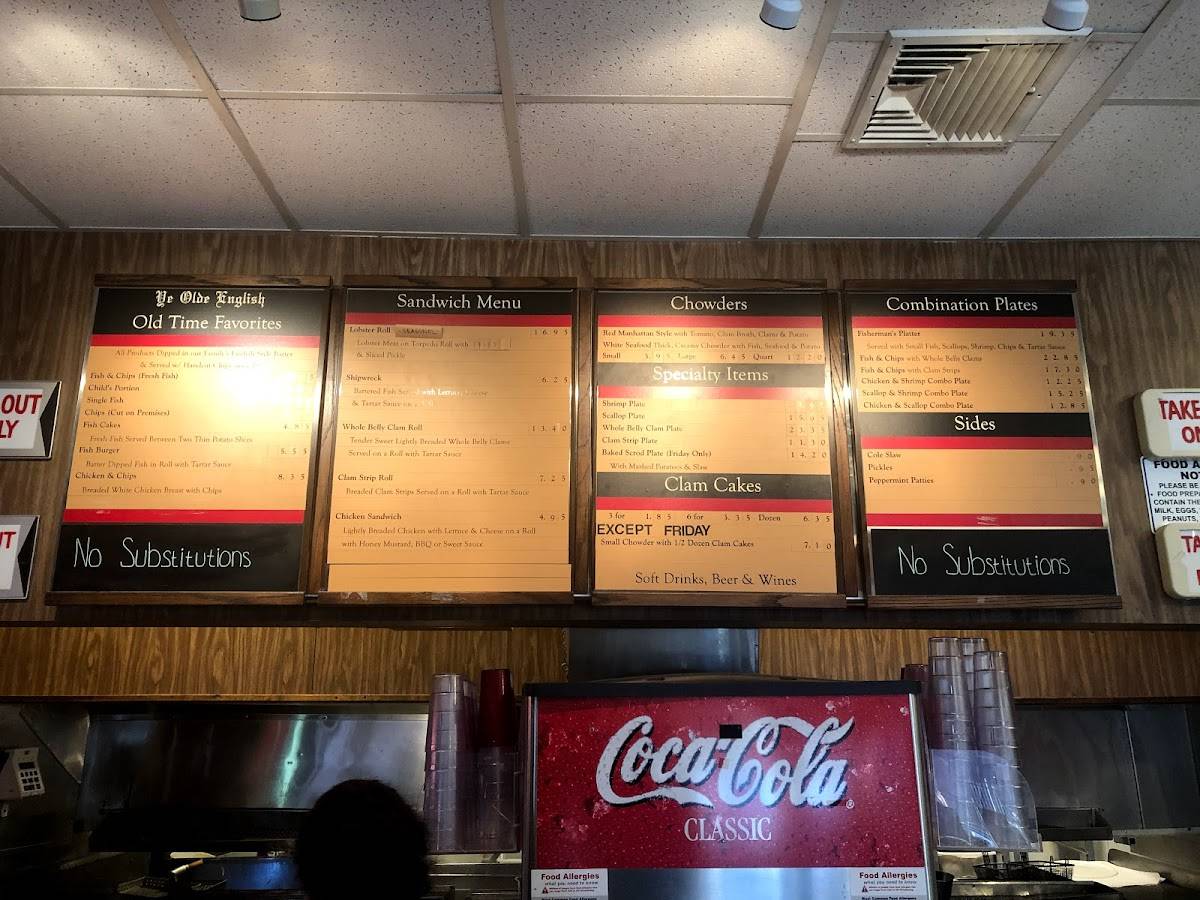
Woonsocket is a weirdly beautiful place. If you’ve ever driven through the northern tip of Rhode Island, you know exactly what I mean. It’s gritty, it’s historic, and it smells like a mix of old river water and deep-fryer grease in the best possible way. Tucked into this landscape is a place that shouldn't really make sense—Ye Olde English Fish and Chips. It’s a restaurant that feels like a time capsule, a stubborn holdout against the "fast-casual" wave that’s ruined so many local food scenes.
Honestly, the name sounds like a tourist trap. It isn't.
Since 1922, this spot has been feeding the Blackstone Valley. Think about that for a second. This place survived the Great Depression, World War II, the collapse of the textile mills, and the rise of the internet. It stayed put while the city around it changed its identity a dozen times. People in Woonsocket don't just go there for the food; they go because it’s one of the few things in their lives that hasn't changed its recipe or its vibe in a century. It's a landmark.
The Secret Behind the Batter at Ye Olde English
Most fish and chip spots use a beer batter that’s heavy and thick. It’s basically bread. Ye Olde English does it differently. They use a proprietary batter that’s famously light and crunchy, clinging to the fish without overwhelming it. They’ve been using the same basic technique for decades.
You get these giant, irregular pieces of scrod or haddock. They aren't uniform. They aren't "portioned" by a corporate kitchen. Each piece looks like it was battered by someone who has been doing it since the 70s—and in many cases, they have.
Then there are the chips.
If you’re expecting thin, salty McDonald's fries, you're in the wrong place. These are thick-cut, British-style chips. They’re soft on the inside, almost like a steamed potato, with just enough crisp on the outside to hold up against the vinegar. And yes, you have to use the malt vinegar. It’s basically the law in Woonsocket. If you walk in there and ask for ranch, you might get a few side-eyes from the regulars who have been sitting in the same booths since the Nixon administration.
Why Woonsocket?
You might wonder why a classic English chippy ended up in a city known primarily for its French-Canadian heritage. Woonsocket was a massive textile hub. The mills brought in workers from everywhere. While the French-Canadians were the majority, there was a significant influx of English and Scottish immigrants who brought their own comfort foods with them. Ye Olde English filled a void for those workers. It provided a cheap, high-calorie, delicious meal that reminded them of home.
It stuck.
The interior of the restaurant reflects this history. It’s not "retro-chic." It’s just old. The wood paneling, the booths, the lighting—it all feels authentic because it is authentic. You can't fake this kind of patina. New restaurants spend millions of dollars trying to look "industrial" or "historic," but Ye Olde English just waited a hundred years for the look to become cool again.
The Survival of a Century-Old Menu
The menu is shockingly short. In an era where every restaurant tries to be everything to everyone, this place stays in its lane. You get fish. You get chips. You maybe get some clam cakes or a side of coleslaw. That's it.
- The Scrod: The gold standard. Fresh, flaky, and never frozen.
- Clam Cakes: This is a Rhode Island staple. These are savory dough balls filled with chopped clams, deep-fried until they’re golden brown.
- The Chowder: Usually a clear or white base, depending on the day, but always hearty.
There’s a specific rhythm to the service there, too. It’s fast but not rushed. The staff knows the regulars by name. You'll see grandfathers bringing their grandkids, explaining that their grandfathers brought them here. It’s a weirdly emotional experience for a place that serves fried seafood on paper plates.
Addressing the Modern Critics
Is it healthy? No. Absolutely not. Everything is fried. If you’re on a keto diet or looking for a kale salad, don't go to Ye Olde English Fish and Chips.
Some people complain that the oil is too heavy or that the place looks dated. Those people are missing the point. The "dated" look is the draw. The heavy oil is part of the tradition. In a world of sanitized, corporate dining experiences where every Applebee's looks identical, there is immense value in a place that still smells like 1954.
There’s also the matter of the Blackstone River. The restaurant sits right in the heart of the old industrial district. It’s a reminder of when Woonsocket was the "Northern Capital" of Rhode Island's economy. When you eat here, you're participating in the local economy in a way that feels more direct than buying a burger at a drive-thru.
What to Know Before You Go
If you’re planning a trip to Ye Olde English, there are a few things you should know. It's not a fancy dinner spot. It's a "grab a booth and eat with your hands" kind of place.
- Bring Cash: While they’ve modernized a bit, it’s always safer to have cash in a place this old-school.
- Parking is... an Adventure: Woonsocket’s streets were designed for horses, not SUVs. Be prepared to walk a block or two.
- The Rush is Real: Friday nights are legendary. In Rhode Island, "Fish Friday" is practically a religious holiday, even for the non-religious. If you go on a Friday at 6:00 PM, expect a wait.
- Try the Vinegar: I mentioned it before, but seriously. Don't ruin the chips with ketchup immediately. Try the malt vinegar first. It cuts through the grease and changes the whole flavor profile.
The Cultural Weight of a Deep Fryer
We talk a lot about "heritage" in food, but we usually mean expensive wine or artisanal cheese. In Woonsocket, heritage is a piece of fried fish. It represents the working-class roots of the city. It represents the endurance of small business.
During the 2008 recession, and even through the chaos of 2020, people still lined up at Ye Olde English. When the world feels like it's falling apart, there is something deeply comforting about knowing you can still get the same fish and chips your great-grandfather ate. It’s a touchstone. It’s a piece of Woonsocket’s DNA.
The restaurant has changed hands over the years, but the owners have been remarkably consistent in not changing the things that matter. They haven't tried to "modernize" the batter. They haven't added avocado toast to the menu. They understand that their value lies in their consistency.
Finding the Authentic Woonsocket
If you want to understand the city, you have to eat at Ye Olde English. You have to sit in the booth, listen to the clatter of the kitchen, and look at the old photos on the walls. It’s a sensory experience that tells the story of the Industrial Revolution better than any textbook could.
Woonsocket has had its share of struggles. It’s a city that has been kicked around by the economy more than once. But places like this show a certain kind of New England grit. They don't quit. They just keep frying the fish, day after day, year after year.
It's honestly impressive.
When you walk out of the restaurant, smelling like fried batter and malt vinegar, you’re part of a century-long tradition. You’ve supported a local institution that has survived against all odds. That’s worth the price of admission alone.
Next Steps for Your Visit
To get the most out of your trip to Woonsocket and Ye Olde English, you should plan your visit around a local landmark tour. Start by visiting the Museum of Work and Culture just down the street. It provides the necessary context for the city’s textile history and its French-Canadian roots, which makes the meal at Ye Olde English feel even more significant. After your meal, take a walk along the Blackstone River Bikeway. It’s a great way to see the old mills up close and, quite frankly, you’ll probably need the walk to digest those chips. If you’re coming from out of town, check their social media or call ahead for holiday hours, as they tend to stick to traditional schedules that might differ from big-box chains.