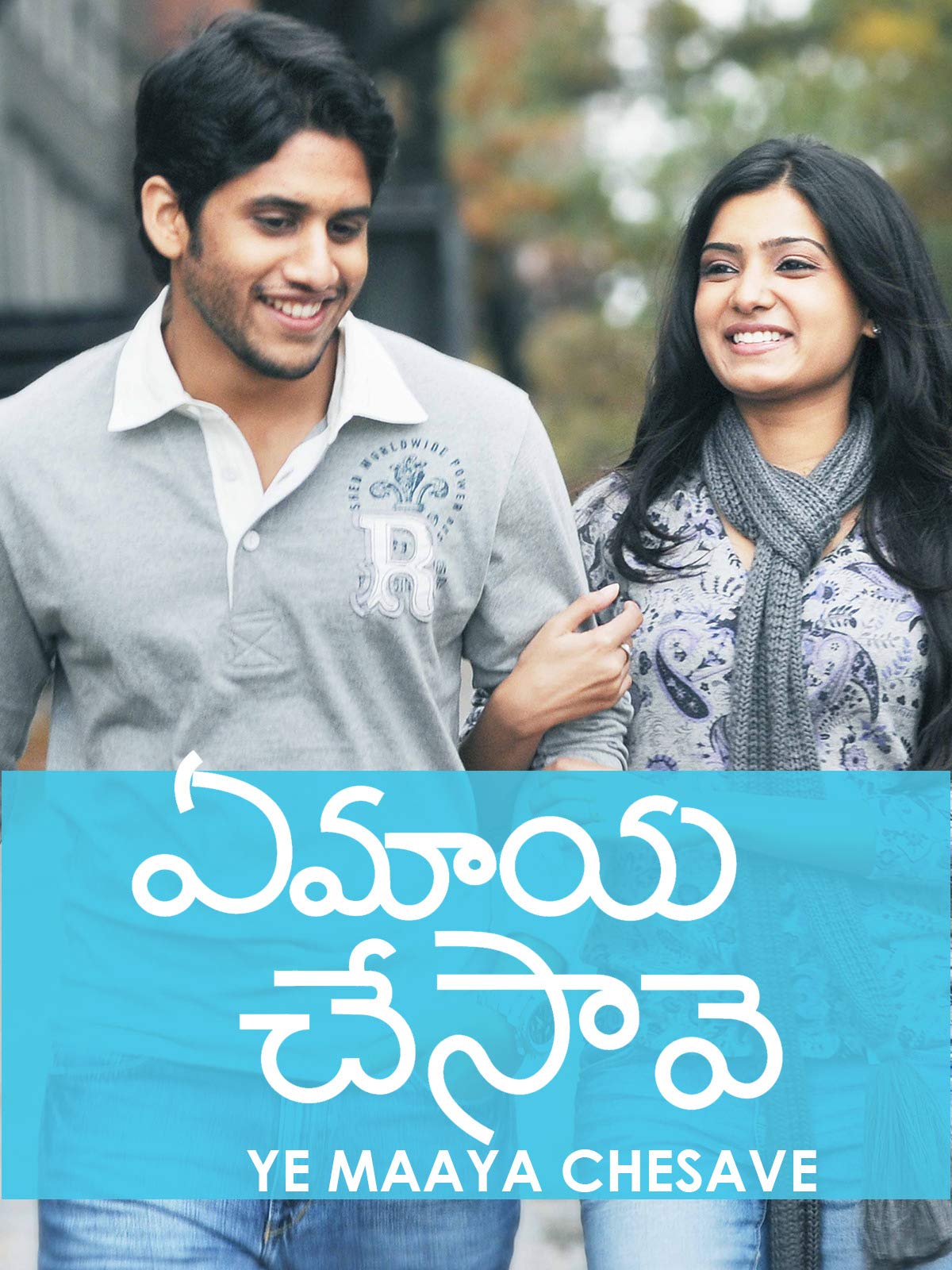
If you walked into a theater in February 2010, you probably didn't realize you were about to witness the birth of a cultural phenomenon. Honestly, at the time, Naga Chaitanya was just a newcomer trying to find his footing after a shaky debut, and Samantha Ruth Prabhu was a complete unknown. But then the first notes of A.R. Rahman’s "Hosanna" hit. Suddenly, the Ye Maaya Chesave movie wasn't just another Friday release; it was a vibe that defined a whole generation of Telugu youth.
The Mahesh Babu "What If" That Almost Happened
It’s wild to think about now, but Naga Chaitanya wasn't the first choice for Karthik. Gautham Vasudev Menon (GVM) actually wrote this script with Mahesh Babu in mind. Imagine that for a second. The "Prince" of Tollywood as the struggling assistant director?
Mahesh ultimately turned it down because he felt his fans expected high-octane action, not a soft-spoken guy pining after the girl next door. While it would’ve been interesting, it’s hard to imagine anyone else bringing that specific brand of vulnerability that Chaitanya brought. It felt real. Like, actually real.
Why Jessie Is the Most Complicated Heroine in Tollywood
Most Telugu films back then had heroines who were basically just there to look pretty and dance. Then came Jessie. Samantha’s debut was a total game-changer. She wasn't a caricature; she was a Malayali Christian girl caught between her strict family and her own confusing feelings.
One minute she’s telling Karthik to leave her alone, and the next she’s looking at him with so much longing it hurts. That "push and pull" is what made Ye Maaya Chesave movie so addictive. People didn't just watch Jessie; they argued about her. Was she being unfair to Karthik? Or was she just a girl trying not to break her father's heart? Even today, fans still debate her character on Reddit and Twitter.
The Voice Behind the Magic
A huge chunk of Jessie's charm came from Chinmayi Sripaada’s dubbing. It wasn't just the words; it was the breathy, husky tone that matched Samantha's "dusky beauty" perfectly. It’s one of those rare cases where the voice acting and the screen presence fused so perfectly that you can't imagine one without the other.
A Tale of Two Endings: Telugu vs. Tamil
Here’s a fun fact that still trips people up: the Tamil version, Vinnaithaandi Varuvaayaa (VTV), released almost simultaneously, has a completely different ending.
- The Tamil Climax: Karthik and Jessie don't end up together. It’s bittersweet, realistic, and honestly, a bit of a gut-punch.
- The Telugu Climax: They meet in New York, have a romantic confrontation in Central Park, and get married.
GVM has admitted in interviews that he preferred the sad ending. However, the Telugu producer, Manjula Ghattamaneni, insisted on a happy ending for the local audience. She felt Telugu viewers wouldn't appreciate a "love failure" story. Looking back, both versions work in their own way, but the "This is America, I can kiss you in the middle of the road!" line from the Telugu climax has become legendary.
A.R. Rahman’s Career-Best Telugu Album?
You can't talk about the Ye Maaya Chesave movie without the music. This wasn't just a soundtrack; it was a spiritual experience. Songs like "Ee Hrudayam," "Kundanapu Bomma," and "Vintunnava" weren't just hits—they were everywhere.
Rahman won his first-ever Filmfare Award for a Telugu album with this film. The way the background score weaves into the scenes where Karthik is just wandering around Kerala or staring at Jessie’s house is pure cinema. It’s the kind of music that makes you feel nostalgic for a relationship you never even had.
The GVM Touch: Aesthetic and Authenticity
Gautham Menon has a very specific style. Blue-toned frames, long takes, and characters who talk like actual human beings. He ditched the over-the-top comedy tracks and the random "item songs" that were standard in 2010.
Instead, we got:
- Conversational Dialogues: Written by Umarji Anuradha, the lines felt like things you’d actually say to someone you’re dating.
- Realistic Conflict: The religious divide wasn't handled with loud speeches, but with quiet, tense dinner table scenes.
- Visual Poetry: Manoj Paramahamsa’s cinematography made even a simple walk to the gate look like a masterpiece.
The movie cost about ₹10 crore to make—a modest budget—but it raked in roughly ₹30 crore. It wasn't just a financial hit; it was a career-defining moment for everyone involved. It’s the reason why Chaitanya and Samantha became the "it" couple for years, both on and off-screen.
How to Experience the Magic Today
If you’re planning a re-watch or seeing it for the first time, don't just treat it like a movie. Treat it like a time capsule.
- Watch the re-released 4K version: If you can find a screening, the colors and Rahman's score are next-level on a big screen.
- Listen to the lyrics: Ananta Sriram’s work on "Vintunnava" is some of the most poetic writing in modern Telugu cinema.
- Compare the versions: Watch the Tamil ending right after the Telugu one. It’ll give you a whole new perspective on Karthik’s character growth.
The Ye Maaya Chesave movie reminds us that love is messy, confusing, and often makes no sense. But more than that, it shows that when the right director, the right music, and the right cast align, you get something that stays with people for decades. If you haven't seen it lately, go back and watch that first meeting at the gate. It still hits the same.
Next Steps for the Ultimate Fan Experience: To truly appreciate the filmmaking craft, look up the "Making of Ye Maaya Chesave" interviews where GVM explains how they shot the Kerala sequences. You should also check out the official soundtrack on high-fidelity platforms to catch the subtle layers in Rahman’s arrangements that often get lost in standard streaming. Finally, if you're a completionist, watching the Hindi remake Ekk Deewana Tha provides a fascinating (if less critically acclaimed) look at how the same story translates across different regions.



