It was December 2022. A cold Thursday. Most people were gearing up for the holidays, but the internet was staring at a screen in collective, slack-jawed horror. Kanye West, now legally known as Ye, sat across from Alex Jones on Infowars. He wasn't just talking; he was wearing a black fabric mask that covered his entire head. No eyes. No mouth. Just a void. And then, he said it. He started praising Hitler.
The world stopped.
For years, fans defended Ye. They called it performance art. They called it a "bipolar episode." They said he was just "poking the bear." But when the phrase Heil Hitler Ye started trending alongside snippets of him professing his "love" for Nazis, the bridge didn't just burn. It evaporated. This wasn't a PR hiccup. It was a total cultural decoupling that changed how we view celebrity influence, mental health, and the limits of free speech in the digital age.
The Infowars Meltdown and the Rhetoric That Killed a Career
Let’s be real. Alex Jones is not exactly the gold standard for tempered discourse. Yet, even he looked visibly uncomfortable. Think about that for a second. Alex Jones, a man who has built a career on conspiracy theories, was trying to throw Ye a lifeline. He tried to pivot, suggesting that maybe Ye just liked the "aesthetic" or the "design" of the era.
Ye wouldn't take the bait.
"I like Hitler," he said. He doubled down. He talked about the "good things" he believed the dictator brought to the world, specifically mentioning highways and microphones. It was factually shaky and morally repugnant. To be clear, the "Autobahn" myth is a common talking point, but historians like Richard J. Evans have long noted that the plans for the highway system predated the Nazi party. Ye wasn't just being offensive; he was being a mouthpiece for debunked propaganda.
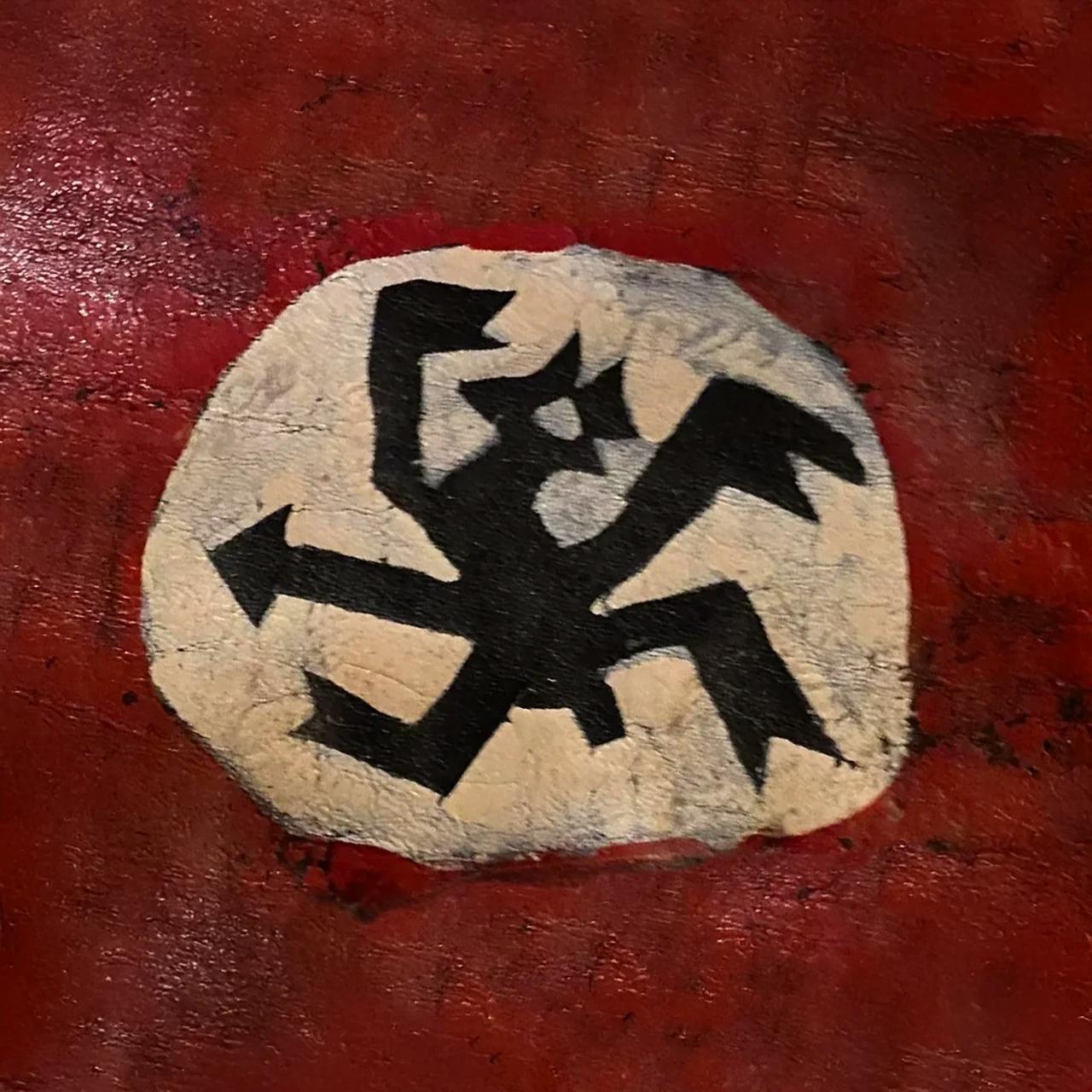
The fallout was instantaneous. Within hours, Twitter—which had only recently reinstated him—suspended his account again. Why? Because he followed up the interview by posting an image of a swastika entwined with a Star of David. It was a chaotic, rapid-fire descent into the absolute fringes of society. You’ve got to wonder what was going through his head. Was it a genuine belief system, or a man so isolated by his own ego that he thought he could "rebrand" the ultimate evil? Honestly, it felt like the latter, fueled by a dangerous lack of guardrails.
Why the Heil Hitler Ye Moment Was Different From Previous Controversies
We’ve seen Ye "cancelable" before. Remember the Taylor Swift VMA moment in 2009? Or the "Slavery was a choice" comment on TMZ? Those were huge. They were messy. But they existed within a framework of provocative art and provocative thought. People argued about them at dinner tables.
This was different.
The Heil Hitler Ye era signaled a shift into genuine antisemitic rhetoric that had real-world consequences. The Anti-Defamation League (ADL) actually tracked a rise in antisemitic incidents that directly referenced Ye’s slogans. "Ye is right" started appearing on banners over Los Angeles highways. This wasn't just a rapper saying something stupid; it was a global icon providing a soundtrack and a "cool factor" to hate groups.
- Adidas terminated their partnership immediately. This wasn't a "we'll see" situation. They walked away from billions.
- Balenciaga cut ties.
- Gap pulled Yeezy Gap products from shelves.
- The vultures, or rather the corporate lawyers, began the long process of disentangling one of the most successful fashion lines in history.
The sheer speed of the collapse was dizzying. One week he’s a billionaire. The next, he’s a pariah. It’s a stark reminder that in the modern economy, your "brand" is only as strong as your social contract with the public. When you break the ultimate taboo, the money doesn't just slow down. It stops.
The Mental Health Variable: Context, Not an Excuse
It’s impossible to talk about this without mentioning Ye’s public battle with bipolar disorder. He’s been open about it. He’s also been open about his refusal to take medication, calling it a tool for "control."
Psychiatrists who follow public figures, like those often cited in Psychology Today, note that manic episodes can lead to hypergraphia, grandiosity, and a total loss of impulse control. Does that excuse the antisemitism? No. Hate is a learned behavior or a conscious choice. But does it explain the frantic, non-stop nature of the Heil Hitler Ye cycle? Probably.
There’s a nuance here that gets lost in the "cancel culture" noise. You can have empathy for someone’s mental struggles while still holding them accountable for the harm their words cause. The problem is that Ye’s platform was so massive that his "episodes" weren't just personal tragedies; they became public safety concerns.
The Economic Suicide of a Fashion Mogul
Let's talk numbers. This is where it gets really crazy. Before the 2022 meltdown, Ye’s net worth was estimated by Forbes at around $2 billion. Most of that was tied up in the Adidas deal.
The day after the "Heil Hitler" sentiment became the centerpiece of his public persona, Adidas ended the relationship. Just like that, his net worth plummeted to an estimated $400 million. He lost $1.5 billion in 24 hours. That has to be a record. It wasn't just a loss for him, though. Adidas was left with over $1 billion worth of unsold Yeezy sneakers. They eventually decided to sell them and donate a portion of the proceeds to organizations like the ADL and the Philonise & Keeta Floyd Institute for Social Change.
It was a logistical nightmare. It was a moral quagmire. It showed that even the biggest corporations have a "red line" they won't cross, even if it costs them their quarterly earnings.
Is There a Way Back for Ye?
Historically, celebrities have come back from almost anything. Mel Gibson. Robert Downey Jr. But Ye seems intent on not coming back. Or rather, he wants to come back on his own terms without apologizing.
Since the Heil Hitler Ye controversy, he’s released music independently. Vultures 1 and 2 saw some chart success, mainly because he still has a hardcore fan base that separates the art from the artist. But the mainstream? The Grammys? The major festivals? They’re gone. He’s playing shows in places like China and Russia, far away from the American media apparatus that once worshipped him.
He’s become a nomad. A man without a corporate country.
The Lasting Impact on Public Discourse
The biggest takeaway from this whole mess isn't about one man. It's about the fragility of our information ecosystem. When a figure with 30 million followers starts spouting Nazi talking points, the algorithms struggle to keep up.
It forced platforms like X (formerly Twitter) and Instagram to rethink their "free speech" policies. It forced fans to ask themselves: "At what point is the music not enough?" For a lot of people, that point was the Infowars interview. You can't unhear a man praising a genocidal dictator while wearing a gimp mask. It’s an image burned into the collective consciousness of the 2020s.
What to watch for moving forward:
- The Yeezy Independent Era: Watch how he manages his supply chain without Adidas. Can he actually produce and ship at scale? So far, the results are mixed.
- The Legal Battles: There are still ongoing lawsuits from former employees regarding the environment at Donda Academy and his Yeezy offices during the 2022 outbursts.
- The "Apology" Cycle: Ye has issued "apologies" in Hebrew on Instagram before, but they are often followed by more erratic behavior. Don't expect a traditional redemption arc.
Actionable Steps for Navigating Celebrity Contradictions
When a public figure you admire enters a spiral like the Heil Hitler Ye situation, it’s confusing. Here’s how to handle it without losing your mind.
First, separate the utility from the idol. If you like the shoes, wear the shoes. They’re objects. But stop looking to the creator for moral or political guidance. We often mistake creative genius for general wisdom. They are not the same thing.
Second, check your sources. When Ye makes claims about history (like the microphone thing), look it up. Use reputable historical archives. Don't let a catchy headline or a viral clip replace actual reading.
Third, support the victims of the rhetoric. If you’re bothered by the rise in antisemitism, consider donating to or volunteering with organizations that fight hate speech. Action is a better antidote than "doomscrolling."
Finally, recognize the pattern. This wasn't an isolated event. It was a crescendo. By understanding the timeline—from the "White Lives Matter" shirts at Paris Fashion Week to the Infowars seat—you can see the warning signs of a brand in collapse. It’s a masterclass in how to lose everything by refusing to listen to anyone but yourself.
The story of Ye isn't over, but the version of him that was a beloved, untouchable pillar of pop culture is dead. It died on a podcast, behind a mask, with a few words that no amount of "genius" can ever truly erase.