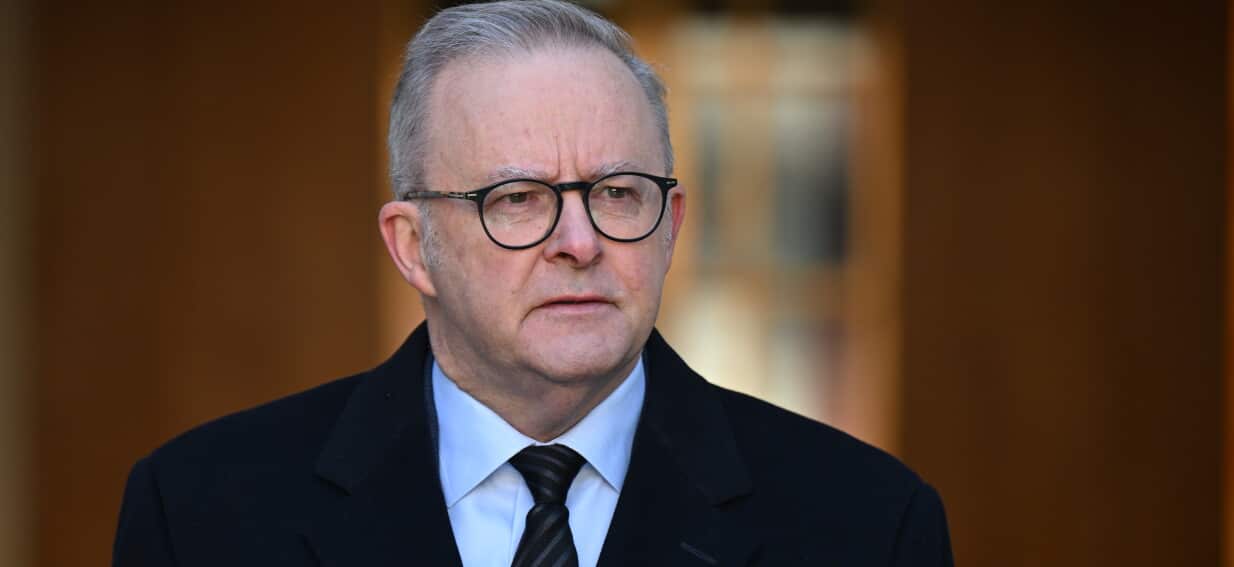
When a Volkswagen Golf detonated in the quiet Moscow suburb of Balashikha on the morning of April 25, 2025, it didn’t just kill a man. It blew a hole right through the center of the Russian General Staff’s operational planning. Lt Gen Yaroslav Moskalik was not a household name for those scrolling through casual news feeds in the West, but in the halls of the Kremlin, he was basically the architect of the daily grind in Ukraine.
He was 58. A career soldier.
Honestly, the timing was almost cinematic—or tragic, depending on who you ask. The blast happened just as a U.S. envoy was landing in Moscow to talk peace. It sent a message that even the highest-ranking officers weren't safe in their own backyards.
Who Was Lt Gen Yaroslav Moskalik?
To understand why this hit was such a big deal, you’ve got to look at his resume. Moskalik wasn't some frontline commander shouting orders into a radio in a muddy trench. He was the Deputy Chief of the Main Operations Directorate of the General Staff.
Think of that office as the "brain" of the Russian military.
He started his journey back in 1983. He graduated from the Far Eastern Higher Combined Arms Command School in '87 and just kept climbing. By 2021, Vladimir Putin personally promoted him to Lieutenant General.
He had his hands in everything.
- The Minsk Agreements: He was there in 2015, sitting across from Ukrainian negotiators in Paris.
- Syria: He served as a spokesman and strategist during Russia's intervention there.
- The Ukraine War: He prepared the daily "situational reports" that landed on Putin’s desk every single morning.
Basically, if the Russian military was doing something, Moskalik likely helped draw the map for it. He lived in a residential block on Nesterov Boulevard, a place where high-ranking officials usually feel untouchable.
The Day of the Assassination
It was roughly 10:40 AM.
Moskalik was walking past a parked car when the IED went off. It wasn't just a simple bomb; investigators found it was packed with "destructive elements"—shrapnel designed to shred anything nearby. The footage from Izvestia showed a massive fireball.
The car itself, that Volkswagen Golf, didn't even belong to him. He usually drove a Skoda Kodiaq. This suggests the attackers knew exactly where he walked and when.
The Russian Investigative Committee jumped on it immediately. They called it a "terrorist act." Within 24 hours, the FSB claimed they had a suspect: a 42-year-old named Ihnat Kuzin, allegedly a Ukrainian agent.
Why the Main Operations Directorate Matters
People often focus on the flashy units, the Spetsnaz or the Wagner Group. But the Main Operations Directorate is where the actual war is managed. They handle the "duty watch" of combat control.
When Moskalik was killed, the Russian military lost decades of institutional memory regarding the Normandy Format and the inner workings of the Minsk agreements. He knew the Ukrainian side better than almost anyone else in the room. He wasn't just a general; he was a bridge to a previous era of diplomacy that had long since burned down.
What Most People Get Wrong About the Hit
Some think these assassinations are just about revenge. It's more complicated.
Ukraine's President Zelenskyy eventually alluded to the operation, mentioning that the Foreign Intelligence Service had "eliminated individuals from the senior command."
If you're trying to win a war of attrition, you don't just target tanks. You target the people who know how to replace those tanks. You target the people who write the reports that tell the leader the war is going well.
By taking out Moskalik, the Ukrainian SBU (or whoever was truly behind the trigger) created a vacuum. Every other general in Moscow now looks at a parked car with a little more suspicion. That psychological toll is massive.
The Lingering Impact on Russian Command
Moskalik’s death followed a string of other high-profile hits inside Russia, including the scooter bomb that killed Igor Kirillov. It shows a persistent gap in Russian domestic security.
Putin himself admitted to "serious blunders" by his security agencies after previous hits. Yet, here we are. A top-three general in the Operations Directorate gets vaporized while walking home.
It makes you wonder about the internal stability of the General Staff.
If you can't protect the man who briefs the President, who can you protect?
Actionable Insights for Following This Conflict
Watching the fallout of the Lt Gen Yaroslav Moskalik assassination requires looking past the headlines.
- Monitor the General Staff reshuffle: Look for who takes over his role in the Main Operations Directorate. The background of his successor will tell you if Russia is pivoting to a more aggressive or more defensive stance.
- Watch Balashikha and Moscow Suburbs: Security in these "elite" zones is likely tightening. Increased domestic crackdowns usually follow these events.
- Cross-reference with Peace Talks: The timing with the U.S. envoy's visit wasn't accidental. In this world, the "deep state" of both sides uses these moments to gain leverage or sabotage negotiations they don't like.
Keep an eye on the "partisan" channels on Telegram. That's usually where the first whispers of the next target show up long before the official news agencies pick them up.