Nineteen men died in a box canyon on a Sunday afternoon. That is the blunt, horrific reality of the Yarnell Hill Fire. Even now, years later, the sheer weight of that sentence doesn't get any lighter. It remains the deadliest day for American firefighters since the 9/11 attacks, and if you talk to anyone in the wildland firefighting community, the wounds are still pretty raw.
Honestly, the tragedy is often oversimplified. People see the movie Only the Brave or read a quick headline and think they've got the story figured out. A freak wind shift, a wall of fire, and a desperate deployment of silver fire shelters. But the truth is way more tangled than that. It’s a story of "human factors," radio silence, and a series of decisions that even the most official investigations can't quite explain.
Why the Yarnell Hill Fire Still Haunts Arizona
To understand what happened, you have to look at the landscape. Yarnell is a small town tucked into the Weaver Mountains, surrounded by thick, oily chaparral that hadn't burned in nearly half a century. It was a powder keg. On June 28, 2013, a single bolt of "dry lightning" hit a ridge. For two days, the fire was small. It felt manageable.
Then came June 30.
The heat was oppressive—100°F at the nearby airport. Humidity dropped to 10%. By late afternoon, a massive thunderstorm to the north started collapsing. When a storm collapses, it doesn't just go away; it pushes out a massive "outflow boundary"—a wall of wind that can flip a fire's direction in seconds.
The Mystery of the "Black"
The Granite Mountain Hotshots were the elite. They weren't rookies. For most of that afternoon, they were safely "in the black"—an area already burned where the fire couldn't touch them. If they had stayed there, they’d be alive today. Basically everyone agrees on that.
But for reasons that died with them, they left the safety of the ridge.
They descended into a basin filled with unburned brush. They were moving toward the Boulder Springs Ranch, likely thinking they could help defend the town or re-engage the fire from a better position. They were only 600 yards from the ranch when the wind shifted. The fire, now a 2,000-degree wall of flame, began moving at 12 miles per hour.
You can’t outrun that. Not in that terrain.
The Lone Survivor and the "Bias for Action"
Brendan McDonough was the crew’s lookout that day. He’s the only one who made it out, and his story is a gut-wrenching look at survivor’s guilt. He had been posted on a separate ridge to watch the fire's movement. When the weather turned, he had to be picked up by another crew just before his position was overrun.
He heard the radio traffic. He heard the calm voices of his brothers turn into a frantic report of deployment.
There's a lot of talk in the firefighting world about "bias for action." These guys are trained to save things. They are trained to engage. Critics of the official report—which was released in late 2013—argue it was too soft. It didn't find "negligence," but it did note that communications were a mess. Radios weren't programmed right. Nobody in the command center actually knew where the crew was for about 30 minutes.
That 30-minute gap is where the tragedy lives.
- The Names We Remember: Eric Marsh, Jesse Steed, Clayton Whitted, Robert Caldwell, Travis Carter, Travis Turbyfill, Christopher MacKenzie, Andrew Ashcraft, Joe Thurston, Wade Parker, Anthony Rose, Garret Zuppiger, Scott Norris, Dustin DeFord, William Warneke, Kevin Woyjeck, John Percin Jr., Sean Misner, and Grant McKee.
Lessons That Changed Everything (Or Didn't)
You’d think a disaster this big would rewrite the rulebook overnight. It did, sort of. The Yarnell Hill Fire forced the industry to look at GPS tracking for crews. It sparked massive debates about whether we should even be sending people to defend houses in "chaparral box canyons" during extreme weather.
But the landscape hasn't changed. The West is still getting drier. The "Wildland-Urban Interface" (WUI)—where houses meet the forest—is only growing.
What the Memorial Tells Us Today
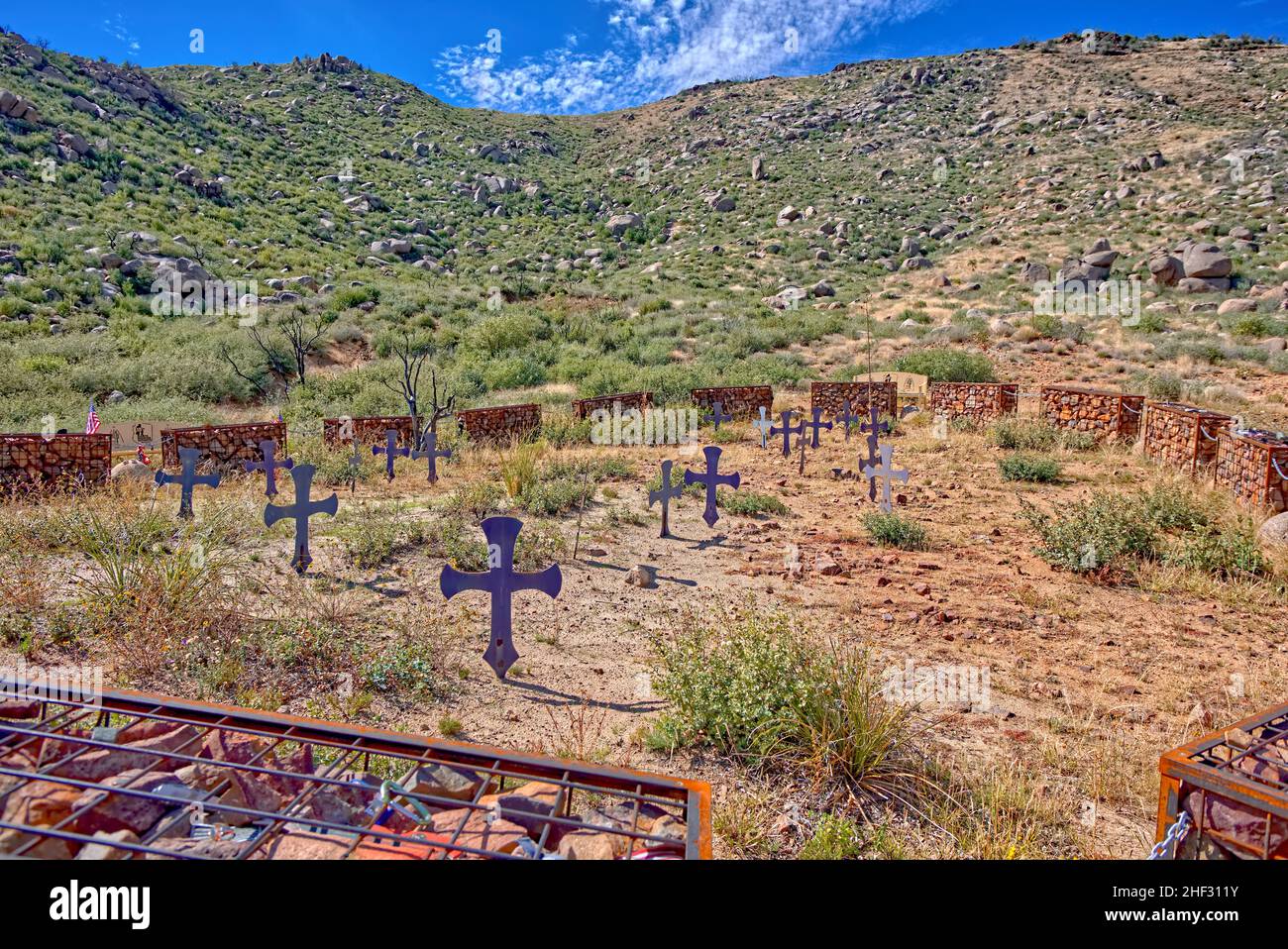
If you visit the Granite Mountain Hotshots Memorial State Park today, you’ll find a 7-mile round-trip hike. It’s not an easy walk. It’s steep, rocky, and exposed. As you hike, there are plaques for each of the 19 men. When you finally reach the "Fatality Site," there are 19 gabions (rock-filled wire cages) linked by a chain.
It's quiet there.
Visitors often leave patches, coins, or photos. It’s a place of deep reverence, but also a reminder of the physical reality of the fire. You can see how the geography trapped them. You can see how the "box" in box canyon isn't just a metaphor.
Moving Forward: Actionable Insights for the Future
We can’t change what happened on that ridge, but the legacy of the Yarnell Hill Fire is found in how we live with fire now. If you live in a fire-prone area like Arizona or California, "thoughts and prayers" don't cut it.
- Audit Your Space: Check your "Defensible Space." If you have brush touching your eaves, you're a liability to the people trying to save your house.
- Support Mental Health: Brendan McDonough has been very vocal about PTSD. Supporting organizations like the Wildland Firefighter Foundation helps the families and survivors who are still dealing with the aftermath of these calls.
- Stay Informed on Weather: Understand what an "outflow boundary" is. If you're hiking or camping and a storm collapses nearby, the wind at the ground level can change violently.
- Visit the Learning Center: The Tribute Center in Prescott isn't just a museum; it’s a classroom. Go there to understand the science of fire, not just the tragedy of it.
The biggest mistake we can make is treating the Yarnell Hill Fire as a freak accident that could never happen again. It was a combination of extreme weather, tricky terrain, and the very human desire to do something rather than nothing. As long as we keep building in the brush and the climate keeps swinging toward extremes, those risks remain. Honor the 19 by respecting the fire they fought.