Honestly, if you look at the Yankee Hotel Foxtrot tracklist on paper, it shouldn’t work. It’s a mess of contradictions. You’ve got these hyper-aggressive static bursts sitting right next to the kind of breezy, AM-radio pop that your dad would whistle while mowing the lawn. It is an album that was famously rejected by its own label for being "uncommercial," yet it basically became the blueprint for every indie rock record of the last twenty years.
The story of how Wilco made this thing is legendary—label drama, lineup changes, and the sheer weirdness of it coming out right around 9/11—but the music itself is what keeps people coming back. It’s not just a collection of songs; it’s a specific sequence that feels like a transmission from a station you can’t quite tune in.
The Track-by-Track Breakdown
Most people remember the "hits," but the way these songs flow into one another is where the real magic happens.
- I Am Trying to Break Your Heart – This is the ultimate "check your volume" opener. It starts with seven minutes of deconstructed percussion and bells. Jeff Tweedy’s vocals sound like he’s mumbling from the bottom of a well. It’s a bold choice to lead with a song that feels like it’s falling apart.
- Radio Cure – If the first track is a panic attack, this is the comedown. It’s sparse. It’s slow. The line "Distance has no way of making love understandable" is probably one of the most quoted lyrics in the band's history.
- Kamera – This is where the record starts to feel like a "normal" rock album again. It’s got a steady beat and a catchy melody, but if you listen closely, there’s still this weird layer of static and toy-like percussion humming underneath.
- War on War – This song is a bit of a trick. It sounds like a sunny, upbeat anthem, but the lyrics are dark as hell ("You have to lose, you have to learn how to die"). By the end, the guitars start to feedback into a digital mess.
- Jesus, Etc. – This is the one. The strings are gorgeous. The melody is perfect. It’s the song that everyone knows, even if they don't know Wilco. It became an accidental anthem for New Yorkers after 9/11 because of the "tall buildings shake" line, even though it was written months before the attacks.
- Ashes of American Flags – A slow-burner that feels like driving through a dying town at 3:00 AM. It’s the heart of the album's obsession with American decay and loneliness.
- Heavy Metal Drummer – After all that heaviness, we get a nostalgic burst of pure pop. It’s about being "beautiful and stoned" at a Kiss cover band show. It’s the light at the end of a very dark tunnel.
- I’m the Man Who Loves You – This track features one of the most unhinged guitar solos ever recorded. It sounds like a car engine trying to turn over in the cold. It’s a love song that’s messy and loud.
- Pot Kettle Black – A punchy, guitar-driven track that addresses the internal friction within the band. It’s one of the more straightforward rockers on the list.
- Poor Places – This is where the "Yankee Hotel Foxtrot" name finally appears. The song builds into a massive wall of noise, and a female voice starts repeating the phonetic code: "Yankee... Hotel... Foxtrot." It’s incredibly eerie.
- Reservations – The final track is seven minutes of piano and silence. It’s the sound of someone finally giving up and finding peace.
Why the Order Actually Matters
You can’t just shuffle this album. If you put "Heavy Metal Drummer" at the beginning, the whole vibe is ruined. The record is built on the idea of tension and release. It pushes you away with noise and then pulls you back in with a beautiful melody.
Jim O’Rourke, who mixed the album, is the secret weapon here. He took the recordings—which were a chaotic mix of hundreds of tracks—and carved out a space where the experimental stuff didn't drown out the songwriting. He made the "weirdness" feel like a legitimate instrument.
The production was notoriously difficult. Jay Bennett, the multi-instrumentalist who was basically the co-architect of the sound, was fired right after the sessions wrapped. You can see the tension in the documentary I Am Trying to Break Your Heart. They were fighting over things as small as the length of a pause between notes. It was a high-stakes environment, and you can hear that stress in the tracks.
The 20th Anniversary Context
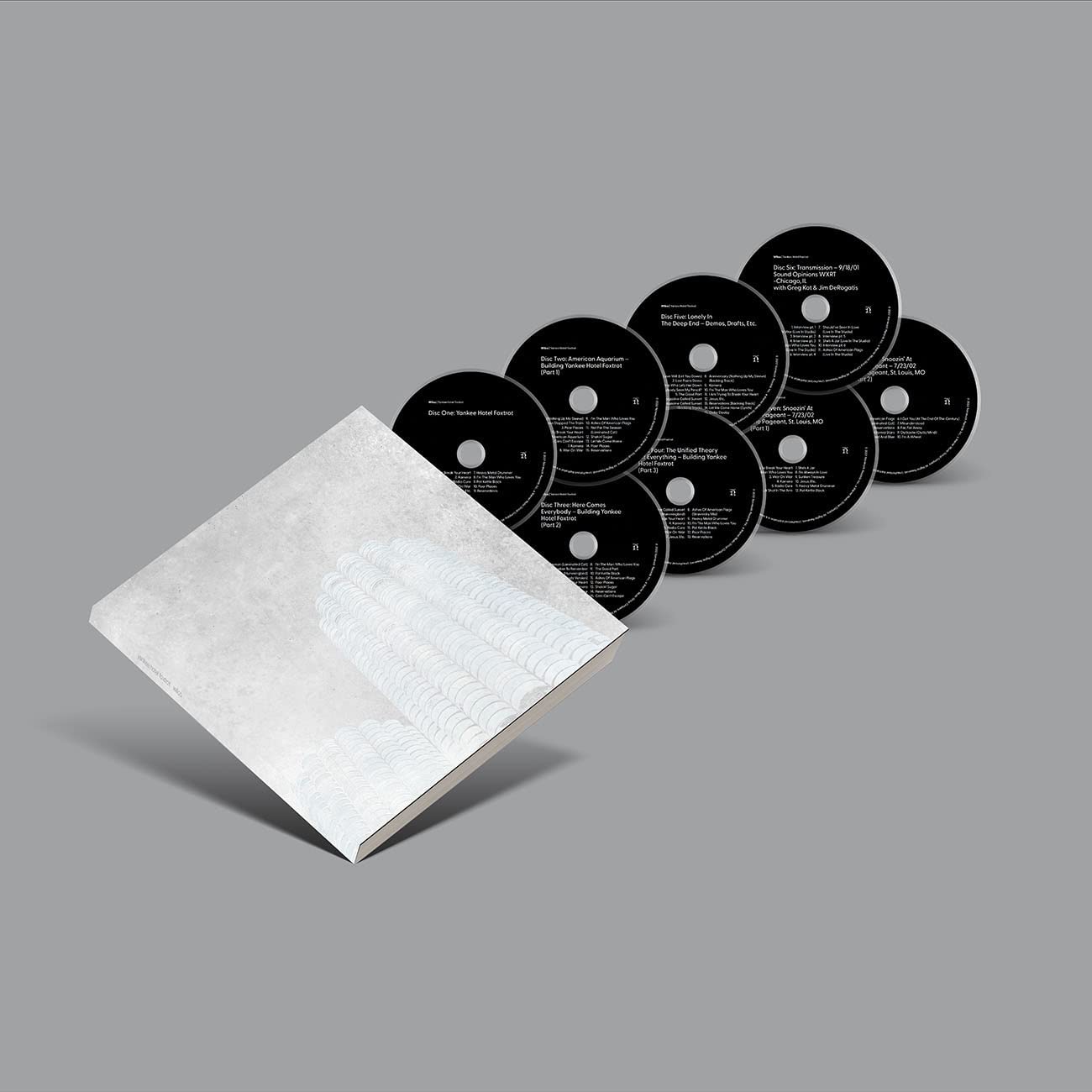
If you really want to get into the weeds, the 20th Anniversary Super Deluxe edition released a few years back is a goldmine. It includes dozens of alternate takes and demos from three different versions of the album: American Aquarium, Here Comes Everybody, and The Unified Theory of Everything.
Hearing the early, "straighter" versions of these songs makes you realize how much work went into breaking them. "I Am Trying to Break Your Heart" used to be a much more conventional rock song before they stripped it down and rebuilt it with all that clattering percussion. It shows that the "chaotic" sound wasn't an accident—it was a very deliberate choice.
Actionable Tips for Listening
If you’re new to the record or just revisiting it, here’s how to actually experience the Yankee Hotel Foxtrot tracklist for maximum impact:
- Listen on Headphones: This is a "headphone album" if there ever was one. There are tiny sounds—clicks, hums, and whispers—buried in the left and right channels that you’ll miss on a Bluetooth speaker.
- Don't Skip the Outros: The long, noisy endings to songs like "Poor Places" and "I Am Trying to Break Your Heart" aren't filler. They are the "connective tissue" that makes the transition to the next track work.
- Watch the Movie: If you have 90 minutes, watch I Am Trying to Break Your Heart: A Film About Wilco. It gives the tracklist a whole new meaning when you see the actual physical toll it took on the band to get these songs right.
- Compare the Demos: If you have Spotify or Apple Music, look up the "American Aquarium" version of "Ashes of American Flags." It’s fascinating to hear how a song can change from a simple country tune into a sprawling art-rock masterpiece.
This album isn't just a list of songs; it’s a specific moment in time when a band decided to risk their entire career just to sound like themselves. Whether you love the noise or just stay for the choruses, there’s no denying it’s one of the most cohesive "messes" ever put to tape.



