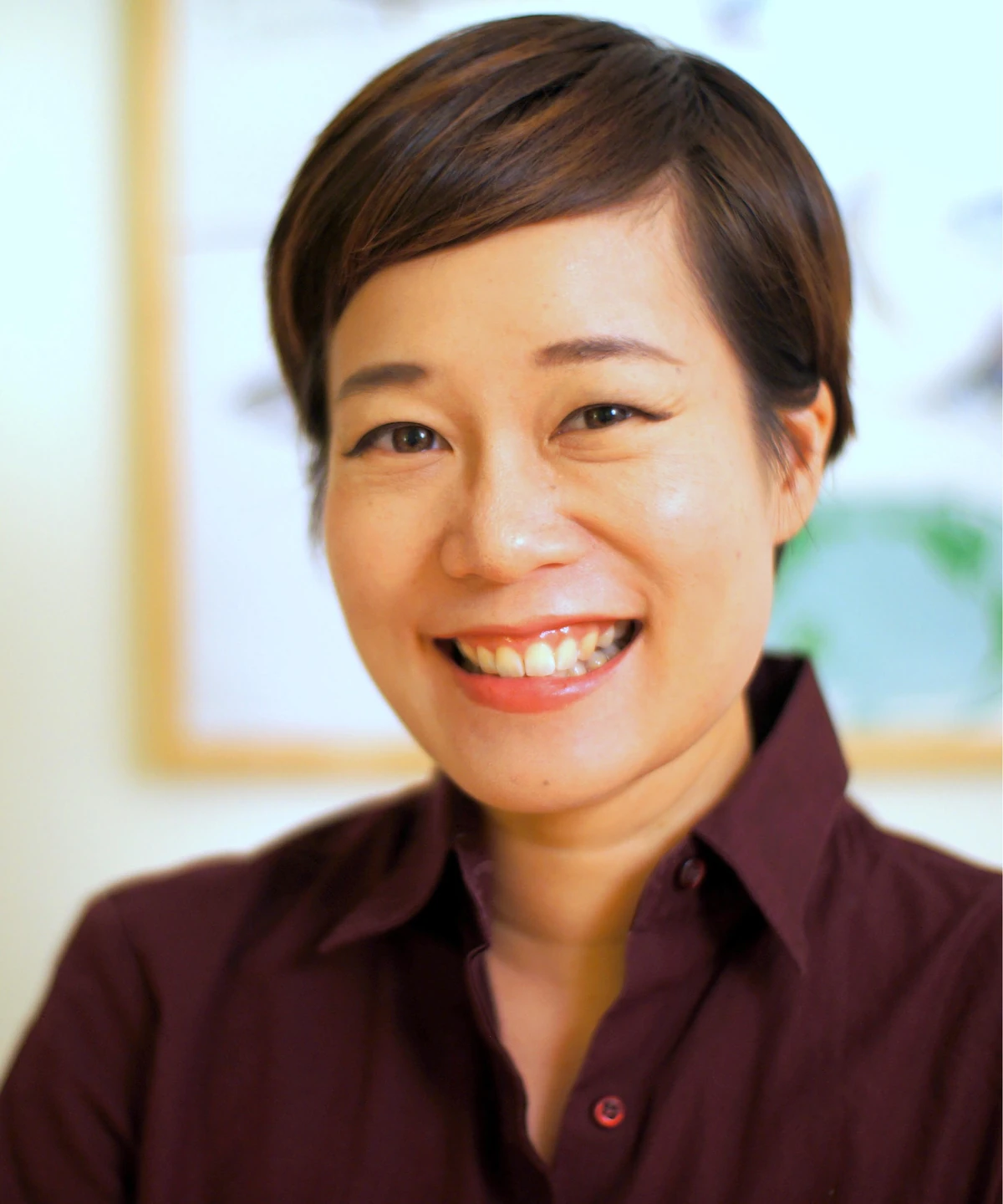
You've probably heard the term "ghost marriage" and thought it sounded like something straight out of a Tim Burton fever dream. But in 1890s Malaya, it was a very real, albeit rare, custom that carried a weight most of us can’t imagine. Yangsze Choo the Ghost Bride takes this unsettling historical footnote and turns it into a lush, trippy journey through the Chinese afterlife that honestly feels more like a fever dream than a history lesson.
The book follows Li Lan, a seventeen-year-old girl whose family has seen better days. Her dad is an opium addict, their money is gone, and her future looks pretty bleak. Then comes a proposal from the wealthy Lim family. They want her to marry their son. The catch? He’s dead.
What Most People Get Wrong About the Ghost Marriage Tradition
Most readers approach Yangsze Choo the Ghost Bride thinking the "ghost bride" part is just a spooky metaphor. It isn't. In the context of 19th-century Malacca, a spirit marriage (or guihun) served a very practical, if macabre, purpose.
When a young man died before he could marry, his family often felt his soul would be restless. Worse, he’d have no descendants to burn incense for him. By marrying him to a living woman—or sometimes another deceased woman—the family "settled" his spirit. For a living woman like Li Lan, accepting this meant a life of security but also a life of "widowhood" to a man she never really knew.
Choo didn't just make this up for the plot. She actually grew up hearing these stories in Malaysia. She once mentioned in an interview that she read a newspaper clipping about a ghost marriage that stayed with her for years. It’s that tether to reality that makes the supernatural elements feel so grounded. You’re not just reading about monsters; you’re reading about a girl trying to negotiate her way out of a legal contract with a corpse.
The Afterlife is Basically Just a Giant Bureaucracy
One of the most fascinating parts of Yangsze Choo the Ghost Bride is how it depicts the "Plains of the Dead." Forget the fire and brimstone of Western hell. Choo’s version of the afterlife is a sprawling, paper-thin reflection of the living world, complete with corrupt officials and endless paperwork.
Basically, if your relatives burn a paper house for you in the real world, you get a house in the afterlife. If they burn paper money, you’re rich.
Li Lan ends up in this world as a wandering spirit after a botched attempt to ward off her persistent dead suitor, Lim Tian Ching. This guy is the worst. He’s spoiled, entitled, and convinced that because his family is rich, he can buy a wife even from beyond the grave.
While wandering the Plains, Li Lan meets Er Lang. He’s a mysterious official—sort of a celestial investigator—who is looking into corruption in the courts of hell. Their dynamic is great because it pulls the story away from being a standard gothic romance and turns it into a supernatural detective noir.
Key Elements of Choo’s Afterlife:
- The Plains of the Dead: A transit zone where spirits wait for judgment or reincarnation.
- Paper Offerings: Everything in the spirit world is made of the "smoke" of burnt offerings. If a paper servant is burnt badly, the spirit gets a limp or a missing limb.
- The Courts of Hell: A massive bureaucratic machine where your life’s deeds are weighed by judges who might just be taking bribes.
Why the Netflix Adaptation Changed the Game
When Netflix turned Yangsze Choo the Ghost Bride into a six-episode series in 2020, they leaned heavily into the "soapy" drama. They filmed it in the "Blue Mansion" in Penang, which is a stunning historical site that perfectly captures the Peranakan (Straits Chinese) aesthetic of the era.
There’s a wild coincidence here: Choo based the Lim family mansion in the book on a decaying house she saw as a child. She never told the show’s creators which house it was, yet they ended up filming at that exact location. It’s almost like the story wanted to go home.
The show makes some changes, though. In the book, the romance is much more subtle and internal. The series ramps up the love triangle between Li Lan, the dependable Tian Bai, and the chaotic Er Lang. It also leans harder into the "murder mystery" aspect of how Lim Tian Ching actually died. Was he poisoned? Was it an accident? The stakes feel much more immediate when there’s a ticking clock on Li Lan’s soul returning to her body.
The Reality of Being a Woman in 1890s Malacca
Strip away the ghosts and the dragons, and Yangsze Choo the Ghost Bride is really a story about agency.
For a woman in Li Lan’s position, marriage was the only "career" available. Without it, she was a burden. The Lim family’s offer was offensive, but it was also a lifeline. Choo captures that "genteel poverty" perfectly—the way you have to keep up appearances even when you're selling the furniture to buy food.
Li Lan’s choice at the end of the book (no spoilers, but it’s a bold one) is a complete rejection of the traditional paths laid out for her. She doesn't just choose a man; she chooses a way of existing that defies the boundaries of her society.
How to Dive Deeper Into This World
If you’ve finished the book or the show and want more, you shouldn't just stop there. Choo’s second book, The Night Tiger, explores similar themes of Malaysian folklore and colonial history but swaps ghost marriages for weretigers and severed fingers.
To really appreciate the "why" behind the story, look into the history of the Peranakan people. Their culture is a unique blend of Chinese, Malay, and Indonesian influences, which is why the food, clothing, and even the ghosts in the book feel so distinct from standard "Chinese" folklore.
Your Next Steps:
- Read the Author’s Note: Choo includes a detailed section at the end of the novel explaining the specific myths she used. Don't skip it; it’s where the real history hides.
- Watch the Series in Original Audio: If you watch the Netflix version, try it with the original Mandarin/Hokkien/Malay audio track and subtitles. The "British Dub" loses a lot of the cultural flavor.
- Explore Malacca's History: Look up the "Straits Settlements." Understanding the weird mix of British colonial rule and Chinese tradition makes Li Lan’s world make a lot more sense.
The story of the ghost bride works because it taps into a universal fear: the idea that we don't belong to ourselves. Whether it's our parents' expectations or a literal ghost trying to drag us into the underworld, we're all just trying to find a way to live our own lives.



