We keep our myths in museums. That is our first mistake.
We treat antiquity like stained glass behind velvet ropes—fragile, distant, and completely disconnected from the messy friction of a Tuesday morning commute. We imagine people who lived three thousand years ago experienced grief in marble halls, wearing clean white linens, speaking in measured, poetic cadence. But grief does not care about epochs. Rage has no preferred century. When a heart shatters in modern Toronto, it sounds identical to the way it shattered in ancient Thebes.
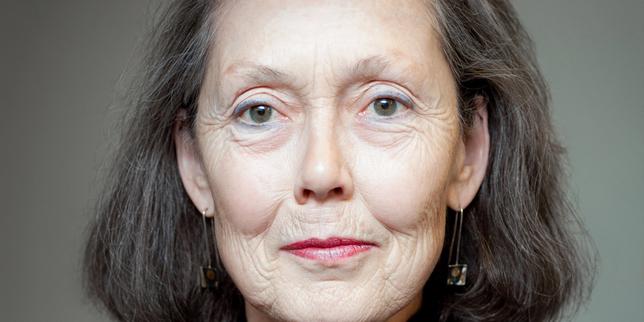
Anne Carson understood this long before the rest of us caught up.
She did not approach ancient Greek literature as an academic preserving dust. She approached it as a mechanic tearing down an engine, covered in grease, looking for the exact gear that failed. When she translated the fragments of Sappho, or when she rewrote the tragedies of Euripides and Sophocles, she did nothing polite. She welded ancient syntax to modern idioms. She put Herakles in a suburban backyard. She let mortal desperation breathe through contemporary lungs.
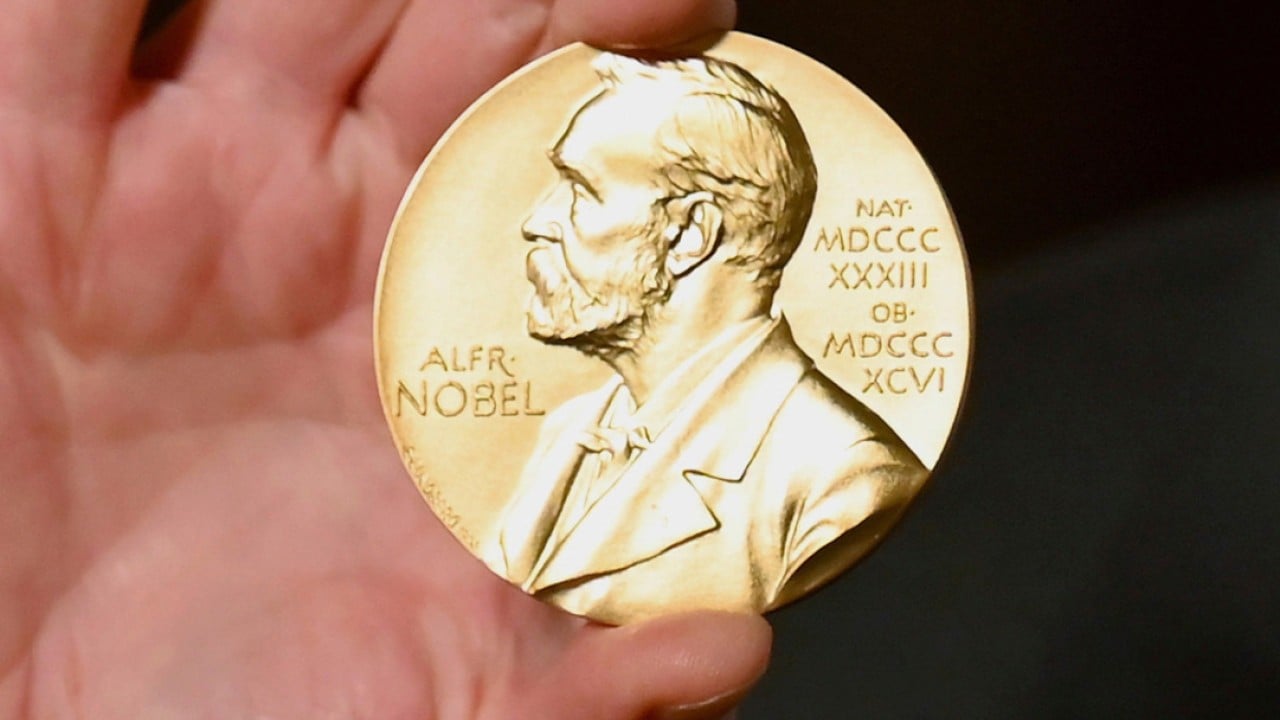
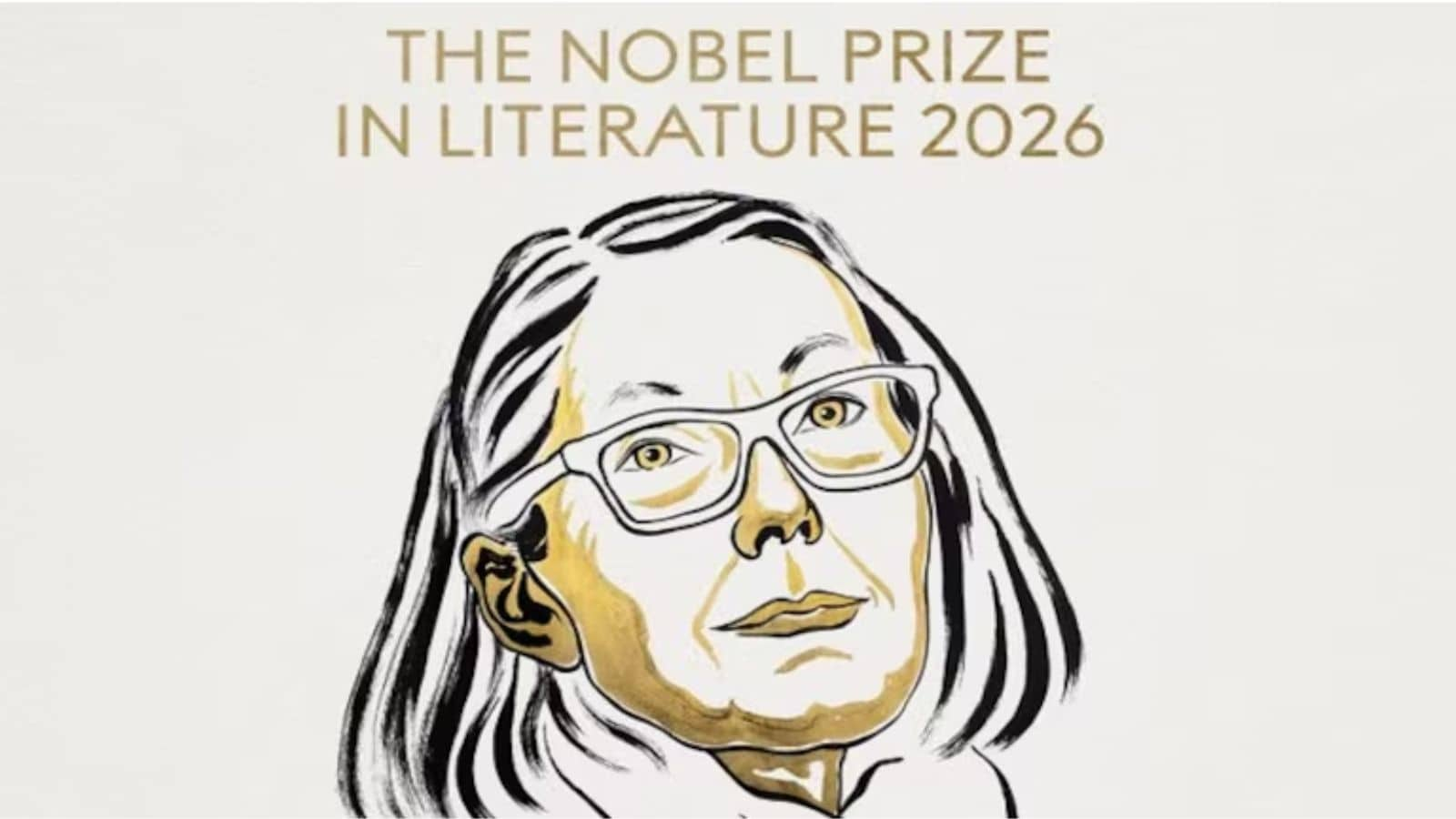
And now, the Nobel Prize has caught up to what readers have known in their bones for decades.
Consider the sheer audacity of what it takes to look at a heap of papyrus scraps—charred, torn, missing entire verbs—and find a pulse beating beneath the decay. Most classical scholars approach these texts with the hushed reverence of a priest handling relics. Carson approaches them like an archaeologist who brought dynamite. She leaves the blanks blank. She honors the silence of the missing words instead of pretending she knows what the ancients whispered into the dark.
Walk into a quiet room and try to remember the last time you felt entirely untmoored by loss. Not sad. Not inconvenienced. Unmoored. The floor dropping away beneath your chair. That is where Carson works.
In Autobiography of Red, she took a minor mythological monster—Geryon, a red-winged creature killed by Herakles—and turned him into a modern photographer struggling with first love, awkward family dynamics, and the staggering weight of inadequacy. There are no grand marble columns in that book. There is only a red car, a rented room, a cold kitchen, and the terrible, ordinary agony of wanting someone who is looking away.
This is why her work resonates so fiercely. She strips away the mythology until only the naked human nerve remains exposed to the air.
We live in an era obsessed with clean narratives. We want our stories neatly resolved, our trauma processed within three business days, our tragedies gift-wrapped with a lesson attached. Carson refuses this comfort. She insists that life is jagged, contradictory, and stubbornly resistant to neat summaries. She reminds us that the people who watched the ships sail toward Troy were just as confused, terrified, and fiercely alive as we are scrolling through breaking news on our phones tonight.
When you read her verse novel Eros the Bittersweet, you realize that desire has always been a paradox. It is sweet and it is cruel. It is the thing that saves us and the thing that ruins us, often in the exact same hour. The Greeks had a word for this—glykypikron—sweet-bitter. Carson does not translate that word away. She lets it sting.
Language is a fragile bridge we build across an abyss, hoping it will hold our weight while we try to explain to someone else what it feels like to be inside our own skin. Most writers use heavy timbers. Carson uses glass wire. It bends under pressure. It catches the light in ways you did not expect. Sometimes, it cuts.
Think about the quiet moments that define a life. Not the graduation speeches or the wedding days, but the Tuesday afternoon when you realize a friendship has quietly expired, or the sound of rain hitting a windowpane while you wait for test results. Those are the moments Carson maps. She takes the monumental scale of Greek tragedy and shrinks it down until it fits inside the cramped passenger seat of a car idling in traffic.
We needed a poet who refused to let the past stay safely buried. We needed someone to tear open the sarcophagus, let the dry air rush out, and prove to us that the skeleton inside has our own face.
The Nobel committee handed her a gold medal and a place in history. But the real prize was already claimed years ago, in the quiet rooms of readers who found themselves weeping over lines written two millennia apart, stitched together by a Canadian classicist who knew that humans never really change at all.
The gods are gone. The temples are dust. But the hunger is still here.